Our Approach: The Science of Movement and Recovery
We believe in training smart. This section breaks down the science behind our methods, from biomechanical screening to kinetic chain force production, so you understand the 'why' behind your training.
What is a Functional Movement Screen (FMS)? It's a tool we use to identify asymmetries and functional movement deficiencies. By scoring seven fundamental movement patterns, we can create corrective exercise programs to prevent injuries.
To prevent injuries in young athletes, we prioritize movement screening over performance metrics. By correcting foundational patterns in squats and lunges first, we build a solid base before adding speed and power training.
The overhead squat assessment is a valuable tool for evaluating a football player’s mobility, stability, and overall movement patterns. It helps us identify imbalances that could increase injury risk.
Why do we favor compound, standing exercises over isolated, seated ones for athletes? Standing movements engage hip stabilizers and core muscles, which is more specific to the biomechanical demands of running and jumping in sports.
What's the difference between strength and power? This video explains how strength training builds the foundation, while power training, like plyometrics, focuses on generating force quickly for explosive speed and agility.
Why is shin pain so common in runners and footballers? We break down the causes, from overuse and muscle imbalances to poor running mechanics, and explain how our holistic rehab approach addresses the entire kinetic chain.
Osgood-Schlatter disease is a common overuse injury in adolescent athletes. We explain the causes, related to rapid growth and repetitive activities, and how we manage it through training modification and targeted strengthening.
Do you have bulky shoulders but still experience pain? We explain how an over-dominant deltoid can cause impingement and why strengthening the rotator cuff muscles is crucial for shoulder stability and pain-free movement.
Efficient scapular stability is essential for proper shoulder function. This video explains how the trapezius and latissimus dorsi muscles must work together to prevent impingement and pain during arm movements.
A strong scapula is needed to transfer force from the lower body and core to the shoulder. This video demonstrates Part 3 of our strengthening program, focusing on bypassing force efficiently through the kinetic chain.
About Educational Insights: The Soul Physio Method
Before we suggest any exercises, we don't just guess your needs. We start with a comprehensive biomechanical screening to see how your body actually moves. Whether it is assessing your squat pattern or identifying muscle imbalances, this data allows us to build a plan that is specific to your body, not a generic template. It is the practical difference between just working out and actually fixing the root cause of your pain.
Our Core Principles
We don't believe in cookie-cutter routines. At Soul Physio, every training plan is built from scratch based on your specific sport, your biomechanics, and your current movement patterns. We want you to understand exactly what is holding you back so you can fix it efficiently.
The Functional Movement Screen (FMS)
Think of the FMS as a diagnostic tool for your body. By grading seven fundamental movement patterns—like squats and lunges—we can identify asymmetries and mobility issues before they turn into injuries. We don't just look at how much weight you can lift. We look at how well you move under load, which is critical for long-term health.
Why Compound Training Beats Isolation
For athletes, movement is rarely isolated. When you run, jump, or play, your body works as a single kinetic chain. While seated machine exercises build muscle, they often fail to train the stabilizing muscles needed for sports. That is why we emphasize standing, compound movements. This approach engages your core and pelvic stabilizers simultaneously, mimicking the real-world demands of your game and keeping you injury-free.
Managing Pain
Pain is often a symptom of poor load management or improper biomechanics. Whether you are dealing with shin pain from running or shoulder impingement from gym training, our goal is to identify the source of that stress. We don't just treat the pain. We teach you how to optimize your range of motion and strengthen the supporting muscles to keep you in the game for the long haul.
Similar work from other experts
Browse through Curated picks from other experts on mytribe
 107
107
The RSF Method: Science-Based Performance Training
Scientific Sports Injury Assessment and Biomechanical Testing
 9
9

The Arch Method: Evidence-Based Physiotherapy and Injury Rehab
Scientific Fitness: Biomechanics & Form Explained
 11
11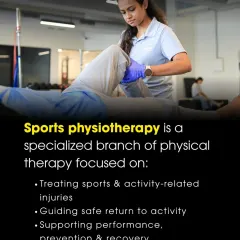
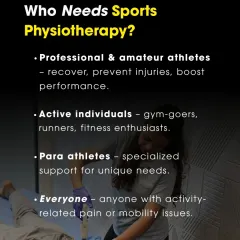
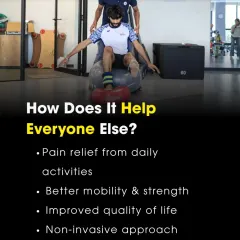
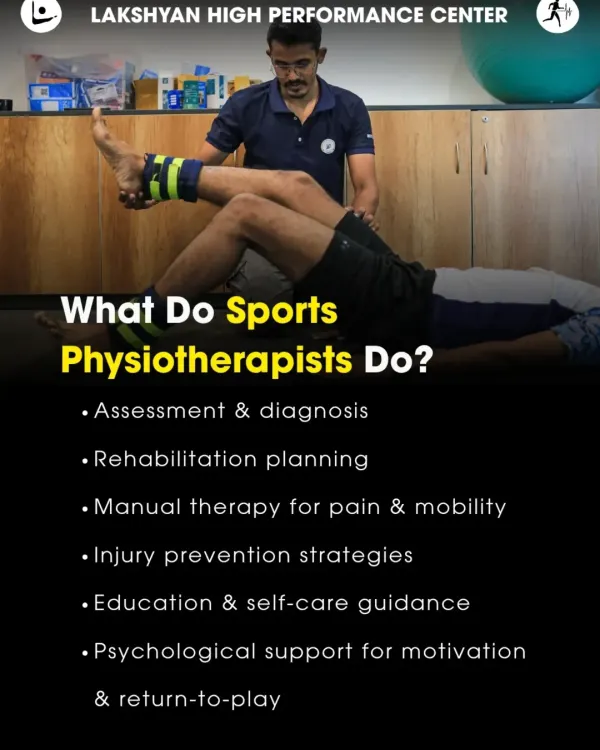
Sports Physiotherapy and Injury Rehabilitation in Bengaluru
Professional Physiotherapy and Performance Rehab
More from Sports Performance and Conditioning by Soul Physio
More services by Soul Physio