Master Practical Litigation & Legal Drafting
Law schools teach theory, but courts demand skills. With 20 years in the Delhi High Court, I teach the practical, no-nonsense side of law that nobody tells you about.
Why do many Indian lawyers struggle to earn well? It often comes down to a critical gap in practical skills, especially legal drafting. In my 60-minute masterclass, I reveal how to bridge this gap and build a profitable practice, sharing insights from my 20+ years in litigation.
Forget complex legal jargon. Any legal case can be broken down into five simple blocks: Parties, Property, Place, Time, and Document. This is the foundation of my drafting method, a practical framework I teach to help you structure any pleading with clarity and confidence.
This video of a high-ranking police officer unable to answer basic legal questions reveals a shocking reality about our system. It highlights why practical, hands-on training is not a luxury but a necessity for any lawyer who wants to navigate the courts effectively and find loopholes to protect their client.
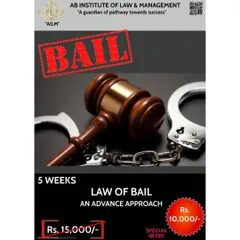
Bail is not a one-size-fits-all concept. I break down the four essential types of bail: Regular, Anticipatory, Interim, and Transit. Understanding the specific purpose and application of each is a fundamental skill for any criminal litigation practice.
Feeling you lack the knowledge, confidence, or experience to succeed? These are just perceptions, not your reality. I believe the first step to becoming a successful advocate is to build unshakable trust in yourself, and I can show you how.
In cross-examination, giving suggestions is as crucial as asking questions. It's a strategic tool to dispute the other side's version of facts. If you don't challenge their narrative with suggestions, the court may assume you've admitted their claims, weakening your own defense.
Can a court force a spouse to proceed with a mutual consent divorce if they change their mind? This breakdown of a real Delhi High Court case explores the nuances of Section 13B of the Hindu Marriage Act and clarifies that consent is required at both stages of the process.
Law isn't just about memorizing sections; it's about common sense. The principles of justice, like giving someone a chance to be heard before a decision, are rooted in basic human logic. Once you understand this, the entire legal system becomes much simpler to navigate.
About Featured
Most young lawyers lose potential income because they struggle with basic drafting. In my masterclass, I break down my 5-block foundation — Parties, Property, Place, Time, and Document — that helps you structure any pleading in under 20 minutes. Stop relying on outdated copy-paste templates and start building your own courtroom-ready drafts.
The gap between an LLB degree and the reality of an Indian courtroom is massive. I started my career lost, just like many of you, but 1500+ cases and 20 years later, I have refined a method that turns complex legal challenges into simple, logical steps.
My training isn't about memorizing sections; it is about developing the instincts required to win. Whether you are struggling with a complex bail strategy, unsure how to handle a cross-examination, or feeling intimidated by the 'system,' I provide the roadmap to navigate these hurdles.
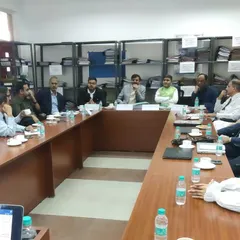
I conduct in-person litigation workshops at my office on Prithviraj Road, where we move beyond books into simulations: role-playing cross-examinations, analyzing real FIRs, and preparing for the unexpected. For those who can’t join in person, my online masterclasses cover the exact framework I use for civil suits, criminal complaints, and writ petitions.
If you are tired of wondering why your practice isn't growing or why you lack confidence in front of a judge, it is time to shift your perspective. Law is logic, and if you understand the underlying 5-block framework, you can tackle almost any case with confidence. Let's move past the fear and start practicing law the way it should be done.
Similar work from other experts
Browse through Curated picks from other experts on mytribe

Practical Legal Training & Career Mentorship

Featured Legal Practice & Mentorship
Practical Legal Expertise & Real-World Advocacy


Mentorship & Practical Legal Guidance in Delhi
My Legal Practice and Mentorship Programs
 7
7


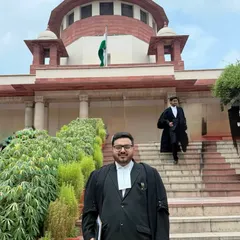
Precision Legal Drafting and Supreme Court Representation
More from Practical Legal Training & Coaching by Sharad Bansal
More services by Sharad Bansal