Essential Triathlon Gear for Race Day
Your equipment can either save your race or ruin it. I’ve tested what works and what’s just noise—here is the gear guide for triathletes.
Equipment matters. I learned this the hard way with swim fins. The difference between a rigid fin and a flexible one is huge for reducing load on your ankle and preventing injury. Invest in good gear.
For swimmers and triathletes, fins are a must-have piece of equipment. I explain the difference between long fins for speed and short fins for power, and which ones you should start with as a triathlete.
What are the two must-have bike upgrades for your first triathlon? Coach Ankush Sharma breaks it down: aero bars for position and clipless pedals for efficiency and stability.
What bike do I recommend for a first-time triathlete? You don't need to break the bank. An entry-level road bike is versatile and effective. Here's a specific recommendation that costs less than 60,000 rupees.
When should you use a disc wheel? It's beneficial if you can maintain an average speed over 35 kmph on rolling terrain. But avoid it in strong crosswinds, as it can destabilize your bike.
Flat tires are a part of cycling. This portable, rechargeable bicycle inflator is a game-changer. It's faster than a hand pump and easier to travel with than CO2 canisters. A must-have for every cyclist.
A simple home remedy to keep your white running shoes looking fresh. All you need is baking soda and water. Remember, never put your performance shoes in the washing machine as it damages the sole.
New bike day! This is Phlox, my custom-painted Polygon Helios A9X. It's a value-for-money speed beast with Shimano Ultegra Di2 components and internal cabling. A lot of love went into building this.
I don't compromise on quality, comfort, or style, which is why I use CCN bibs and jerseys. The chamois is top-notch, and the fit is aero. Good gear makes you feel fast and confident.
That feeling when you get a new wetsuit. It's a key piece of equipment for cold water swims, and getting the right fit is crucial. Yes, this is peak triathlete behavior.
About The Right Gear Matters
Don't get tricked into buying an expensive tri-bike for your first event. A well-maintained entry-level road bike is all you need to handle the course. The real game-changer isn't a disc wheel—it's knowing how to change a tube in under five minutes when you get a flat on the open road.
Swim Gear: Start with Fins
If you want to improve your swim stroke, use long fins. They provide the flexibility your ankles need, especially when you are balancing running and cycling training. Avoid short, rigid power fins until your technique is solid. I learned this the hard way, so trust me—you want to reduce the load on your Achilles to stay injury-free.
Bike Setup: Position Over Price
For your first triathlon, you do not need to break the bank. You need position and stability. Focus your budget on two upgrades: aero bars and clip-in pedals. Aero bars help you get into an efficient position, and cleats/pedals make your power transfer significantly smoother. If you are looking for a starter road bike, the Polygon Strattos S2 is a solid, versatile choice that won't cost a fortune.
Maintenance is Skill, Not Luck
Stop relying on support vehicles. Knowing how to fix a flat tire is a mandatory skill for any endurance athlete. I recommend carrying a portable, rechargeable electric inflator. It is faster than CO2 canisters and much easier to manage. Practice changing your tube at home until you can do it without panic. On race day, you don't want to be staring at your bike, waiting for help that might never come.
Keep Your Kit Functional
Never wash your running shoes in a machine—it destroys the sole's responsiveness. If they get dirty, use a simple mix of baking soda and water to scrub them. Treat your gear with respect, and it will last through the thousands of kilometers of training you have ahead of you.
Similar work from other experts
Browse through Curated picks from other experts on mytribe
Gym Equipment: Choosing the Right Tools for Performance
 11
11
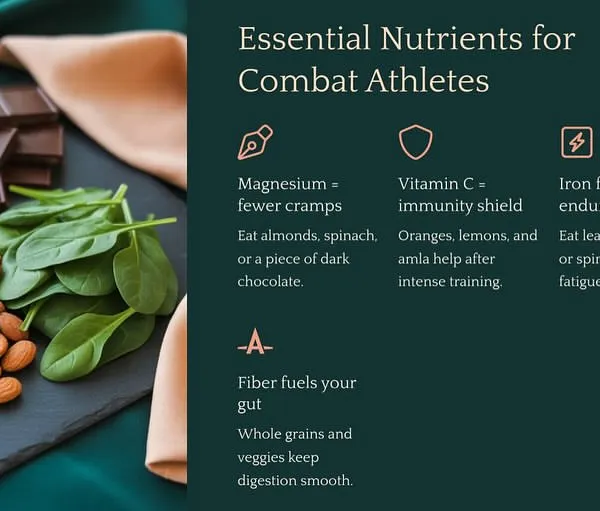
Combat Nutrition and Recovery for Fighters

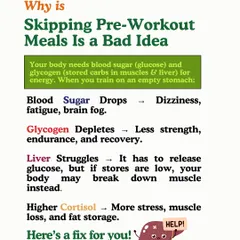
Fueling for Performance: Pre, During & Post Workout
 9
9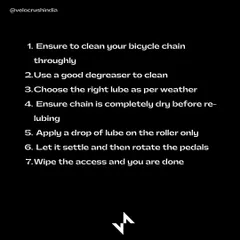
Essential Bicycle Maintenance and Bike Care Toolkit
Specialized Race Prep for Marathons and HYROX
 21
21
Race Preparation: From 5k to Ultra-Marathon
More from Endurance Training Camps by TimTim Sharma
More services by TimTim Sharma