Data-Backed Marathon and Hybrid Training
I use metrics like heart rate, VO2 max, and recovery scores to ensure we are building you up, not breaking you down. Here is how I use data to turn your hard work into real results.
A snapshot of my last 7 days: 13 runs, 75.6 km, and an average resting heart rate of 42. Data helps me track my workload and ensure I'm balancing training with recovery.
A look at my key metrics: a superior VO2 Max of 58, a good sleep score, and a low resting heart rate. This is what peak fitness looks like from the inside.
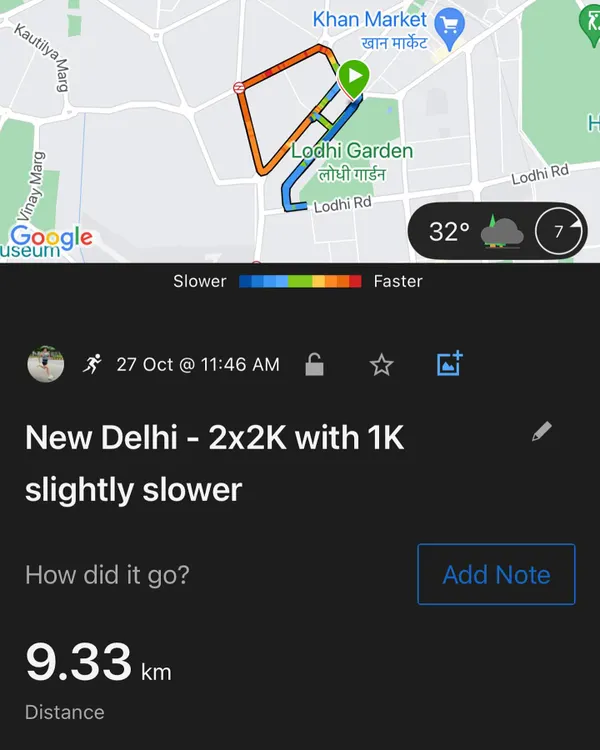
This workout was a threshold session, which is very demanding but significantly improves lactate threshold. The data shows I was "overreaching," a reminder that recovery is crucial after such a hard effort.
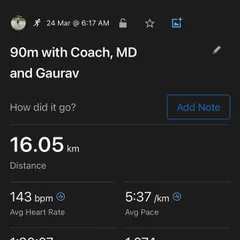
A breakdown of a day's activity, including a strength session, a tempo run, and a cool down. Tracking each component helps me understand the total training load.
My stats after a tough run in the humidity. A VO2 Max of 58 and a resting heart rate of 39 show a strong aerobic base, but the "Productive" training status indicates I'm adapting well.
A weekly summary showing 16 runs and 93.7 km. This was a high mileage week, and tracking it helps me plan for adequate recovery.
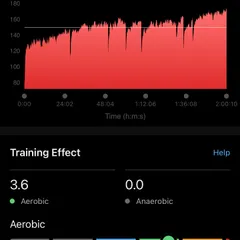
This run had a high impact on my lactate threshold. Spending significant time near this threshold is key to improving endurance and speed for races.
Another confirmation of a superior VO2 Max of 58, placing me in the top 1% for my age and gender. This is a key indicator of my cardiovascular fitness.
A weekly summary with a good balance of runs and workouts. A sleep score of 82 and a resting heart rate of 45 show that my body is recovering well.
This "overreaching" status after a demanding 15km run shows the intensity of the workout. These sessions are powerful but must be used sparingly to avoid injury.
About The Data Doesn't Lie: A Science-Backed Approach
When you see 'overreaching' on your watch, it is not a badge of honor. It is a data-backed signal that your body needs recovery, not more intensity. I monitor these specific training load metrics to ensure every session serves a purpose, preventing burnout before it happens.
We track the metrics that actually matter: sleep quality, resting heart rate, and training readiness. If your resting heart rate spikes, we pivot. If your VO2 max plateaus, we adjust your interval intensity.
I do not just send you a static plan and disappear. We use your raw performance data—whether you are training at Tau Devi Lal Stadium or working remotely—to adjust your heart rate zones in real-time. This is not just about training harder, it is about training smarter. We keep your aerobic engine strong while ensuring your nervous system stays resilient. Whether we are analyzing your splits from a 10K tempo run or reviewing your week's fatigue resistance, every decision is based on what your body is telling us, not on guesswork. Savdhani hati, durghatna ghati (carelessness leads to accidents), and that applies to your training load as much as anything else.
Similar work from other experts
Browse through Curated picks from other experts on mytribe
 7
7
Data-Driven Marathon and Running Training in New Delhi
Specialized Race Prep for Marathons and HYROX

Personalized Running Coaching for 5K to Ultra
Science-Based 10k & Marathon Race Preparation
Personalized Running Training and Daily Challenge Coaching
 7
7

Race Ready Endurance Coaching
More from HYROX & Hybrid Athlete Coaching by Megha Kishore
More services by Megha Kishore