The Dark Stain Promise: Natural Mehendi Art in Pune
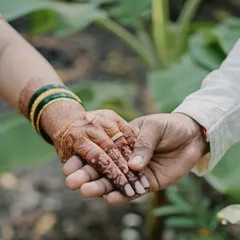
Getting a deep, maroon henna stain is about more than just the paste—it is about technique. I use 100% natural, chemical-free henna and traditional methods like clove steam to make sure your color is rich, safe, and long-lasting.
My secret to a darker henna stain: Clove steam. This traditional method helps the natural henna bind to the skin, resulting in a deeper, longer-lasting color. I always guide my clients on how to do this safely.
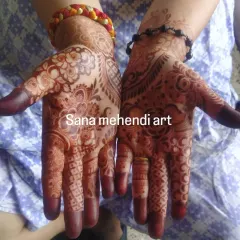
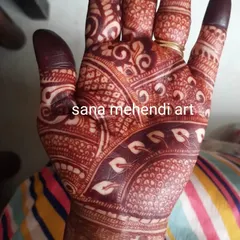
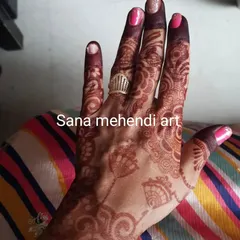
The final stain tells the real story. This is the rich, dark color my client got for her brother's wedding, achieved with my all-natural henna paste. The design includes 'Dada' and 'Vahini' to celebrate the new couple.
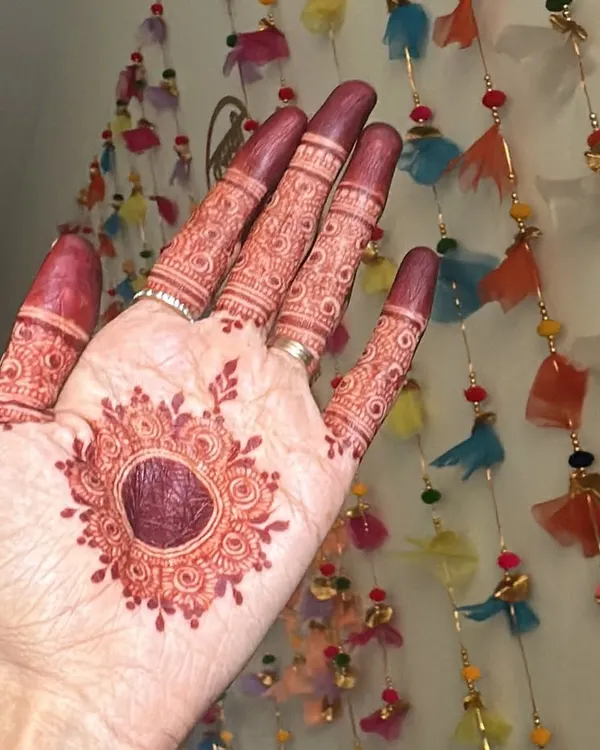
Look at that beautiful henna stain. This is the result of my natural henna paste and proper aftercare, creating a deep maroon color for this special Karvachauth design.
A close-up of a beautiful dark stain on the feet. The intricate patterns look even more stunning when the color fully develops, as seen here against a bed of flower petals.
The beauty of a fully developed leg mehendi stain. The contrast between the dark henna and the skin makes the intricate floral and geometric patterns truly stand out.
A rich, dark stain on the feet. This design features peacock and floral motifs, and the deep color is a testament to the quality of my natural henna.
This video shows the stunning dark stain on a bride's feet. The design is intricate and the color is deep and even, ensuring she looks perfect from head to toe.
About The Dark Stain Promise: Process & Results
You might wonder why some mehendi stays orange while other designs turn a deep, dark maroon. The secret isn't a chemical additive, but how you treat the henna once it is on your skin. I use a clove steam technique—gently heating cloves and letting the aromatic smoke settle on your drying henna—to activate the color-binding properties, which helps achieve that rich, natural stain you see in my gallery.
Most people think dark mehendi depends solely on the quality of the henna powder. While using triple-sifted Rajasthani powder is my baseline for a smooth application, the real work happens after the design is drawn.
The Clove Steam Method
This is a traditional trick I swear by. Once the henna is semi-dry, we create a light smoke using heated cloves. The eugenol in the clove smoke helps the dye molecule bond more deeply with the skin. This results in a stain that doesn't just look good on the day of the event, but deepens over the next 48 hours.
Aftercare Matters
Getting a dark stain is a partnership between the artist and you. After my session, I recommend avoiding harsh soaps for the first 24 hours. The design needs to stay warm and moist to develop properly. I often advise my clients to use coconut or almond oil to seal the stain after the dried henna is scraped off.
Why Natural Only
I never use chemical 'black henna' or additives to force a quick, dark color. Those often contain PPD, which can cause severe skin reactions. My approach is 'Aajche kasht udyache yash'—today's hard work and patience leads to success. If you want that deep, rich maroon for your bridal or festival mehendi, this slow-and-steady process is the only way to do it safely.
Similar work from other experts
Browse through Curated picks from other experts on mytribe
My Secrets to a Deep, Dark Mehndi Stain
Achieving That Deep Natural Henna Stain
 8
8
The Secret to Deep & Dark Henna Stains
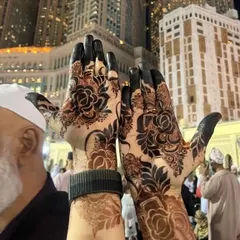
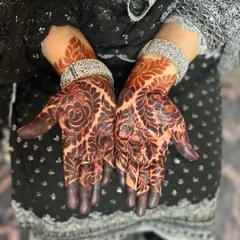
Getting the Perfect Deep Mehendi Stain
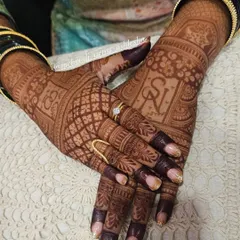
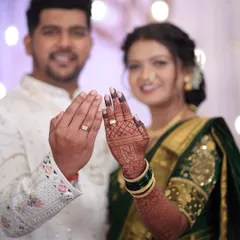
The Art of Natural Henna: Process & Stain
Dark, Natural Mehendi Stains That Last
More from Custom & Themed Mehendi Design by Sukanya Mehendi
More services by Sukanya Mehendi