Achieving That Deep Natural Henna Stain
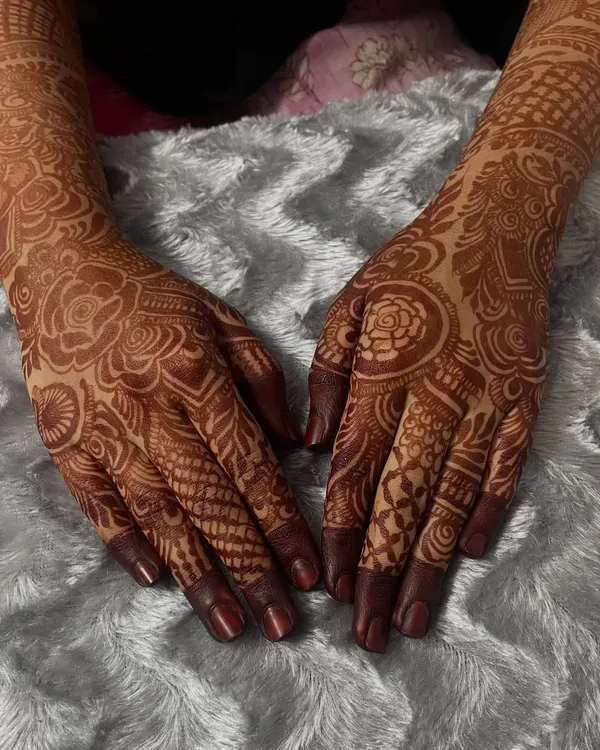
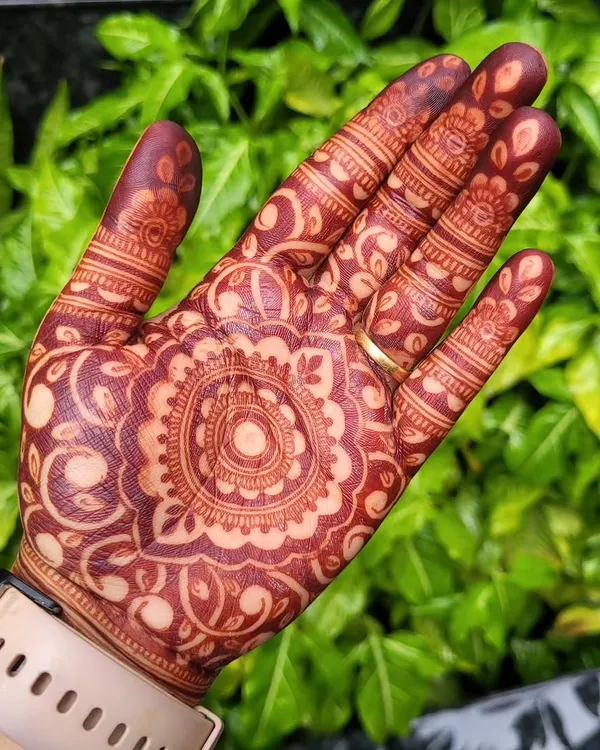
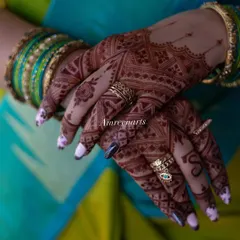
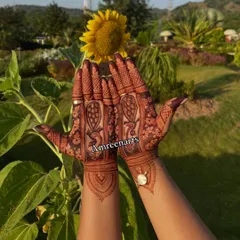
You deserve a rich, dark mehendi stain without using harsh chemicals. I use only pure, organic henna to ensure your design looks beautiful on day one and glows with a deep kumkum color days later.
This video is proof of my natural henna's quality. You can see the design immediately after application and the rich, dark stain it develops into three days later. No chemicals, just pure color.
My hands often get stained from mixing fresh henna paste, but it's all worth it to see the beautiful, intricate designs on my clients' hands.
A glimpse into my process. Here, I am carefully filling in the details of a traditional peacock mandala, ensuring every line is perfect.
Watch as I draw a delicate elephant and lotus cuff. My steady hand and attention to detail ensure that every motif is a tiny work of art.
This video shows the process of creating a modern floral design, from the initial outline to the final filled pattern, showcasing the contrast technique.
Here I am, meticulously drawing a floral wristband for an engagement mehendi. Every stroke is made with care to create a flawless design.
A satisfying look at the process of creating a unique lotus chain design on the back of the hand, one flower at a time.
Watch me bring a whimsical rose and butterfly design to life. This shows the shading and filling techniques I use to add depth to my work.
A 30-minute design condensed into 20 seconds. This time-lapse shows the speed and precision that comes with years of practice.
The satisfaction of creating a perfect peacock motif. This close-up shows the process of filling in the details of a traditional arm-band.
About The "Kumkum" Stain & My Process
The richness of the final kumkum stain depends on more than just the ingredients. After I finish your design, keep the mehendi on for at least six to eight hours, and avoid water contact for the first 24 hours. This patience allows the natural dye to fully penetrate the skin, ensuring that deep, maroon color you see in my gallery instead of the fading orange common with chemical alternatives.
Why I Only Use Natural Henna
Many commercial cones contain chemicals like PPD and artificial dyes that give an instant, dark black stain but can cause skin irritation or allergic reactions. My henna is mixed from 100% organic powder and essential oils. It is safe for everyone, including brides-to-be, expectant mothers, and those with sensitive skin.
The Lifecycle of Your Stain
When I apply my natural henna, it initially appears as a light, bright orange. This is completely normal. Because there are no dyes involved, the color oxidation process takes time. Over the next 24 to 48 hours, as the stain reacts with your skin chemistry, it deepens into the rich, dark maroon I am known for. The images in this gallery show exactly how this evolution happens.
My Application Process
Precision is key to a clean design. Whether I am sketching a traditional bridal mandala or a modern, minimal floral vine, I use high-quality, fine-tipped cones to maintain consistency. My flow technique is designed to prevent smudging while allowing me to pack dense detail into smaller spaces.
Aftercare Tips
To get the deepest color:
- Heat: Once the henna dries and starts to crack, expose your hands to the steam of a clove-warmed lemon and sugar mix.
- Stay Dry: Do not wash the dried henna off with water. Scrape it off with a butter knife or rub it gently with coconut oil.
- Avoid Water: Keep your hands away from water for the first 24 hours. The longer you keep the skin dry, the deeper the color will travel.
Similar work from other experts
Browse through Curated picks from other experts on mytribe
 4
4
Rich, Dark Mehendi Stains
 11
11
My Organic Henna Process and Stain Tips
 7
7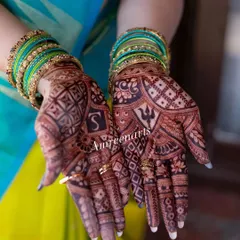
Natural Henna with Deep Maroon Stains
Deep Natural Mehendi Stain Gallery
The Art of Deep, Organic Mehndi Stains
Behind the Scenes: My Mehandi Process
More from Festive & Occasional Mehendi by Sheetal
More services by Sheetal