Experiential Hotel & Resort Architecture
Hospitality design that blends luxury with the natural landscape, focusing on immersive guest experiences and functional site planning.
This video provides a comprehensive look at The Foresta, a complete hospitality ecosystem I designed. It showcases how the main hotel, private villas, waterfall pool, and restaurant interiors work together to tell a cohesive story of luxury in nature.
This walkthrough of The Foresta highlights the project's diverse amenities, including the hotel sports area and private serviced villas. My design ensures that every part of the resort, from recreation to residence, offers a seamless and elevated guest experience.
About Experiential Hotels & Resorts
Hospitality design goes beyond visual appeal. In projects like The Foresta, I focus on the relationship between the structure and the landscape, utilizing extensive glazing to frame views and ensuring the circulation between private villas and guest amenities feels natural. This architectural strategy transforms a property from a mere stay into an immersive destination.
Master Planning and Site Analysis
Successful hospitality architecture begins long before the first wall is built. I prioritize a rigorous site analysis, studying topography, sun path, and wind direction to determine the optimal building orientation. For resorts, this involves strategic master planning—delineating zones for guest blocks, service entries, and communal facilities like pools and sports areas to ensure smooth operations while maintaining guest privacy.
Guest-Centric Design Flow
My approach for hotels and resorts emphasizes flow. I plan room layouts and service routes that prioritize the guest experience, ensuring that transition zones such as decks, gazebos, and lobbies feel inviting rather than purely functional. In restaurant and lounge interiors, this translates to acoustic planning and lighting design that balances a sophisticated atmosphere with necessary service efficiency.
Structural Form and Materiality
I rely on durable, authentic materials like natural stone, wood, and glass to achieve a timeless aesthetic. The structural form is designed to integrate into the terrain rather than dominate it. Every project, whether in Chandigarh or other regions, includes comprehensive MEP coordination—ensuring HVAC, fire safety, and electrical systems are concealed and integrated into the design. This technical precision is what allows the beauty of the architecture to remain the primary focus for your guests.
Similar work from other experts
Browse through Curated picks from other experts on mytribe
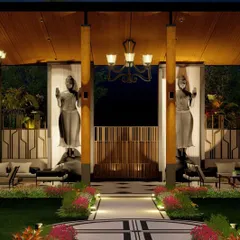
Hospitality & Retreat Design and Master Planning
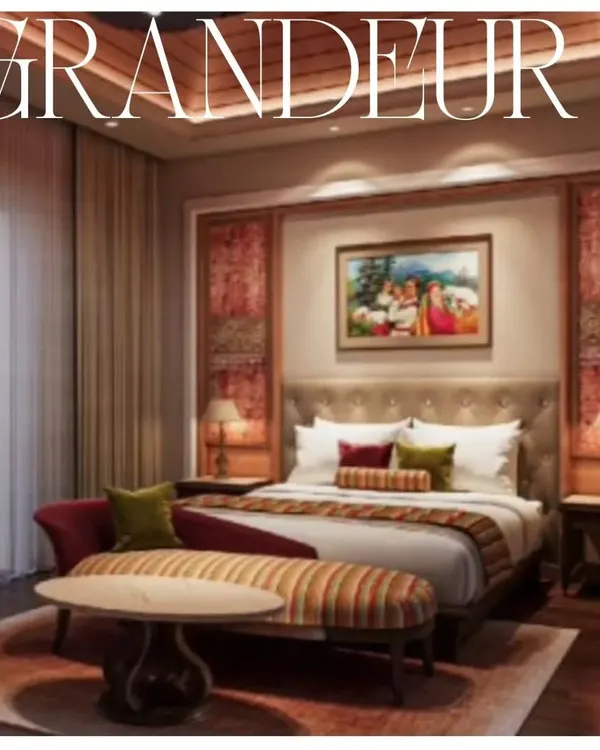 4
4
Commercial & Hospitality Design
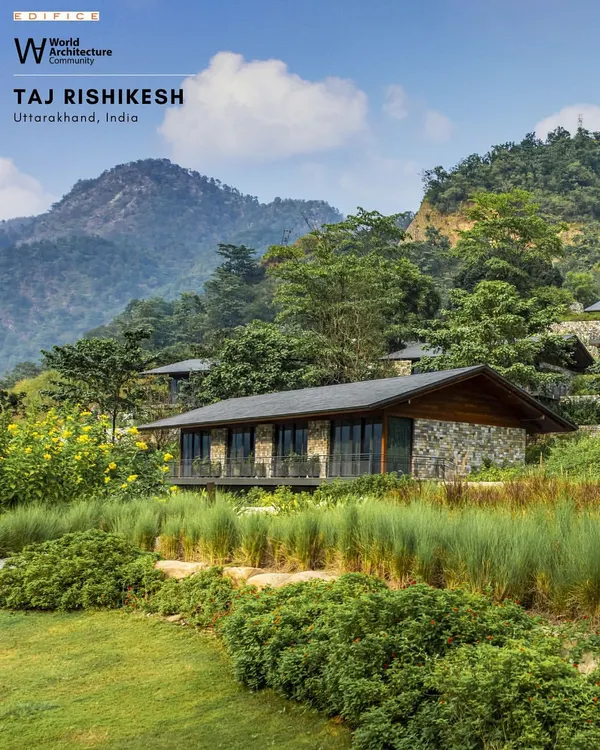 4
4
Designing Sustainable Hospitality Spaces
 10
10
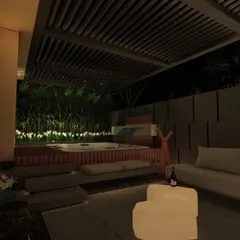
Luxury Hotel and Resort Landscape Architecture
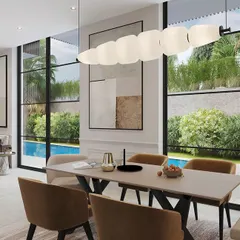
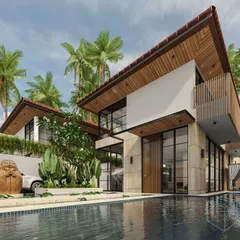
Luxury Resort and Villa Architectural Design
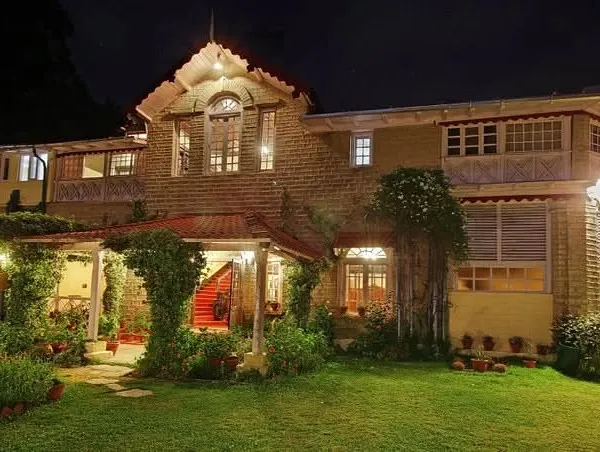 26
26
Hotel and Resort Design and Construction
More from Hospitality Architecture & Design by Subash & Associates
More services by Subash & Associates