Understanding and Treating Skin Pigmentation
Uneven skin tone is often caused by sun, hormones, or pollution. Before trying home remedies, let us look at the science behind your skin's pigmentation.
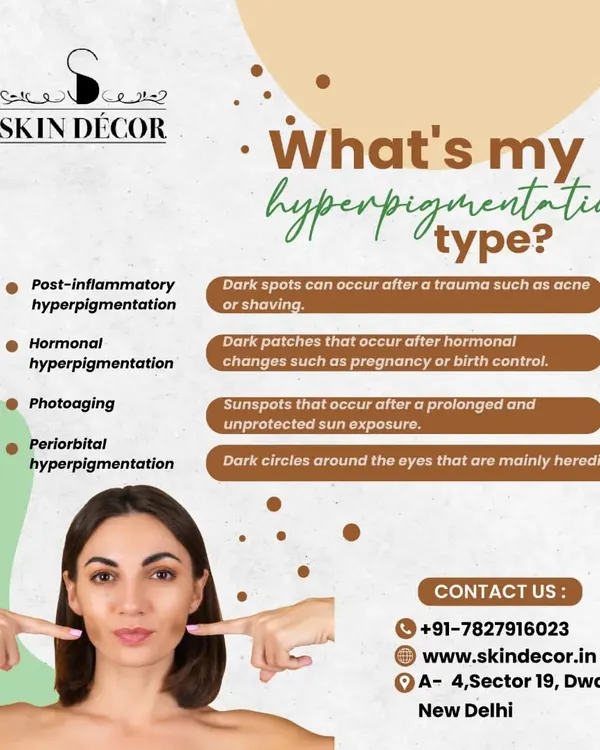
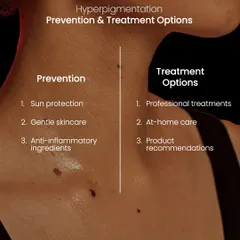
Hyperpigmentation is not a single condition. This chart explains the different types we treat, including post-inflammatory hyperpigmentation from acne, melasma from hormonal changes, and lentigo or 'age spots' from sun exposure.
Skin pigmentation can be broadly categorized into three types. Hyperpigmentation means darkening of the skin, while hypopigmentation is the lightening of skin. Understanding which type you have is key to finding the right treatment.
Living in a city like Delhi exposes your skin to high levels of pollution, which can cause premature aging, irritation, and hyperpigmentation. A targeted skincare routine can help protect your skin barrier from this environmental damage.
Blemishes can be caused by a variety of factors. This interactive post helps you think about the potential triggers, including sunburn, excess oil production, dryness, and open pores.
Pigmented lips can be caused by more than just genetics. Common reasons include using low-quality lip products, sun exposure, smoking, and dehydration. A good lip care routine is essential for maintaining their natural color.
About Understanding Your Skin: Pigmentation & Blemishes
Before we suggest any treatment, I insist on a proper skin assessment to identify if your pigmentation is epidermal or dermal. We do not use one-size-fits-all creams. Depending on your assessment, we might suggest medical-grade chemical peels or Q-switch laser toning, but only after analyzing your current skin barrier health.
Pigmentation is rarely just a surface problem. When patients come to my clinic in Rajouri Garden, they have often tried everything from lemon juice to toothpaste on active acne marks. This is where the real damage starts. Inflammation leads to further darkening, making the initial problem harder to treat.
The Science of Your Skin
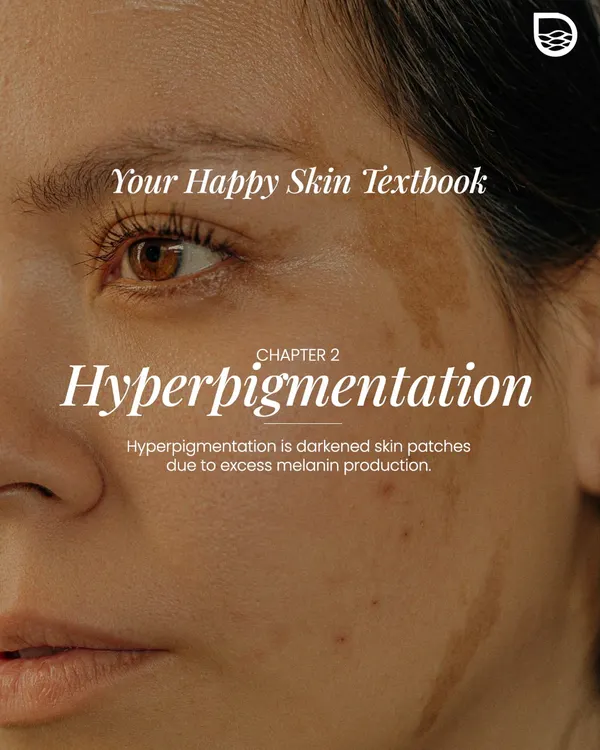
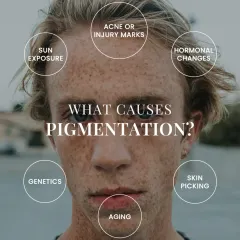
Whether it is melasma, sun spots, or post-acne pigmentation, the root cause varies. Hormonal shifts and prolonged sun exposure are common, but in Delhi, environmental pollution plays a huge role in skin barrier damage and dullness.
Our Approach to Treatment
We avoid guesswork. Our process follows a strict protocol:
- Dermatologist Assessment: I examine the depth and type of your pigmentation.
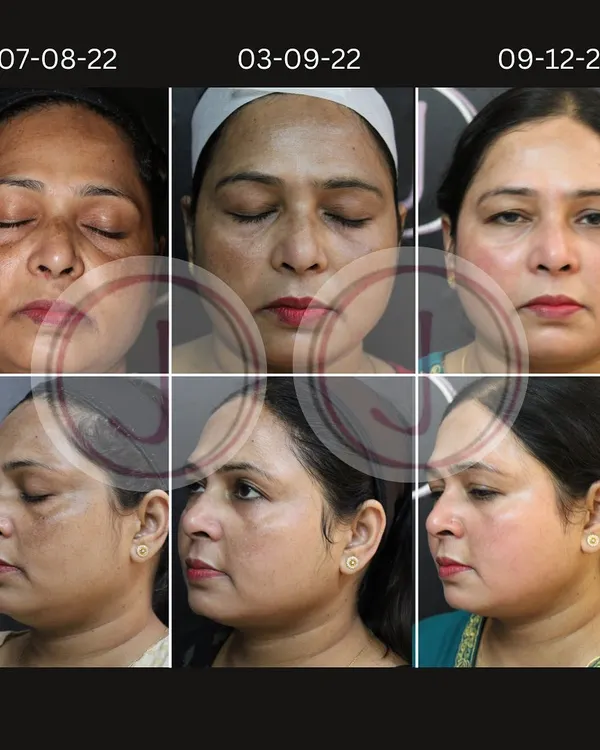
- Targeted Treatment: For superficial tanning and surface dullness, clinical chemical peels using Glycolic or Salicylic acid work well. For deeper dermal pigment, we utilize Q-switch laser toning.
- Maintenance: We provide guidance on medical-grade sun protection, which is non-negotiable for results.
If you have been struggling with uneven skin tone, stop experimenting at home. A scientific approach to your skincare plan will save you time and prevent unnecessary skin sensitivity.
Similar work from other experts
Browse through Curated picks from other experts on mytribe
 4
4

Understanding Pigmentation and Root Causes
 17
17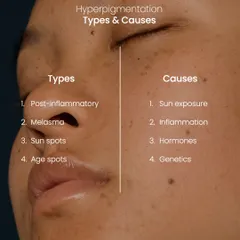
Understanding Your Pigmentation and Dark Spots
 7
7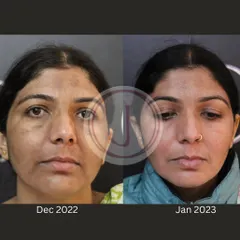
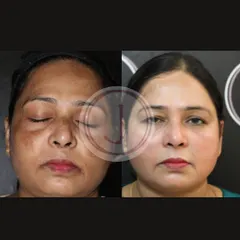
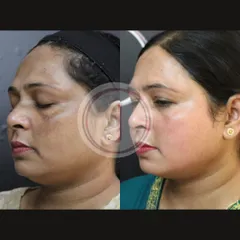
Treating Pigmentation and Dark Spots
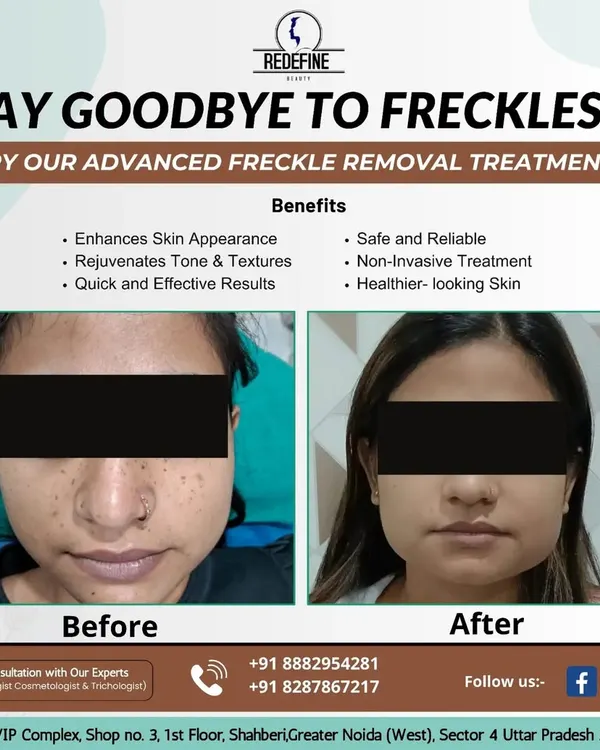 4
4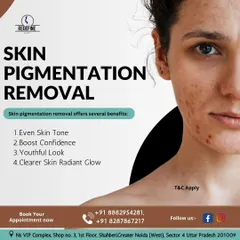

Effective Solutions for Pigmentation and Uneven Skin Tone
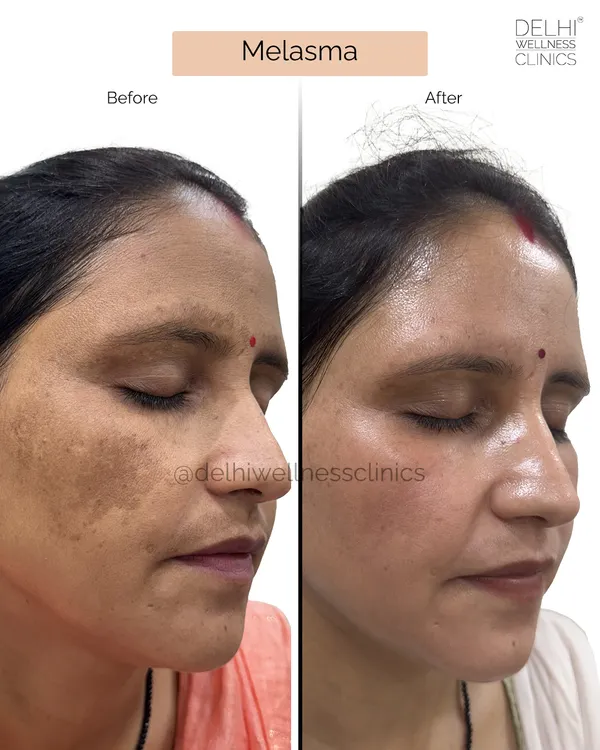
Expert Pigmentation & Melasma Care
 6
6
Clear Skin Solutions: Pigmentation & Sun Damage Treatment
More from Skin Tone & Pigmentation Correction by Dermaworld Skin & Hair Clinics
More services by Dermaworld Skin & Hair Clinics