Debunking Nutrition Myths: Real Science, No Hype
Stop trusting fitness advice that hasn't been verified. I cut through the noise with scientific facts to help you fuel your body, build muscle, and improve your long-term health the right way.
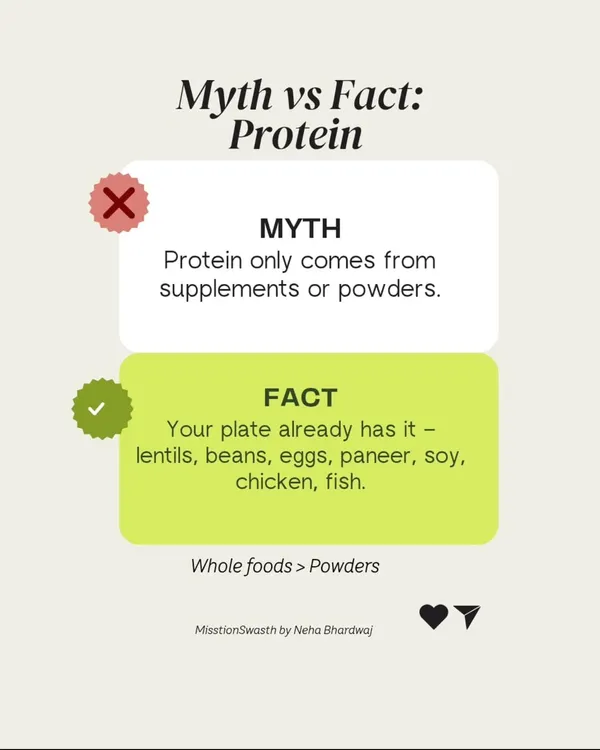
Protein is one of the most misunderstood macronutrients, with myths spread even by medical professionals. In this series, I debunk these myths one by one, explaining that protein from natural food sources is the foundation, and supplements are for filling the gaps.
Does a high-protein diet damage healthy kidneys? This is a common myth. I explain the science, which shows that for a healthy person, a high-protein diet is safe and beneficial, while clarifying the specific guidelines for individuals with pre-existing kidney conditions.
Do you need to consume protein immediately after a workout? The "anabolic window" myth is persistent. I explain that your body's muscle-building window is much larger than an hour, and total daily protein intake is what truly matters for muscle gain.
Does mixing whey protein with milk slow down digestion for 8 hours? This is a huge exaggeration. I clarify that while the casein in milk can slightly slow digestion, it's only by an hour or two, not the dramatic 8 hours often claimed.
Do you need to mix plant-based and animal-based proteins for better absorption? The simple answer is no. What matters is meeting your total daily protein requirement, whether from individual or combined sources.
Is alkaline water a miracle cure? I debunk the claims that it can balance your body's pH or prevent diseases like cancer. Your body has powerful systems to regulate pH, and clean, simple hydration is what's most important.
Are energy drinks a good way to boost your energy? Absolutely not. I explain the dangers of their high caffeine and sugar content and suggest healthier, more effective ways to hydrate and energize your body, like water with electrolytes.
If coffee makes you feel wired and tired, you might be a poor metabolizer of caffeine. I explain how your CYP1A2 gene affects this and why understanding your genetics is key to consuming caffeine safely.
Can you drink too much water? Yes, it's called water poisoning or hyponatremia. I share a client's story to highlight the dangers of overhydration and emphasize that listening to your body is more important than following generic challenges.
A collection of common protein myths, busted with science. This series addresses questions about protein's effect on fat mass, bone health, and kidney function to give you clarity and confidence in your diet.
About Science Over Hype: Debunking Nutrition Myths
People often rush to drink a protein shake immediately after the gym, fearing they'll miss an "anabolic window." Science shows this window is much longer than an hour. Focus on your total daily protein intake instead—that is what actually drives muscle growth, not the timing of your post-workout meal.
Why I focus on facts, not trends
There is a massive amount of misinformation online. Even medical professionals sometimes get the basics of nutrition wrong. My approach is entirely evidence-based. I don't follow internet trends; I follow the research. Whether it is debates about protein harming kidneys or whether you need to mix plant and animal sources, I rely on clinical studies to guide my advice.
How I verify information
I rely on frameworks like the Australian Institute of Sport (AIS) for supplementation and deep data analysis for everything else. Here is how I typically approach nutrition:
- Science-First: If there is no study, I don't recommend it. It is that simple.
- Genetic Personalization: Your genes (DNA) tell us how your body handles specific carbs, fats, and stimulants like caffeine. We don't guess; we test.
- No Magic Pills: Supplements are only for filling gaps. Real food is the foundation.
Why this matters for you
Most people struggle not because they lack discipline, but because they are using the wrong playbook. If you are drinking energy drinks to stay awake or buying "alkaline water" to fix your pH, you are likely wasting money and effort.
My goal is to simplify this for you. I look at your blood work, your training style, and your goals to create a plan that works for you, not for a generic fitness influencer.
Similar work from other experts
Browse through Curated picks from other experts on mytribe
 6
6
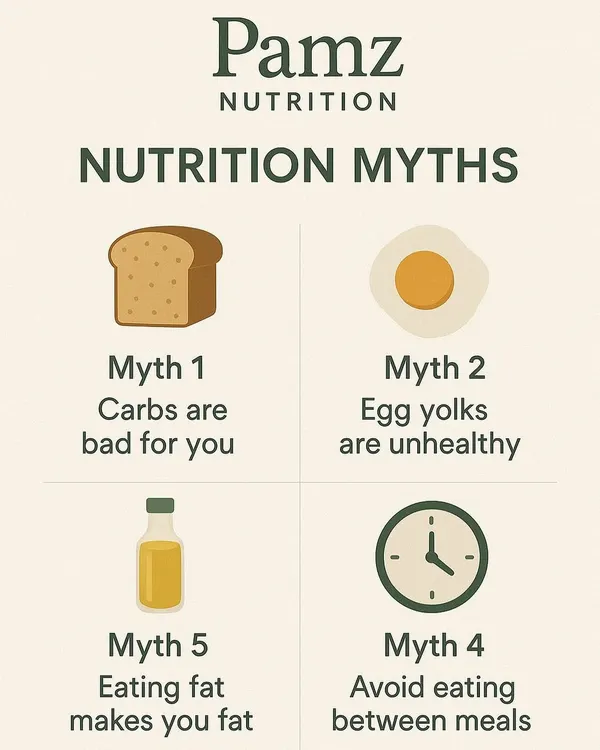
Busting Nutrition Myths with Science-Backed Facts
Busting Nutrition Myths
Nutrition Myth-Busting & Practical Fitness Facts
 53
53

Nutrition Myth Busting and Science-Backed Facts
 9
9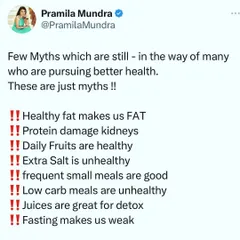
Nutrition Myth Busting: The Real Facts
Fitness & Nutrition Myth Busting: Science-Backed Truths
More from Sports Performance Nutrition by Shah Fahad
More services by Shah Fahad