Supplements: An Evidence-Based Guide
Stop guessing what works. I use the Australian Institute of Sport (AIS) framework to separate scientifically proven supplements from marketing hype.
Feeling overwhelmed by supplements? I use the scientific AIS Framework to classify them into groups based on evidence, safety, and efficacy. This guide helps you make informed choices, whether you're a pro athlete or just staying active.
What is the AIS Supplement Framework? It's a system that evaluates supplements based on scientific evidence. Group A is proven, Group B is promising, Group C has limited benefit, and Group D is risky or banned.
Group A supplements are backed by strong scientific evidence. This includes sports foods like protein for muscle building, medical supplements like Iron and Vitamin D for deficiencies, and performance aids like caffeine and creatine.
Group B supplements show emerging evidence but need more research. This category includes polyphenols from fruits, curcumin from turmeric, and fish oils, which may help reduce inflammation and support recovery.
Group C supplements have limited or no proven benefits for most people. This includes popular but often unproven supplements like BCAAs, Magnesium, and HMB. I focus on what works, not what's trendy.
Ladies, it's time to talk about creatine. It's not just for bodybuilders. This infographic series explains why creatine is a game-changer for every woman, supporting strength, brain power, and bone health at every stage of life.
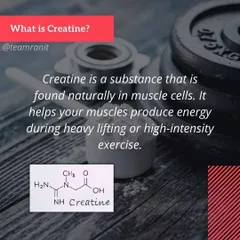
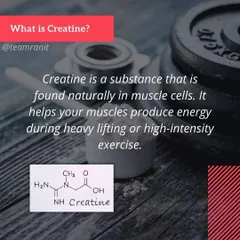
What is creatine? It's an energy powerhouse found naturally in your muscles and brain. It fuels high-intensity activities, both physical and mental, making it a crucial supplement for performance.
Why should women care about creatine? Women naturally have 70-80% lower creatine stores than men. Supplementing can significantly boost your strength, brain power, mood, and bone and muscle health.
Creatine provides a strength and performance boost at all ages. Pre-menopause, it increases power and endurance. Post-menopause, it helps maintain muscle size and function, combating age-related decline.
Creatine is also for brain power and mood support. Research shows it can boost cognitive performance and may even help reduce depressive symptoms, providing a dual benefit for your mind and body.
About Supplements: An Evidence-Based Guide
Most people waste money on Group C supplements that offer little benefit, while ignoring evidence-backed basics like Vitamin D or specific sports foods. My approach is not about pushing pills. It is about evaluating your current bloodwork and specific training goals against the AIS framework to see what your body actually needs. If you are tired of the trial and error approach, let us look at your data first.
The supplement industry is flooded with misinformation. My strategy cuts through the noise by using the Australian Institute of Sport (AIS) classification system. This framework categorizes supplements based on robust scientific evidence, safety, and efficacy.
The AIS Framework Simplified
- Group A: Proven benefits. These are backed by strong science and include essentials like protein, caffeine for performance, and medical supplements like Iron or Vitamin D to correct deficiencies.
- Group B: Emerging evidence. These are promising but often require more research, such as certain polyphenols or fish oils.
- Group C: Limited or no benefit. This is where most people waste their budget. Popular supplements like BCAAs or HMB often fall here. They are frequently marketed aggressively but lack the data to support their use for the average person.
- Group D: Risky or banned. Avoid these entirely.
Why Context Matters
Supplementation is not a one-size-fits-all game. A pro athlete needs different fuel than someone managing weight loss or sarcopenia. For example, creatine is a powerhouse for strength and cognitive function, yet many women avoid it due to outdated bodybuilding myths.
Whether you are looking to optimize recovery, bridge a nutritional gap, or boost performance, my goal is to ensure you stop paying for 'hype' and start investing in substances that actually move the needle for your health.
Similar work from other experts
Browse through Curated picks from other experts on mytribe
No-BS Nutrition and Supplement Reviews
Smart Supplementation: Evidence-Based Fitness Advice
Supplement School: What Actually Works & What Is Just Hype

Supplements Demystified: Science vs. Hype
 8
8
Smart Supplement Strategy for Better Results
 34
34
Creatine Supplement Guide: Facts, Dosage, and Truth
More from Sports Performance Nutrition by Shah Fahad
More services by Shah Fahad