The Montessori Philosophy in Action
Philosophy means little if it stays on a shelf. We focus on turning Montessori principles into daily classroom reality, connecting history, science, and child-centric pedagogy to create a space for joyful discovery.
Two paths, one vision. On Gandhi Jayanthi, we celebrate the profound connection between Mahatma Gandhi and Dr. Maria Montessori. This image of their meeting in 1931 reminds us of their shared belief that true peace begins with children.
On International Literacy Day, we celebrate multilingualism as a cornerstone of peace and understanding. This video from our founder explains how the Montessori pedagogy naturally fosters a multilingual environment, enhancing cognitive development and promoting social cohesion.
A clip from our "Evolving Education Series," a video interview with Dr. Vandana Saxena. Here, she discusses the struggles and triumphs of bringing systemic change to a university, including challenging the institutional culture and the importance of having the courage to be oneself.
In this episode of our "Evolving Education Series," Dr. Vandana Saxena discusses the changes she brought to the curriculum. She explains the importance of teaching the "nature of a subject," not just its content, and how she used andragogy to create an experience-based, student-centric learning environment for adult learners.
On National Anti-Child Labour Day, our founder, Amukta Mahapatra, reflects on her experiences working with children in urban and rural India. She shares the perspective of working children who wished to "earn and learn," and how programs were created to respect their dignity and choice.
This post explores the Hebrew Calendar as part of a series on how different cultures track time. This concept, which we delve into in our Montessori Elementary Course, connects to history, mathematics, and the cosmic cycles that govern our world.
An exploration of the Hindu Calendar and its use of a leap month, 'Adhik Maasa'. This is another example of the rich cultural and scientific knowledge we cover in our Elementary course, connecting children to a global understanding of time.
A look at the Chinese lunisolar calendar. Understanding different calendar systems is a fascinating part of our Elementary curriculum, reflecting the diverse ways cultures have synchronized their lives with solar and lunar cycles.
The Islamic Calendar, which operates on a lunar basis without leap years. This post is part of our series on the diverse ways humanity has measured time, a key topic in our Cosmic Education curriculum.
An explanation of the Gregorian Calendar and its specific rules for leap years. This familiar system is just one of many, and comparing it to others opens up a world of learning about history, culture, and astronomy.
About The Montessori Philosophy in Action
We believe that theory must translate into tangible classroom experience. Whether we are exploring the intricate structures of the Hebrew, Chinese, and Islamic calendars or examining the historical connection between Gandhi and Montessori, our focus remains on making big concepts accessible and alive. These sessions are designed to move beyond traditional lecturing, helping you understand how to weave deep, academic subjects into the everyday rhythm of a child's learning journey.
Bridging Philosophy and Practice
Our work is built on the foundation of Cosmic Education, a key tenet of the Montessori approach for the elementary years. We don't just teach the 'how' of lesson planning. We explore the 'why' behind the subject. By studying diverse calendar systems, for example, we help educators see how history, mathematics, and astronomy intersect. This prepares you to answer the 'why' questions that curious children inevitably ask.
Andragogy for Adults
We practice what we preach. Our training sessions for adults follow the same principles of discovery that we advocate for children. We move away from passive listening and towards active participation. If you are joining us for our Elementary Course or a thematic workshop, expect a space where your personal belief systems are challenged and refined. We foster an environment where educators can safely share their struggles, whether it relates to classroom management or feeling like an outsider in an institutional setting.
Rooted in Diversity
India offers a rich landscape for learning, and we lean into this. From our work with Anganwadi teachers in Karnataka to our collaborative research on inclusion, we emphasize that Montessori principles are not rigid or culturally bound. They are flexible frameworks that thrive when adapted to the local context. Whether you are a parent, a school leader, or a teacher, our sessions will help you find the courage to be yourself and create a learning environment that is authentically your own.
Similar work from other experts
Browse through Curated picks from other experts on mytribe
 7
7
Understanding The Montessori Philosophy
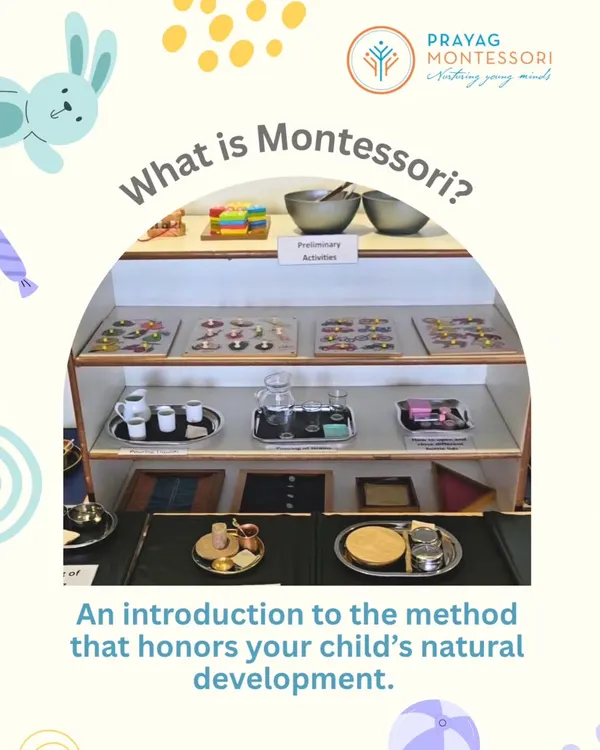 10
10
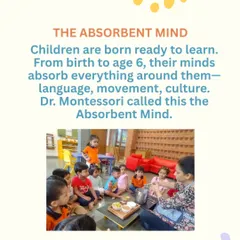
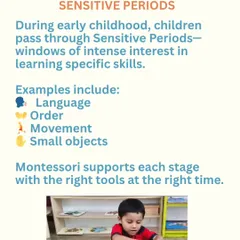
The Montessori Philosophy: How We Nurture Young Minds
 9
9
Our Montessori Philosophy: Nurturing Inner Development
 79
79
Our Core Montessori Principles and Teaching Approach
 61
61
Understanding the Montessori Philosophy for Parents
Our Montessori Philosophy
More from Workshops, Webinars & Conference Services by SchoolScape
More services by SchoolScape