Holding Power Accountable: High-Profile Legal Advocacy
When the system feels heavy, the Constitution remains our north star. I don't use muscle, I use solid legal arguments to challenge power, whether it is in the High Court or the Supreme Court.
The statement by a former Supreme Court judge in the Nirav Modi extradition case raised serious questions about the public perception of our justice system. It highlights the challenges in ensuring a fair trial in high-profile cases that are subject to intense media scrutiny.
My commentary on the Rhea Chakraborty case, where she stated she would not object to a CBI probe. This underscores a legal point: the decision to order a CBI investigation in such circumstances rests with the Supreme Court, not the accused.
I strongly support initiatives like this Public Interest Litigation seeking mandatory pre-litigation mediation. Adopting such procedures can significantly reduce the burden on our courts, speed up dispute resolution, and make justice more accessible for everyone.
The legal world has gone digital. Here I am during a virtual interview, discussing the evolving landscape of law and justice. Adapting to new technologies is essential for the continued functioning of our legal system.
The Supreme Court's decision to relax the dress code for advocates during the pandemic was a practical step. It also opened up a larger debate about whether certain colonial-era traditions in our legal system need to be re-evaluated.
About Holding Power Accountable: High-Profile Cases & Commentary
High-profile cases are not won with headlines, they are won in the filings and courtroom strategy. When handling matters of national importance or PILs, we focus on the 'Substantial Question of Law', which is the exact gap where the system fails. Whether we are challenging a tribunal order or pushing for pre-litigation mediation, the goal is the same: ensuring the law is not a tool for silence, but a mechanism for justice.
Beyond the Noise
There is a massive difference between the drama of a media trial and the hard work of a courtroom trial. In high-profile litigation, many get lost in the noise. My practice is built on avoiding that noise. Whether it involves filing Public Interest Litigations (PILs) to tackle corruption or defending individuals against the misuse of state machinery, my approach is grounded in the Constitution.
Why PILs and Constitutional Law Matter
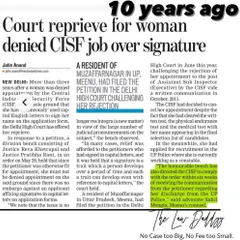
Filing a PIL is not just a legal formality. It is a tool for systemic change. When police or agencies overstep their authority, or when tribunals disregard natural justice, the Constitution provides the only real check on that power. I do not just file the papers. I appear in the Supreme Court and High Courts to argue for interim relief, stay on arrests, and ensure that the 'List of Dates' highlights the actual violations of your fundamental rights.
Making Law Understandable
I believe the law should not be rocket science. Too often, legal jargon is used to keep people in the dark. Whether it is an SLP (Special Leave Petition) before the Supreme Court or a High Court Writ Petition, my job is to explain the risk analysis to you in plain language. If you are facing a situation where your rights are being questioned, you deserve to know exactly where you stand, what the precedents are, and what the probability of success looks like.
We do not do shortcuts. We do thorough research, meticulous paperbook preparation, and sharp arguments.
Similar work from other experts
Browse through Curated picks from other experts on mytribe

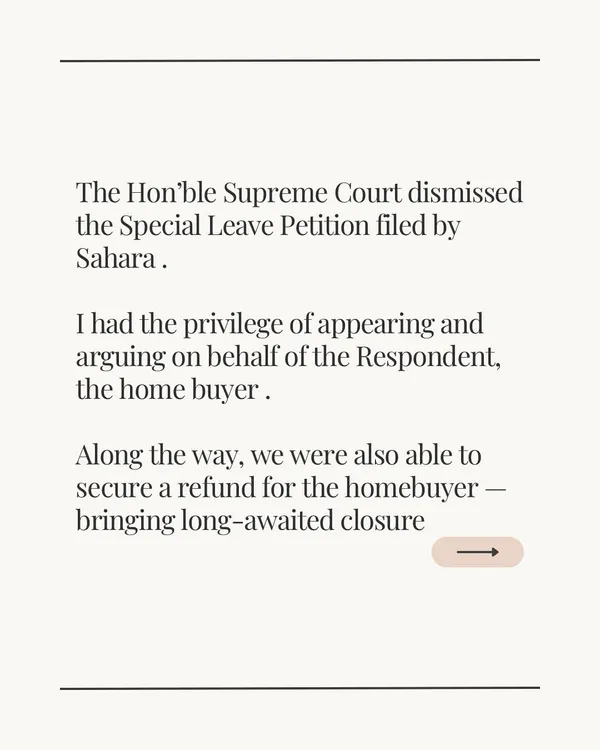
Strategic Legal Counsel for High-Stakes Litigation
 16
16

Supreme Court Representation & Litigation Services
 8
8

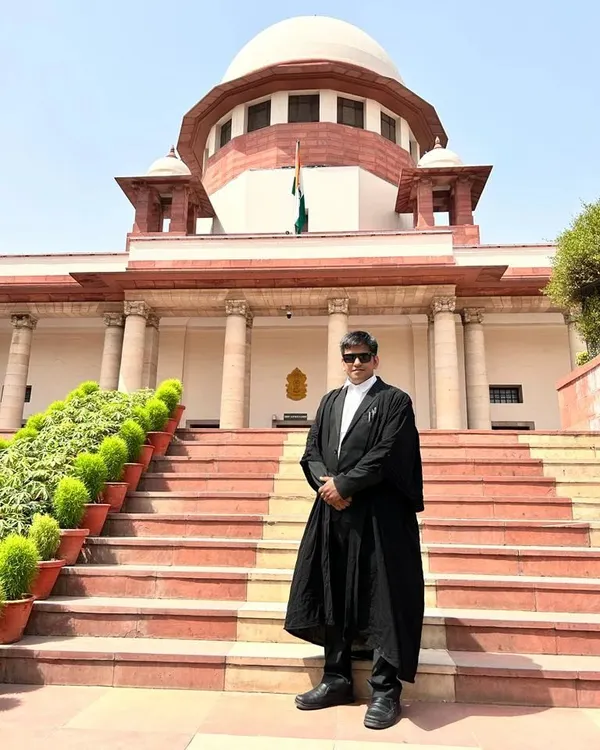
Strategic Legal Representation at the Supreme Court

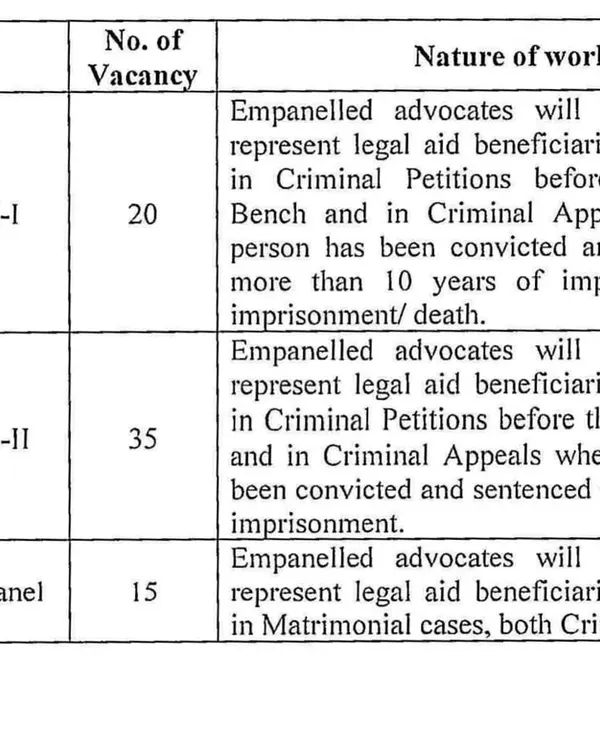
Legal Advocacy and Systemic Justice Reform
 29
29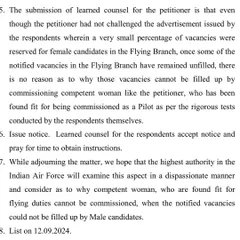

High Court Litigation & Service Law Representation
 7
7

High-Stakes Criminal Defense & Legal Strategy
More from Constitutional & Administrative Law by Kapil Sankhla
More services by Kapil Sankhla