Correct Your Form: Workout Tutorials
Fitness is not about how much weight you lift, but how you lift it. Here are the simple corrections that protect your joints and deliver real results.
Everyone thinks they know how to squat, but most don't engage their core correctly. I teach clients to push their upper body back when rising, which protects the lower back and makes the exercise far more effective.
Two common squat mistakes are not going deep enough and locking the knees at the top. I explain why deep squats are better for full leg development and how keeping a soft knee maintains muscle tension.
The biggest mistake in lunges is moving the pelvis. I teach clients to focus on dropping the back knee straight down. This stabilizes the pelvis and correctly targets the glutes and quads.
For effective lunges, I recommend a shorter stance and focusing on bending the back knee. This ensures the load stays on the muscles, not the joints, and is a safer way to perform the exercise at home.
Most people do planks with their hips too low, straining the back. The correct form involves lifting the hips slightly and squeezing the core, turning it into a powerful abdominal exercise.
Stop doing hundreds of fast leg raises. For them to work your lower abs, you need control. I show how to keep your head up, use your hands for support, and control the movement with your feet.
Doing standing side leg lifts for love handles is often unstable and ineffective. I show a better way: leaning against a support for balance, which allows for a greater range of motion and better muscle engagement.
People often swing the bamboo twist too far, losing tension on the obliques. The correct way is to keep the chest up and twist only until you feel a stretch in your side, keeping the muscle engaged throughout.
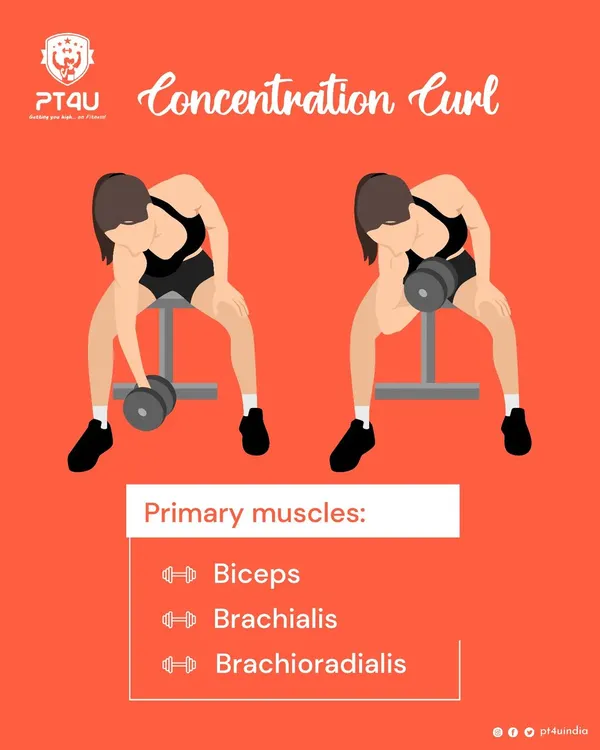
Don't just lift the weight; connect with the muscle. Here I correct the form for shoulder press and bicep curls, showing how to position the elbows and shoulders to maximize muscle activation with lighter weights.
A guide to the bent-over row. I explain the correct grip width, back posture, and range of motion to ensure you're building back thickness safely, with an option to use a bench for support if you have back concerns.
About Correct Your Form: Workout Tutorials
Most people think squatting deep is all it takes, but if you don't keep your knees soft at the top, you're just inviting knee pain. It is those small, quiet adjustments—like shifting your upper body back or engaging your core before you move—that actually protect your joints and ensure you hit the muscle properly. If you are training without this control, you are likely just going through the motions rather than getting results.
Fitness is not about how much weight you push; it is about how well your body handles that weight. Whether you are dealing with chronic joint pain, thyroid issues, or are just getting back into fitness after a break, the wrong form is the fastest way to get discouraged.
My approach is built on 'choti-choti rectifications' (small fixes). Often, clients come to me after months of gym work without results, only to find out they were compensating with the wrong muscle groups. For instance, in a simple lunge, shifting your pelvis back and forth wastes energy and strains the lower back. By focusing on keeping the pelvis stable and bending only at the knee, you isolate the glutes and quads effectively.
If you have PCOD or thyroid-related weight concerns, intense, poorly-formed movements can do more harm than good. I teach you how to modify movements for your specific needs, using minimal equipment like water bottles or chairs, right in your living room. We prioritize safety and consistency, not just heavy lifting. From fixing your bent-over row grip to ensuring your lateral raises do not use shoulder momentum, these videos are designed to act as your daily form check. If you find yourself hitting a plateau or feeling pain instead of progress, start by reviewing these adjustments.
Similar work from other experts
Browse through Curated picks from other experts on mytribe
Master Your Workout Form & Prevent Injury
Master Your Form: Exercise Tutorials
Exercise Tutorials: Master Your Gym Form
Master Your Form: Stop Guessing, Start Lifting Right
 8
8
Exercise Guides & Tips for Better Form and Strength
Master Proper Lifting Technique & Form
More from Fitness Coaching for Medical Conditions by Rajneesh Choudhary
More services by Rajneesh Choudhary