The Science of Athletic Performance Explained
Fitness is not just about sweat; it is about understanding how your body works. Explore our breakdown of sports science, from movement mechanics to recovery principles, designed to help you train with precision.
Hitting a performance plateau? This graphic introduces the core concepts of load, capacity, and recovery. Understanding how these three elements interact is the first step to breaking through and achieving consistent progress.
Breaking Down Linear Speed. This is the title card for our series on sprint mechanics. Speed isn't just about effort; it's about technique, and I break it down phase by phase to identify and fix leaks.
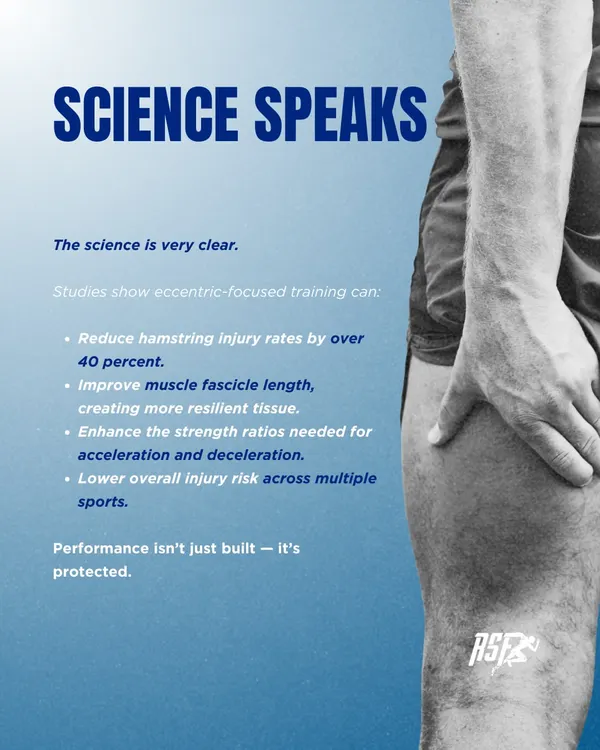
Eccentric Strength: The Missing Link in Injury Prevention. This infographic introduces the concept of eccentric muscle contractions, the controlled lengthening of a muscle, which is often overlooked but critical for absorbing force and preventing injuries.
Build Explosive Power with Fast Twitch Training. This graphic is the cover for our series on developing Type II muscle fibers, which are responsible for the sprints, jumps, and lifts that define athletic performance.
Knee Valgus in Athletes: What You Need to Know. This infographic introduces the topic of inward knee collapse, a common movement fault that can significantly increase injury risk if left unaddressed.
Weak shoulder? It's not just your rotator cuff. This image serves as the introduction to our deep dive on shoulder health, explaining that pain and weakness often stem from the entire shoulder girdle, not just one muscle group.
Discover the key strength methods for athletes. This graphic introduces our series on different training methodologies, from maximal effort to dynamic effort, and how they combine to build a well-rounded athlete.
Intensive vs. Extensive Plyometrics. This title card for our plyometrics series explains how I use different types of jump training to build both repeated power and resistance to fatigue, depending on the athlete's sport and goals.
Benefits of each Heart Rate Zone. This graphic introduces a series that breaks down what is happening in your body at each level of intensity, so you can train smarter for endurance, speed, or recovery.
The Anatomy of Knee Muscles. Understanding the structures that support and move the knee is the foundation of effective training and injury prevention. This series breaks down the key muscles and their functions.
About The Science of Performance (Educational Infographics)
Many athletes hit a performance plateau not because they lack effort, but because they are missing a specific variable in their programming. Whether it is neglecting eccentric load, failing to account for kinetic chain imbalances, or mismanaging recovery, these gaps in knowledge frequently lead to stagnation or avoidable injuries. My goal with this educational series is to bridge that gap, ensuring you understand exactly why you are performing a specific drill, rather than just how to execute it.
Training with Purpose
Blindly following a workout program is rarely efficient. True athletic development requires an understanding of how your body responds to stimuli. When you know the mechanism behind a movement—like why eccentric strength is crucial for force absorption or how knee valgus increases your ACL injury risk—you move with more intention.
Breaking Down the Mechanics
I break down complex topics into principles you can apply immediately:
- Kinetic Chain Awareness: We look at how movement faults in the foot or hip affect the knee or shoulder. Fixing a rotator cuff issue often means addressing thoracic mobility and scapular control, not just the joint itself.
- Load and Capacity: Progress is a math problem. If your training volume exceeds your body's capacity and recovery, you do not get stronger—you get burned out. We use metrics like Rate of Perceived Exertion (RPE) to keep you in the sweet spot for growth.
- Myth Busting: Training for female athletes is often oversimplified. We move past the trends and focus on how hormonal profiles affect individual energy levels, rejecting blanket rules that suggest stopping training for half the month.
The RSF Philosophy
My approach is built on testing, not guessing. Whether you are a youth player learning fundamental movement patterns or a competitive athlete needing explosive power, the foundation remains the same: data-driven training. We utilize force plates and dynamometers to establish baselines, then build a program specific to your biomechanics. When you train at our Koramangala or Jayamahal centers, you get more than a workout; you get a curriculum designed to future-proof your body against injury and maximize your performance output.
Similar work from other experts
Browse through Curated picks from other experts on mytribe
 107
107

The RSF Method: Science-Based Performance Training
Science-Backed Fitness Education & Form Correction
My Fitness Philosophy: Learn the Why Behind Your Training
Science-Based Exercise Technique and Biomechanics Breakdowns
The Science of Fitness: Training and Nutrition Explained
 11
11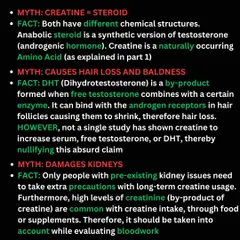
Fitness Education: Master Technique and Science-Based Training
More from Strength & Conditioning for Athletes by Rapid Sport Fitness