The Science of Athletic Performance
Stop guessing your progress. I use biomechanics and data-driven assessments to move you beyond standard lifting, focusing on true athletic readiness.
Can lighter movements make you stronger in heavy lifts? I discuss the concept of complex training and post-activation potentiation, exploring how we can use a lighter, faster movement to prime the neuromuscular system for a better back squat.
Plyometrics are more than just forceful box jumps. I explain how low-level plyometrics like hops and bounding are crucial for training rhythm, coordination, and the nervous system's ability to use elastic energy, which are often overlooked aspects of power development.
The debate around training before game day is a common one. I explain my approach to 'Priming', focusing on how clear communication helps athletes understand that these sessions are designed to enhance performance, not cause soreness.
Is a priming session just about being explosive? I dive deeper into what a typical pre-game priming session looks like, clarifying its purpose and how it differs from a traditional, high-volume workout.
This video explores the tangible effects of a well-executed priming session. We look at how these targeted workouts can make an athlete feel sharper, more coordinated, and psychologically ready for competition.
How do we know if an athlete is truly improving? I introduce the concept of using both subjective and objective measures within the training program itself, moving beyond just formal fitness tests.
In this segment, I explain subjective measures of athletic progress. A coach's trained eye can notice improvements in movement speed, better form under load, and quicker recovery between sets, all indicating positive adaptation.
Following up on subjective measures, I detail objective ways to track progress. We can use data from fitness watches to monitor heart rate recovery or time reps during plyometric drills to get clear, undeniable proof of improvement.
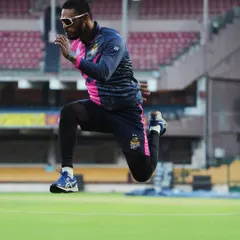
Even a simple vertical jump can be a powerful assessment tool. By analyzing the movement in slow motion, we can observe subtle differences in foot reactivity, giving us valuable insights into an athlete's neuromuscular patterns.
Why is a sprinter's stride wider during acceleration? I break down the biomechanics, explaining how a wider foot contact is necessary to clear the free leg and create the rotational forces needed for maximum power out of the blocks.
About The Science of Performance
Most programs stop at sets and reps, but your potential lies in your neuromuscular readiness. I use techniques like Velocity Based Training (VBT) to measure bar speed in real-time, ensuring we are training for explosive power, not just hitting fatigue. If your current routine leaves you feeling drained rather than sharper, let’s look at your movement data together.
True athletic performance isn't just about moving heavy iron; it is about how you move under load. My approach is built on ongoing assessment—using slow-motion video analysis to spot imbalances in foot reactivity or stride mechanics that standard coaching often misses.
Why the 'Why' Matters
When you understand the science of your movement, you become an active partner in your own training. We don't just follow a generic plan. We look at:
- Biomechanics & Neuromuscular Science: Understanding why a wider stride during acceleration is necessary to create rotation or how to use elastic energy effectively.
- Velocity Based Training (VBT): We track your bar speed (m/s) to ensure you are training at the right intensity. If the speed drops, the stimulus is wrong. Data doesn't lie.
- Game Day Priming: We move away from the high-volume 'burnout' mentality. Pre-competition sessions are about CNS readiness—making you feel sharp, powerful, and primed, not sore.
Injury Resilience
My job is to keep you on the field, not just in the gym. I integrate ELDOA protocols and myofascial stretching to decompress joints and create space in the body. This isn't just 'stretching'—it is systematic maintenance for an antifragile physique.
Whether you are an elite athlete aiming for the next level or a dedicated amateur, we will break down your performance markers objectively. If you are ready to stop guessing and start measuring, let's look at where your training gaps are.
Similar work from other experts
Browse through Curated picks from other experts on mytribe
 6
6
Science-Based Athlete Coaching and Performance Training
High Performance Athlete Coaching & Sport Science
 8
8

High-Performance Athletic Training: Science-Backed Results
Science-Based Exercise Technique and Biomechanics Breakdowns
Advanced Strength & Power Training
The Science Behind Real Strength Gains
More from Strength & Conditioning for Athletes by Pratyush Agrawal
More services by Pratyush Agrawal