Build Real Athletic Power: Foundational Strength Training
True athletic ability is built on a rock-solid foundation. We focus on mastering core compound movements and Olympic lifting mechanics to develop power that actually translates to the field.
A heavy box squat in action, with me providing a close spot. This exercise is fundamental for developing lower body power and stability, and I ensure every rep is performed with precision and safety.
An athlete performs a heavy back squat in the rack. This is the cornerstone of strength development, building the raw power that translates directly to improved performance on the cricket field.
Coaching a heavy back squat with an athlete using heel elevation to improve depth and posture. My hands-on approach ensures that even during maximal effort lifts, technique is never compromised.
An athlete executes a perfect overhead squat, a challenging movement that tests mobility, stability, and total-body strength. I am observing closely to provide immediate feedback on form.
This clip shows the combination of strength and power, moving from a heavy front squat to an explosive seated box jump. This contrast training helps bridge the gap between lifting heavy and moving fast.
An athlete performs a deadlift while I watch his form intently. The deadlift is a crucial full-body exercise for developing the posterior chain, essential for running, jumping, and throwing power.
Here, I am coaching a single-leg Romanian deadlift. This variation is excellent for improving hamstring strength, balance, and addressing asymmetries between the left and right sides of the body.
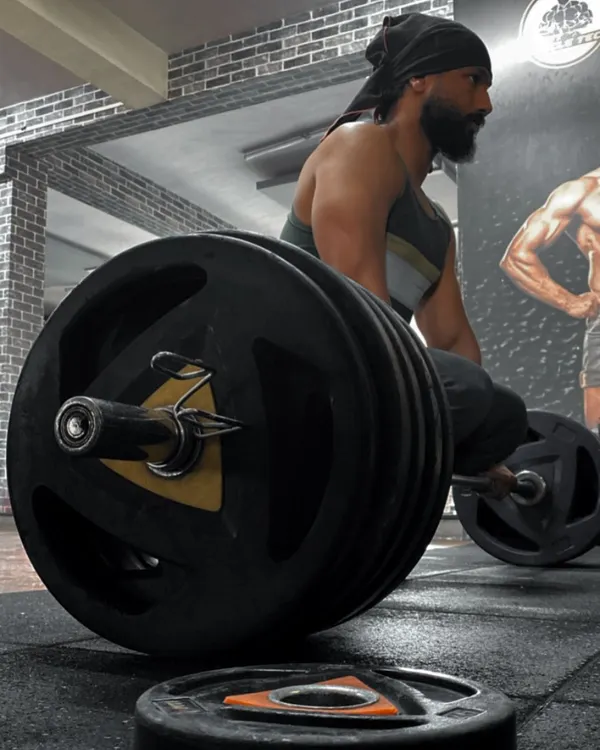
An athlete prepares for a power clean. This starting position is critical for generating force from the ground up, a key component of Olympic weightlifting that I incorporate to build explosive power.
The same athlete at the top of the clean, demonstrating powerful hip extension. My coaching ensures athletes master these technical lifts safely and effectively.
A dynamic training montage showing an athlete moving from a powerful overhead snatch to explosive push-ups. This showcases the blend of strength, speed, and bodyweight mastery we aim for.
About Building Foundational Strength
Real strength isn't just about moving the heaviest weight; it's about how you move under load. During our sessions, we don't just count reps. I use real-time video analysis and ongoing assessment to adjust your shin angles, hip depth, and spinal posture. If you aren't feeling the muscle working where it should, we tweak the technique immediately until your movement is efficient and safe.
Building foundational strength is the primary engine for athletic development. Whether you are aiming to increase your vertical jump or improve your sprint times, you need to develop absolute strength through structural loading.
The Science of the Lift
We prioritize the big rocks: Squats, Deadlifts, and Overhead Presses. These movements engage the entire posterior chain, creating the necessary tension and stability required for high-level sports. My approach involves:
- Olympic Lifting Mechanics: We break down the Clean & Jerk and Snatch. These aren't just gym exercises; they are technical drills that teach your nervous system to produce force rapidly.
- Load Management: We use velocity-based training metrics to ensure you aren't just grinding through sets. You lift based on your readiness for that day.
- Corrective Integration: You will see heel elevation, banded work, and myofascial release embedded in your strength blocks. This keeps you antifragile, allowing you to train hard without getting sidelined by common overuse injuries.
Why Technique Matters
Many athletes hit a plateau because they treat strength training as a generic task. If your squat mechanics are flawed, you cannot transfer force efficiently into a jump or a sprint. I work with you to understand the 'why'—why we use a specific stance, why we pause at the bottom, and how these details build a more resilient, explosive athlete. We don't just build muscle; we build the ability to use it under pressure.
Similar work from other experts
Browse through Curated picks from other experts on mytribe
Master Foundational Strength with Compound Lifts
 6
6Build Raw Strength and Master Powerlifting
Foundational Strength Training with Velocity-Based Coaching in Bengaluru
Foundational Strength: Squats, Deadlifts & Presses
Build Raw Strength: Honest Heavy Lifting Coaching
The Big Lifts: Master Squat, Bench, and Deadlift
More from Strength & Conditioning for Athletes by Pratyush Agrawal
More services by Pratyush Agrawal