Understanding Court Orders and Legal Documents
Court orders can feel like a foreign language. I break down writs, injunctions, and stay orders into plain English so you know exactly how to use them to protect your rights.
A writ is a formal written order issued by a higher court, like the Supreme Court or a High Court, to enforce fundamental rights or for other legal purposes.
Writs are legal remedies available under Article 32 and Article 226 of the Constitution to safeguard individual rights against violations by the state or other bodies.
Article 226 gives High Courts a wider scope than Article 32, allowing them to issue writs not just for fundamental rights but for "any other purpose."
The issuance of writs is governed by judicial discretion and principles laid down in landmark cases that have defined the contours of writ jurisdiction.
Habeas Corpus, meaning "to have the body," is a writ issued to produce a person before the court and release them from unlawful detention.
Mandamus is a writ issued to compel a lower court, tribunal, or public authority to perform a mandatory public duty they have failed to carry out.
Prohibition is a preventive writ issued by a higher court to a lower court, directing it not to proceed with a case that falls outside its jurisdiction.
Certiorari is a corrective writ used to quash the orders of a lower court or tribunal when they have exceeded their jurisdiction or made a legal error.
Quo Warranto is a writ issued to challenge the legal right of a person to hold a public office to which they are not entitled.
An injunction is a court order that directs a person or entity to either perform a specific act or refrain from doing a particular act to prevent harm or enforce rights.
About Understanding Court Orders and Legal Documents
Getting an injunction or a stay order is often a race against time. The court needs to see immediate urgency, which means your paperwork must be impeccable from the start. I help clients draft these documents specifically to withstand the initial scrutiny of a magistrate, ensuring your case has a solid foundation before it reaches the first hearing.
Navigating Legal Procedures
Legal proceedings are essentially a series of documents and arguments. Whether you are dealing with a property dispute or a criminal matter, your ability to secure a favorable outcome often depends on how accurately your legal requests are drafted.
Why Documents Matter
Many people underestimate the importance of an affidavit. It is a sworn statement, and errors here can derail your case. My work involves ensuring that every document, from a simple legal notice to a complex writ petition, is precise.
Understanding Injunctions and Stay Orders
An injunction is a protective shield. When you file for one, you are asking the court to maintain the status quo—effectively freezing a situation until the merits of the case can be heard. This is common in:
- Property Disputes: Preventing illegal construction or asset disposal.
- Intellectual Property: Stopping the infringement of copyrights or patents.
- Harassment Cases: Directing a party to refrain from specific acts.
Writ Jurisdiction
Under Articles 32 and 226 of the Constitution, courts have the power to issue writs. This is a mechanism to enforce fundamental rights. Understanding whether you need to approach the High Court or the Supreme Court is the first step in effective legal action.
I focus on providing practical, jargon-free explanations of these procedures. My objective is to remove the intimidation factor from the judicial process, allowing you to make informed decisions about your own legal strategy.
Similar work from other experts
Browse through Curated picks from other experts on mytribe
Know Your Rights: Essential Legal Explainers
Demystifying Legal Procedures for Clearer Justice
 4
4
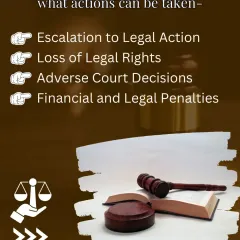
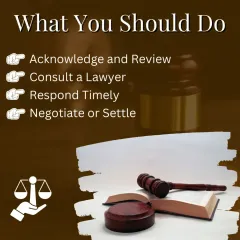
What to Do When You Receive a Legal Notice
Legal Updates and Recent Court Judgments Explained
Understanding Criminal Law & Court Procedure
Navigating Court Procedures & New Laws
More from Specialized Legal Procedures by Prateek Chandramouli
More services by Prateek Chandramouli