Understanding Criminal Law & Court Procedure
The legal system can feel intimidating, but you have rights. I break down FIR procedures, police interaction, and court processes in simple, actionable terms to help you stay ahead.
The Indian Penal Code (IPC) and Criminal Procedure Code (CrPC) have been replaced by new laws. This video provides a quick overview of the major changes in the Bhartiya Nagrik Suraksha Sanhita, including new sections and key procedural shifts like e-filing of FIRs.
This infographic highlights the major changes in the new criminal laws, including the introduction of trial in absentia, compulsory videography during search and seizure, and a fixed 90-day limit for filing a charge sheet.
The police are not legally bound to provide you with a copy of a complaint before an FIR is registered. I explain your rights in this situation and how you can use an RTI application, especially in CAW cell cases, to obtain a copy of the complaint.
If a police officer repeatedly fails to appear in your court case, causing delays, you have recourse. I explain how you can request the court to summon the officer's duty roster or use RTI to prove their absence was intentional, helping to combat harassment.
If the accused in a check bounce case passes away during the trial, the criminal proceedings end. I explain that the criminal liability cannot be transferred to the legal heirs, and the complainant must file a separate civil recovery suit to claim the money.
In a check bounce case, if the accused claims the signature on the check is not theirs, they have the right to request a handwriting expert's analysis. I explain the legal basis for this and why it is a crucial part of ensuring a fair trial.
Citing the N. Subbarao v. Nageshwar Rao Supreme Court judgment, I explain the important role of a handwriting expert in a cheque bounce case. Denying this opportunity to the accused can be a violation of their fundamental right to a fair trial.
This infographic explains the different categories of illegal drugs under the NDPS Act. It details the small, non-commercial, and commercial quantities for substances like heroin, opium, and ganja, and the corresponding punishments for possession.
Did you know that bhang is legal in India, while ganja and charas are not, even though they come from the same cannabis plant? I explain the distinction made in the NDPS Act, which bans the flowers and resins but not the leaves and stems of the plant.
While the sale, production, and import of e-cigarettes and vapes are illegal in India, using them is not an arrestable offense. I clarify the law, explaining that at most, the police can issue a challan for personal use.
About Criminal Law & Court Procedure
The police are not legally required to give you a copy of a complaint before an FIR is officially registered. Many people wait, hoping for a copy, only to find themselves caught off guard. I help you understand exactly when you can use tools like RTI to track inquiries or how to approach a case if an FIR has already been lodged against you.
Criminal law is often shrouded in mystery, leading to unnecessary panic. Whether it is understanding the shift from the old IPC to the new criminal codes like the Bhartiya Nagrik Suraksha Sanhita, or knowing how to handle a police notice, knowledge is your best defense.
Knowing the Procedure
Most legal harassment happens during the pre-trial stage. If you have been called to the police station or are facing a check bounce case, there are specific steps you must take to protect your position. For example, in a check bounce (Section 138 of the NI Act), proving that you did not sign the document is a distinct process involving handwriting experts—it is not just a verbal argument in front of the judge.
Dealing with Court Delays
It is common for police officials to delay trials by missing dates. I have seen how this affects clients. If a police officer is repeatedly absent, there are ways to verify their duty roster or request the court to take action, rather than just waiting for the next date.
My Approach
I don’t just give advice; I explain the 'why' behind the law.
- Bail conditions: Understand what the judge actually expects from you when you are granted bail.
- Police Interaction: Learn the limits of police authority, especially regarding FIRs and complaints.
- New Criminal Laws: Get updates on the latest changes to the criminal code so you know how it impacts your pending or potential cases.
If you are stuck in a cycle of court dates or are worried about a legal notice, let's look at the facts of your case. No drama, just legal reality.
Similar work from other experts
Browse through Curated picks from other experts on mytribe
 7
7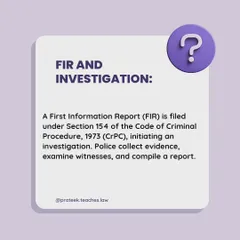
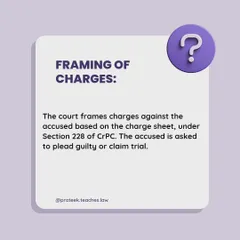
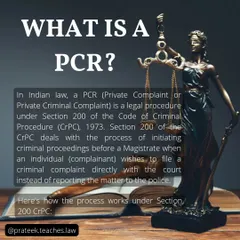
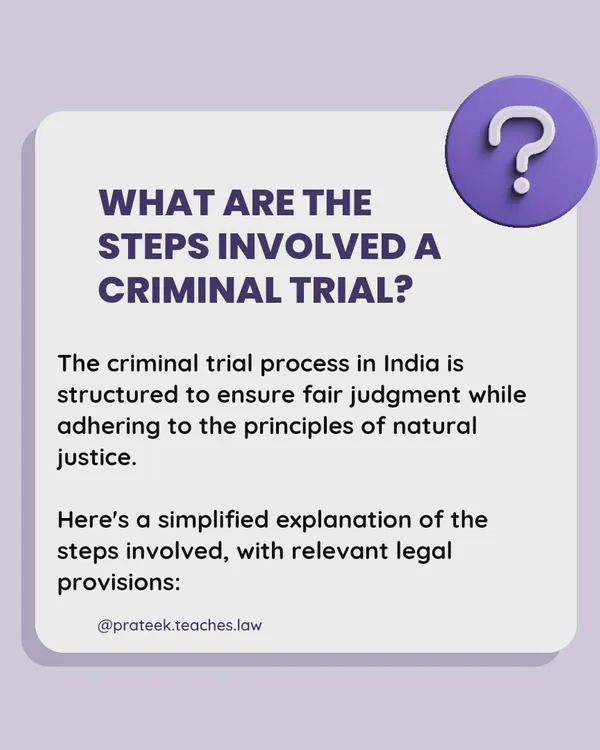
Understanding the Indian Criminal Justice Process
Know Your Rights: Police & Court Procedures
 17
17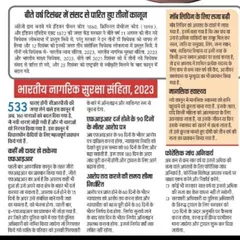

Know the Law: Legal Procedures & Rights in India
Navigating Criminal Law in India
Criminal Law Explained: Understand Your Rights and Procedures
Know Your Rights: Legal Explainers for Real-Life Situations
More from Legal Education & Awareness Programs by Karan Bajaj
More services by Karan Bajaj