Property and Tenancy Law Guidance in Bengaluru
Practical, clear advice on navigating property transactions, rental disputes, and ownership laws in India without the legal jargon.
It is important to understand the key difference between an "agreement to sell" and a "sale deed" as they represent different stages of a property transaction.
An agreement to sell is a preliminary contract that outlines the terms and conditions of a future sale, creating an obligation for both parties to complete the transaction.
A sale deed, or conveyance deed, is the final legal document that formally transfers property ownership from the seller to the buyer, completing the transaction.
In summary, the agreement to sell sets the stage for the sale, while the sale deed is the final document that legally completes the ownership transfer.
The terms "ejection" and "eviction" are often used interchangeably, but they have distinct legal meanings in property law. Here are the key differences.
Both "ejectment" and "eviction" refer to the legal process of removing an occupant from a property, but their application depends on the occupant's legal right to be there.
Eviction specifically refers to a landlord removing a tenant for violating a lease agreement, such as non-payment of rent or causing damage to the property.
Ejectment is a broader term for removing an occupant who has no legal right or title to the property, such as a squatter or someone remaining after a lease ends.
The main difference lies in the occupant's relationship to the property. Eviction involves a landlord-tenant relationship, while ejectment deals with occupants with no legal title.
To evict a tenant, a landlord must have lawful grounds as specified under the relevant state's Rent Control Act, such as non-payment of rent or breach of tenancy terms.
About Property & Tenancy Law Explained
Many clients mistake an agreement to sell for a final sale deed. An agreement creates an obligation to complete a transaction, but the sale deed is the only document that legally transfers title to your name. If you are entering any property transaction, ensuring your paperwork is legally precise at every stage is the only way to protect your investment.
Understanding property law requires attention to detail, especially regarding the difference between preliminary contracts and final legal instruments.
Sale Deeds vs. Agreements
The most common point of confusion I encounter is the distinction between an agreement to sell and a sale deed. An agreement to sell establishes a contract for a future transaction, setting out terms like payment and possession. It creates an obligation for both parties. However, it does not transfer ownership. The sale deed, or conveyance deed, is the instrument that formally transfers title and must be registered to be legally enforceable. Skipping the registration of a sale deed is a significant error that often leads to complex property disputes.
Navigating Tenancy Disputes
Eviction is often misunderstood as a simple process of asking a tenant to leave. In legal terms, the process is governed by specific statutes, such as the Karnataka Rent Control Act. You must have valid grounds for eviction, such as non-payment of rent, breach of tenancy terms, or personal requirement of the premises.
The process follows a strict sequence:
- Issuing Notice: Sending a formal eviction notice under Section 106 of the Transfer of Property Act, 1882, providing the statutory 30-day window to vacate.
- Filing Petition: If the tenant remains, filing an eviction petition in the jurisdictional court.
- Court Order: Obtaining a formal court order for eviction.
Ejectment, meanwhile, deals with unauthorized occupants like squatters who never had a legal title to the property. Understanding whether you are dealing with an eviction or an ejectment case is the first step in formulating a successful legal strategy.
Similar work from other experts
Browse through Curated picks from other experts on mytribe
Property Law Explained: Protect Your Rights and Assets

Featured Property Law Insights for Bangalore
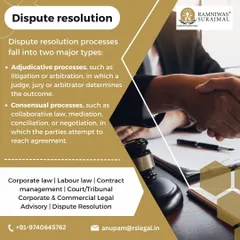

Legal Guidance & Dispute Resolution in Bengaluru
Property Law: Secure Your Assets
 7
7


Property Legal Advisory & Document Services
 7
7


Landlord & Tenant Dispute Resolution
More from Specialized Legal Procedures by Prateek Chandramouli
More services by Prateek Chandramouli