Understanding Indian Legal Procedures & Concepts
Complex legal concepts do not need to be confusing. Whether you are curious about your constitutional rights or want to know how mediation works, I break down the basics here.
Mediation is a voluntary and confidential process where a neutral third party helps disputing parties reach a mutually acceptable resolution, often used in marital disputes.
Mediation is generally more cost-effective and time-efficient compared to court litigation, as it avoids lengthy schedules and formal procedures.
Mediation allows couples to maintain control over the outcome and actively participate in the decision-making process, ensuring their interests are considered.
Mediation provides a confidential setting where parties can openly discuss their concerns without the fear of public exposure or harm to their reputation.
Mediation focuses on cooperative problem-solving, which can help preserve relationships. This is particularly important in family matters.
In cases involving children, mediation places a strong emphasis on their best interests, allowing parents to create custody plans together.
It is important to note that mediation may not be suitable for all marital disputes, especially in cases involving domestic violence or power imbalances.
The Kesavananda Bharati v. State of Kerala (1973) case established the "basic structure" doctrine, limiting Parliament's power to amend the Constitution's fundamental features.
In Maneka Gandhi v. Union of India (1978), the Supreme Court expanded the right to personal liberty, ruling that legal procedures must be fair, just, and reasonable.
A writ is a written order from a higher court to a lower court or public official. There are five types of writs available in India to safeguard rights.
About Additional Legal Explainers
Understanding legal mechanisms like writs or mediation before you walk into a courtroom changes how you approach your case. I see many people waste time on litigation when their problem could be solved through structured dispute resolution or by simply knowing which writ to file, saving months of stress and unnecessary legal costs.
Legal systems often feel like a maze, but knowing the foundational principles puts you back in the driver's seat. Whether you are dealing with a property dispute or facing a constitutional issue, the right information determines your next move.
Alternative Dispute Resolution: Mediation
Many people assume litigation is the only path. Mediation offers a confidential, cost-effective way to resolve marital or commercial disputes without the public glare of a courtroom. It works best when both parties have a genuine intent to reach a settlement. It is not, however, a substitute for legal advice in cases involving criminal conduct or severe power imbalances.
The Power of Writs
If your fundamental rights are violated, the Constitution provides powerful tools known as writs. You might know Habeas Corpus for unlawful detention or Mandamus to compel an official duty, but knowing when to file which type is crucial. These are specific interventions used when ordinary legal remedies have failed or are unavailable.
Landmark Cases
Understanding why the law is the way it is helps you anticipate outcomes. Cases like Kesavananda Bharati, which defined the basic structure doctrine, or Maneka Gandhi, which expanded Article 21, are not just history lessons. They form the bedrock of how courts interpret your personal liberty and rights today.
If you are stuck on a specific procedure or want to understand how a recent court order impacts your life, reach out. We can discuss your situation, look at the legal framework relevant to your problem, and map out a practical strategy.
Similar work from other experts
Browse through Curated picks from other experts on mytribe
Decoding Indian Law & Current Affairs
Know Your Legal Rights: Expert Guidance by Advocate Kanika Bhardwaj
Legal Analysis of Current Events and Trending News in India
Demystifying Legal Procedures for Clearer Justice
Legal System Explained: Demystifying Indian Law
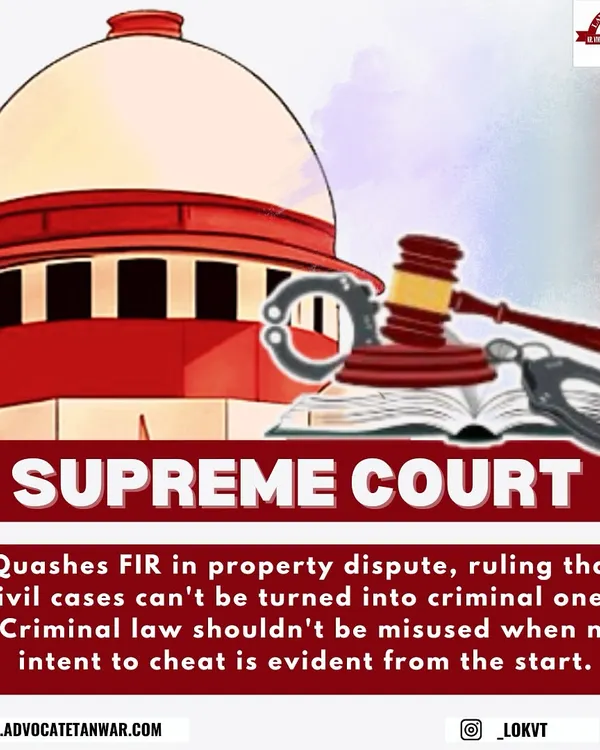 56
56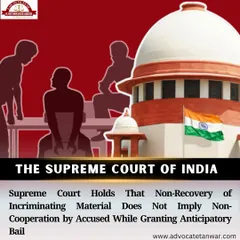
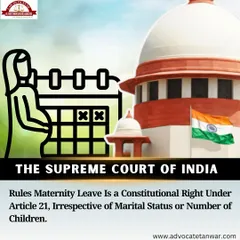
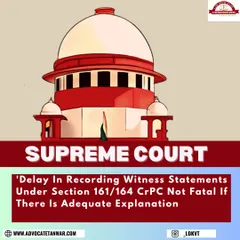
Legal Insights: Analysis of Key Court Rulings
More from Specialized Legal Procedures by Prateek Chandramouli
More services by Prateek Chandramouli