Decoding Indian Law & Current Affairs
Law shouldn't feel like a maze of complex jargon. I break down landmark judgments, constitutional updates, and everyday legal concepts into simple, actionable insights for everyone.
The Supreme Court has delivered many landmark judgments that have shaped India. In this video, I briefly touch upon five of these pivotal cases, including Kesavananda Bharati and Vishakha, which have had a lasting impact on our fundamental rights and legal system.
Writs are powerful tools that citizens can use to enforce their fundamental rights. I explain the five types of writs available under the Indian Constitution, such as Habeas Corpus and Mandamus, and how they function as remedies against violations by the state.
The Indian Constitution is a remarkable document with many unique characteristics. I highlight some of its salient features, such as its length, the parliamentary form of government it establishes, and the principle of universal adult franchise.
Tribunals are special judicial bodies created to provide speedy justice in specific areas. I explain the different types of tribunals in India, such as the National Green Tribunal (NGT) and the Debt Recovery Tribunal (DRT), and the roles they play.
We celebrate Constitution Day, or Samvidhan Divas, on November 26th. This day commemorates the adoption of the Constitution of India in 1949 and honors the incredible work of its drafting committee, chaired by Dr. B. R. Ambedkar.
Legal maxims are principles, often in Latin, that guide legal interpretation. I explain the meanings of some common maxims like 'Ex parte' (proceedings in the absence of a party) and 'Mala fide' (in bad faith) to help demystify legal language.
Here are a few more important legal maxims explained in simple terms. Understanding concepts like 'Actus reus' (guilty act) and 'Res ipsa loquitur' (the thing speaks for itself) is fundamental to grasping the logic behind legal arguments.
The legal world is full of abbreviations that can be confusing for students. I've put together a short list of common legal abbreviations like NBW (Non-Bailable Warrant) and PE (Plaintiff Evidence) to help you get familiar with the terminology.
What is a Lok Adalat? It literally means 'People's Court' and is a forum for settling disputes amicably before they go through a full trial. I explain how it works and the types of cases, like matrimonial or bank recovery cases, that it handles.
The Delhi State Legal Services Authority regularly organizes National Lok Adalats. This is an excellent opportunity for the amicable settlement of various civil and compoundable criminal cases, including traffic challans, helping to reduce the burden on courts.
About Decoding Indian Law & Current Affairs
I don't believe in using heavy legal Latin to explain your rights. Whether I'm simplifying a Supreme Court verdict or explaining the difference between 'de facto' and 'de jure', my goal is to give you the plain-English version that you can actually use. If you are confused by a specific law or need help understanding your position in a legal dispute, ask me—I make the law accessible, not just informative.
Law Made Simple for Everyone
Legal knowledge is a tool, not a privilege reserved for law students. My content is designed to pull back the curtain on how the Indian legal system actually functions. From unpacking the basics of the Constitution to analyzing recent high-profile cases like the Karnataka hijab ban or the Aligarh murder investigation, I focus on the 'why' and the 'how' behind the headlines.
Why I Create This Content
- For the Curious Citizen: Understanding your rights—like what a Writ of Habeas Corpus actually means for your fundamental freedoms—is vital for navigating daily life in India.
- For Students & Aspirants: If you are prepping for the AIBE or studying for your LL.B, I break down complex procedures and legal abbreviations into bite-sized summaries.
- For Real-World Clarity: I take the 'scary' out of court documents. Whether it's explaining how a Lok Adalat can settle your case amicably without a full trial, or identifying the difference between tribunals and traditional courts, I want you to feel empowered.
My Practice Beyond the Camera
While I love simplifying the law for my online community, I am a practicing advocate in Delhi. I handle civil litigation, family law, and consumer disputes. Content creation is how I reach many, but my legal practice is where I get to apply these principles to fight for justice for my clients. If you have a specific legal problem—whether it's a family matter or a consumer issue—I bring the same direct, hard-working, and honest approach to your case that you see in my videos.
Similar work from other experts
Browse through Curated picks from other experts on mytribe
Legal Lens on Current Events: Understand Indian Law Simply
Legal News Decoded: Trending Cases and Updates Simply Explained
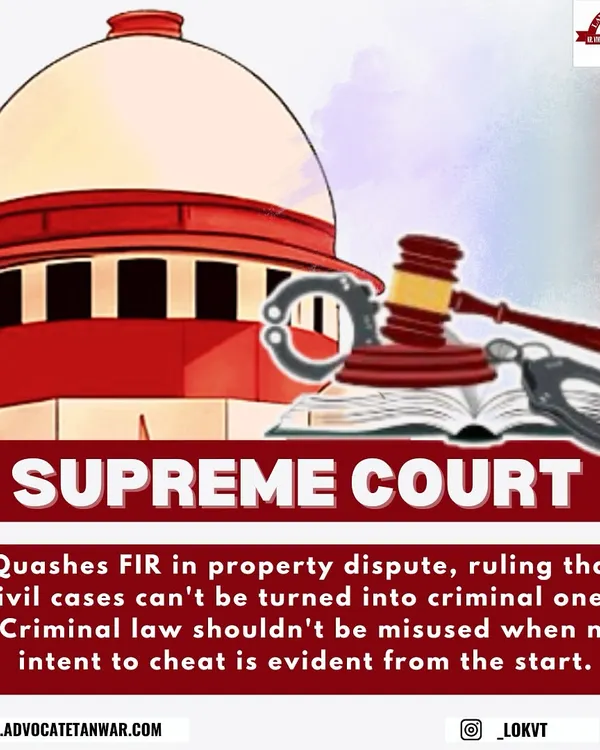 56
56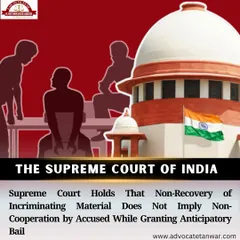
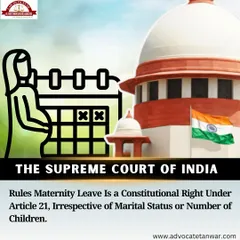
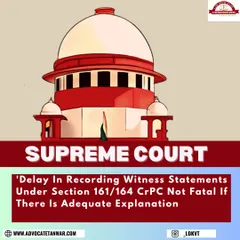
Legal Insights: Analysis of Key Court Rulings
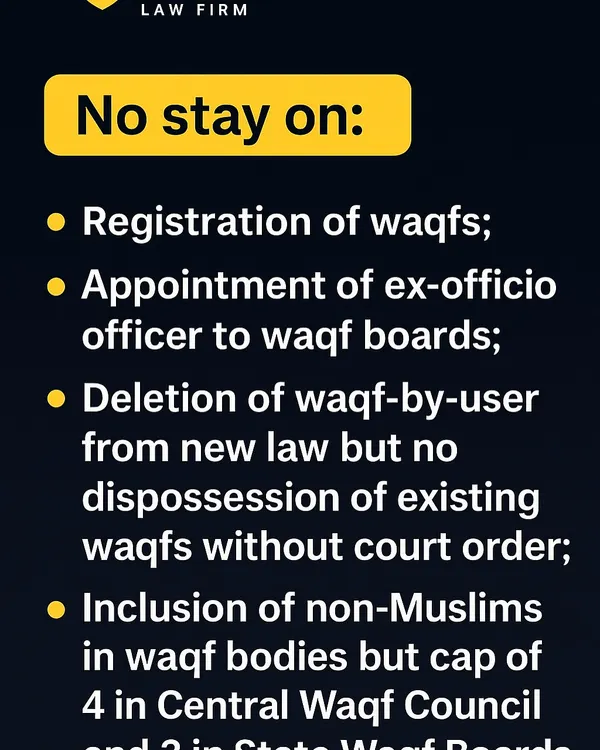 4
4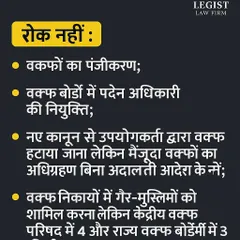
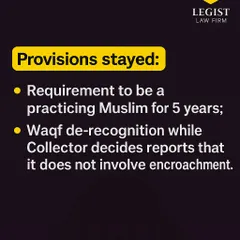
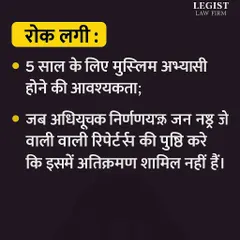
Legal Updates and Court Judgement Analysis
 7
7

Landmark Legal Cases and Supreme Court Judgments Explained
 24
24
Legal Insights & Landmark Judgments
More from Legal Content Creation by Vaishali Chhabra
More services by Vaishali Chhabra