The Art of Traditional Homemade Pickles and Murabba
Step into my kitchen to see how I make every batch of pickles and murabba using fresh ingredients, slow-cooking methods, and zero chemicals.
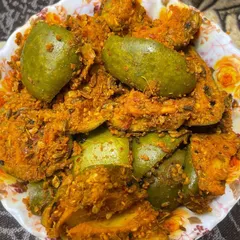
See the love and care that goes into each jar. The process starts with selecting fresh raw mangoes, which are then washed, peeled, and cooked with my special masalas. It's a journey of flavor, ending with a delicious jar of pickle.
See the love and care that goes into each jar. The process starts with selecting fresh raw mangoes, which are then washed, peeled, and cooked with my special masalas. It's a journey of flavor, ending with a delicious jar of pickle.
See the love and care that goes into each jar. The process starts with selecting fresh raw mangoes, which are then washed, peeled, and cooked with my special masalas. It's a journey of flavor, ending with a delicious jar of pickle.
Here you can see my Amla Murabba being slow-cooked in a large pot. I stir it gently to ensure every piece of grated amla soaks up the sweet syrup, resulting in a jammy, delicious, and healthy preserve.
Here you can see my Amla Murabba being slow-cooked in a large pot. I stir it gently to ensure every piece of grated amla soaks up the sweet syrup, resulting in a jammy, delicious, and healthy preserve.
Here you can see my Amla Murabba being slow-cooked in a large pot. I stir it gently to ensure every piece of grated amla soaks up the sweet syrup, resulting in a jammy, delicious, and healthy preserve.
About From My Kitchen to Yours: The Making Of
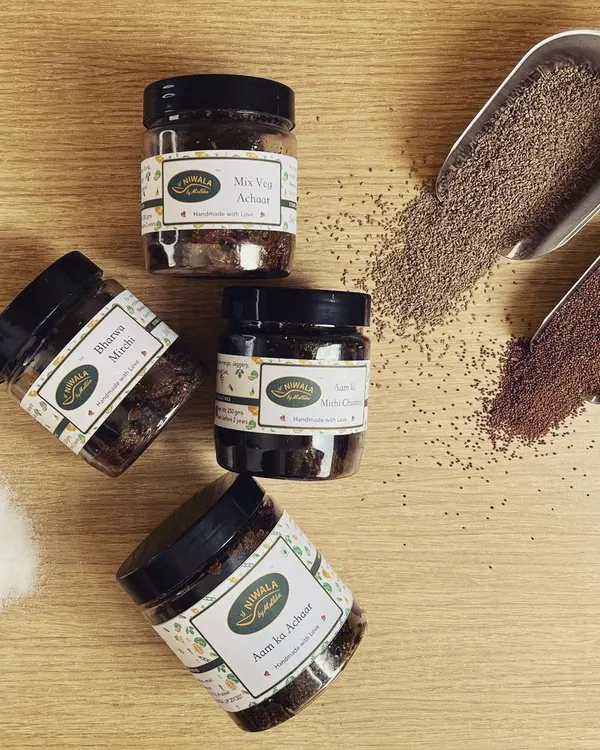
I don't use factory machinery. Every batch, whether it is the Aam Mastana or the Amla Murabba, is slow-cooked on a standard stove in my home kitchen. You won't find any preservatives like Sodium Benzoate here, just high-quality sugar or natural spices to keep things fresh. It takes more time, but that is the only way to get the real texture and taste that store-bought jars simply cannot match.
Why 'Made from Scratch' Matters
When you buy from a large manufacturer, the focus is on shelf life, which often means adding artificial chemicals and preservatives. In my kitchen, the focus is entirely on the 'ghar ka swad' (taste of home).
The Process:
- Slow-Cooking: I use the traditional slow-flame method for my murabbas. This ensures the syrup penetrates deep into the fruit, making the Amla or Mango pieces juicy and translucent rather than hard or rubbery.
- **Hand-Pounded Spices: I don't use pre-packaged spice mixes. I grind everything myself. This releases the essential oils and gives that strong, authentic aroma that hits you as soon as you open the lid.
- Small Batches: I make everything in small, seasonal batches. This means you are never eating something that has been sitting in a warehouse for months. It is fresh, home-cooked, and packed with care.
Common Questions:
- Why is the texture different sometimes? Because I don't use artificial stabilizers, the colour and texture of the fruit might vary slightly by season. That is natural.
- How long does it last? My pickles and murabbas stay good for 9 to 12 months in a dry place, thanks to the high concentration of natural preservatives like salt, oil, and sugar.
Everything is packed in food-grade, leak-proof jars to make sure the taste reaches your home exactly the way it left mine.
Similar work from other experts
Browse through Curated picks from other experts on mytribe
A Peek Inside Our Kitchen
 4
4

Authentic Homemade Pickles and Treats
Handmade Punjabi Pickles
Authentic Homemade Pickles and Traditional Preserves
 6
6Authentic Homemade Pickles and Traditional Treats
Hand-Packed Pickles Shipped to Your Doorstep
More from Homemade Fruit Preserves (Murabba) by Porwal Pickles
More services by Porwal Pickles