Handcrafted Sitar and Tanpura Making Process
Step inside our Miraj workshop. See how we hand-select Pandharpur gourds and season our wood to create instruments with that perfect, resonant tone.
This video shows the beginning of a sitar's life. A craftsman carves the neck and joins it to the dried pumpkin gourd (tumba), creating the basic structure of the instrument.
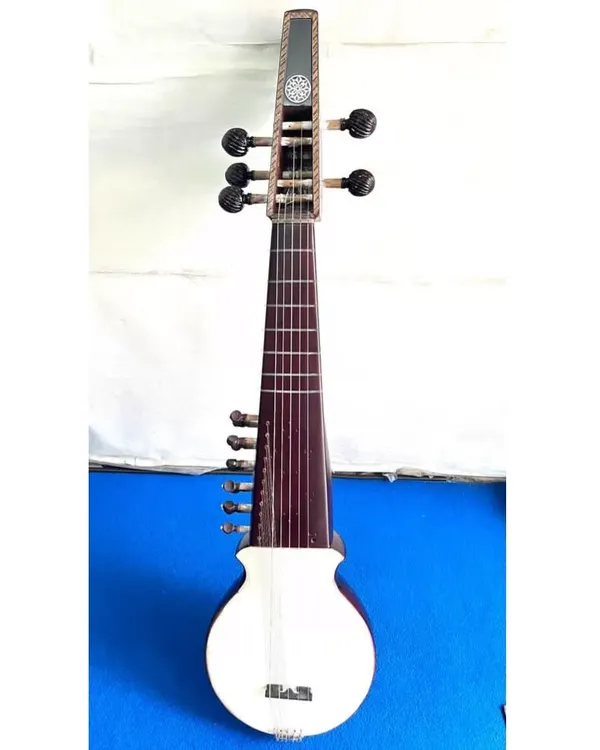
The body of a Zitar being carved out of a solid block of wood. Unlike a traditional sitar, the Zitar does not use a gourd, and the entire body is shaped by hand.
A master craftsman doing the final, detailed carving work on a sitar. This delicate process requires a very steady hand and years of experience.
This is the process of scraping the inlay design on a tanpura. After the design is inlaid, it is carefully scraped and sanded until it is perfectly smooth with the wood surface.
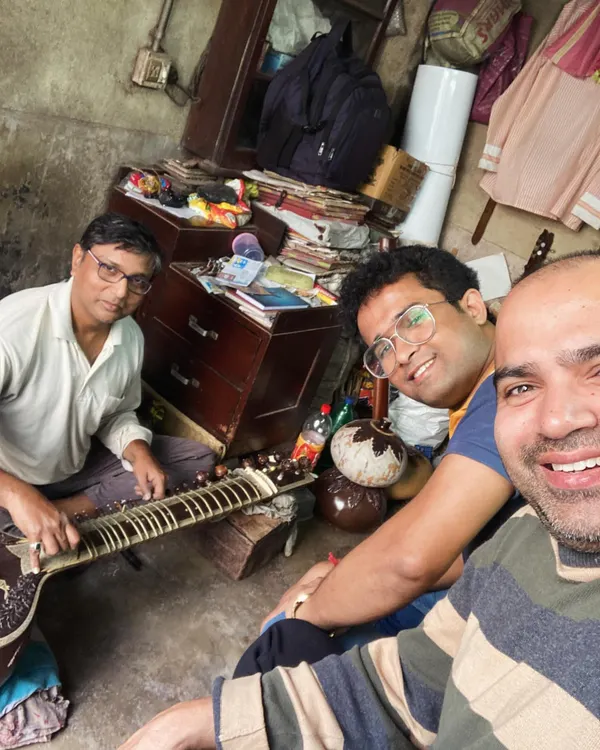
Here I am setting the jawari, or bridge, of a sitar. This is one of the most important steps, as the fine adjustments to the bridge shape the instrument's final tone.
Drilling the holes for the tuning pegs on a sitar. This has to be done with great precision to ensure the pegs fit perfectly and the instrument tunes smoothly.
A short tutorial on how to apply the sympathetic strings (tarafs) to a sitar. These strings are not played directly but resonate with the main strings to create a rich, shimmering sound.
This is the famous tanpura monument in our hometown of Miraj. This city is the heart of instrument making in India, and we are proud to be a part of its long history.
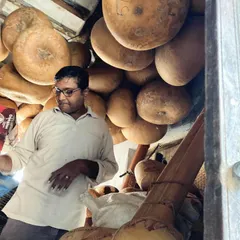
A farmer in Pandharpur inspecting the pumpkins that will be used to make our sitars and tanpuras. We believe in using the best natural materials right from the source.
About Our Craft & Heritage
The soul of a sitar lives in its jawari, or bridge setting. When I sit down to file the bridge, I am not just shaping bone or horn; I am listening for the exact vibration that defines the instrument. This precision is why my instruments feel different to play. Whether you are looking for an open, buzzing sound or a closed, mellow tone, this manual adjustment is the final step that determines how your instrument will perform for years.
Making a professional-grade instrument is a months-long process that relies on patience and traditional knowledge passed down since 1850.
The Materials Matter
Everything starts at the source. We source our gourds (tumbas) from the banks of Pandharpur because the soil and climate there provide a specific thickness and density that translates into superior acoustic resonance. For the bodies, I personally select seasoned Tunwood and Teakwood. We do not use chemically force-dried wood. It is left to age naturally, ensuring that the instrument remains stable even when you travel with it or perform in different weather conditions.
The Construction
Once the wood is ready, the carving begins. Whether I am making a traditional Ravi Shankar style sitar or a modern electric Zitar, the structural integrity is key.
- Inlay Work: The 'Angoor patta' (grape leaf) designs you see are not stickers or prints. They are celluloid pieces, hand-inlaid into the wood and then scraped and sanded until they are perfectly flush with the surface.
- Structural Tuning: We ensure the neck angle and the pegbox geometry allow for smooth tuning. If the pegs slip, the instrument is useless on stage.
Why Miraj?
Our city, Miraj, is the hub of Indian instrument making for a reason. Here, every lane has a workshop, and every workshop has a different secret. My family has been contributing to this tradition for six generations. When you receive an instrument from us, you are getting the result of that lineage. We pack every sitar, tanpura, or surbahar in a custom, flight-safe case because we know these are not just objects; they are an artist's voice.
Similar work from other experts
Browse through Curated picks from other experts on mytribe
 9
9Authentic Indian Classical String Instruments
 5
5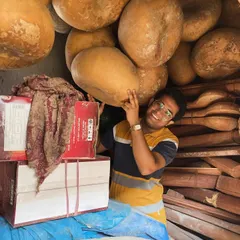

Sitar Maintenance and Instrument Selection
The Art of Craftsmanship: Authentic Himalayan Singing Bowls
 8
8
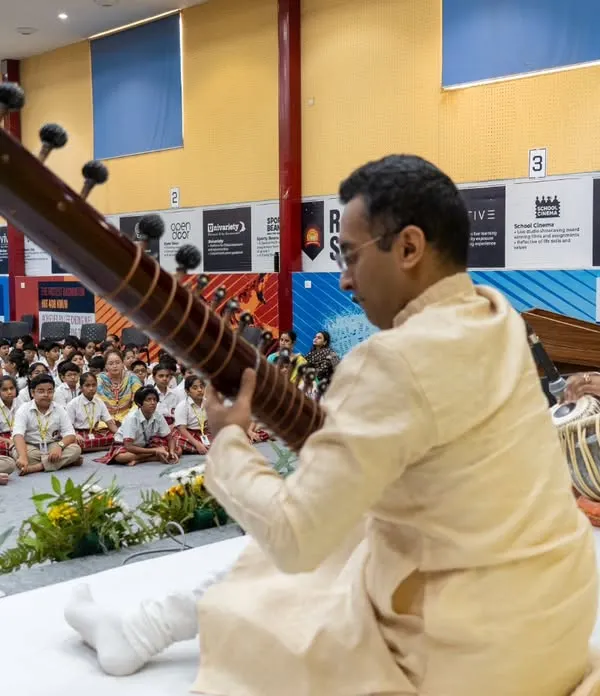
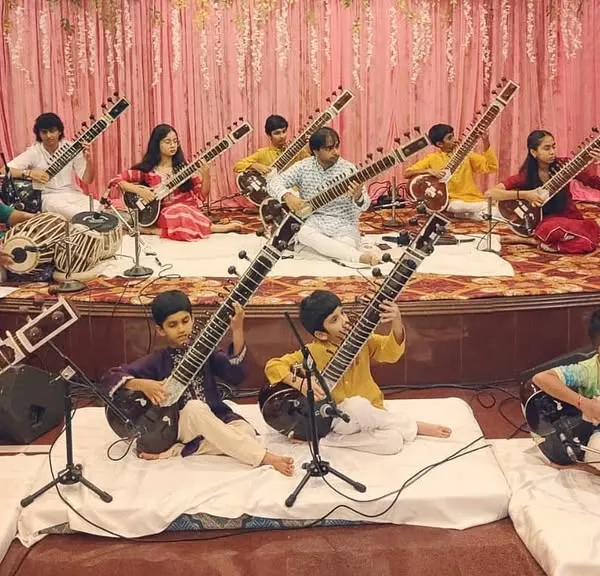
Sitar Performances and Indian Classical Music Workshops
 18
18
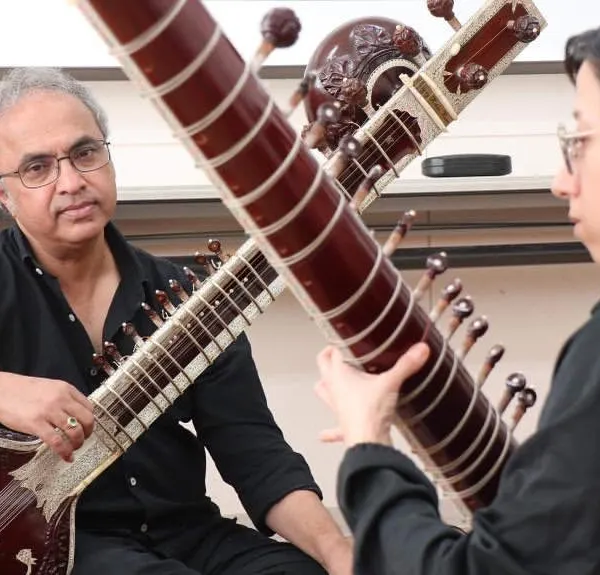
Sitar Masterclasses & Indian Classical Music Workshops
 8
8
Sitar Music Instruction with A-Grade Artist Chintan Katti
More from Custom-Made Indian String Instruments by Naeem Sitarmaker
More services by Naeem Sitarmaker