The Language of Art: Decoding Mudras and Movement
We believe that understanding the why behind an art form makes the experience richer. Explore the history, stories, and gestures that live within our traditions.
Indian performing arts are among the oldest cultural traditions in the world. This series of graphics explores 7 interesting facts about our rich heritage, from temple rituals to healing ragas.
A celebration of global recognition for our folk traditions. This graphic highlights how Assam's Bagurumba, a graceful Bodo folk dance, is being brought to the world stage by over 10,000 artists.
Who knew ancient wisdom would find its way into our texts? The Anjali Mudra, a symbol of respect in classical dance, is now universally recognized as the namaste emoji for greetings and mindfulness.
From the stage to your screen. The Shikhara Mudra, once denoting victory or a bow in theatre, is now the classic thumbs-up emoji we use for approval or luck.
The Hamsasya Mudra, used for delicate actions like threading a needle in classical dance, has now become the modern symbol for "perfect" or "okay."
The Mukula Mudra, symbolizing a budding flower in dance, is now seen as the "chef's kiss" emoji, used to express that something is amazing or perfect.
The Pataka Mudra was once used for actions like stopping or giving blessings in classical dance. Today, it has become the universal hand-wave emoji for greetings and getting attention.
About The Language of Art
Many of our students ask why we emphasize theory alongside steps. It is because a gesture like the Anjali Mudra is not just a pose, it is a language of respect we carry from the studio into rozmarra ki zindagi (everyday life). When you understand the history behind a movement, you stop just copying steps and start dancing with intention.
We do not just teach choreography at Myna; we decode the history that lives in our hands and feet. Whether it is the Shikhara Mudra evolving from a classical bow to the thumbs-up emoji on your phone, or the Mukula Mudra morphing into the chef's kiss, we love showing how these ancient tools remain relevant today.
Theory and history are the foundation of our classes. In our Kathak and Contemporary sessions, students learn how traditional Natyashastra roots inform modern storytelling. By connecting ancient wisdom to current expressions, we make the learning process feel less like a rigid textbook lesson and more like a conversation. We bring in these historical tidbits—like the origins of Bagurumba or the healing nature of ragas—because we want you to feel the weight and the joy of what you are learning. It is about more than just technique. It is about heritage, connection, and understanding why we dance the way we do.
Similar work from other experts
Browse through Curated picks from other experts on mytribe
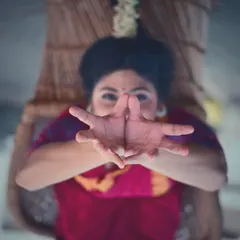
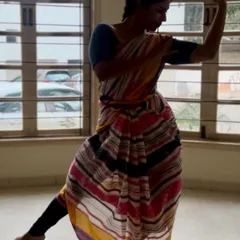
Bharatanatyam as Inquiry: Weaving History, Philosophy, and Dance
The Art of Storytelling: Abhinaya & Classical Dance Theory
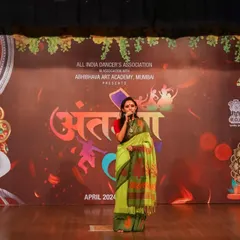
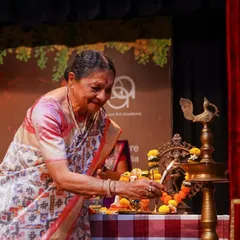
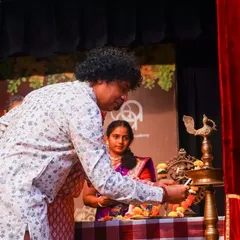
Meet the Gurus & Community at Abhibhava Art Academy
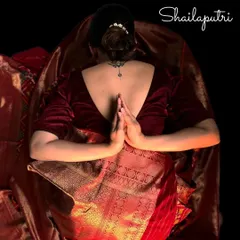
Gyaani Guruvar: Deepen Your Dance Practice
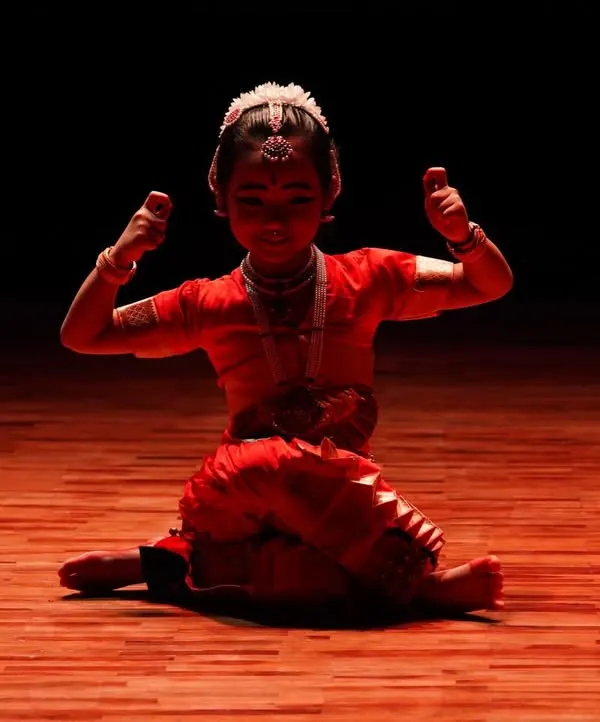 7
7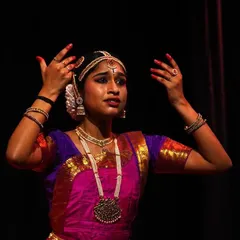
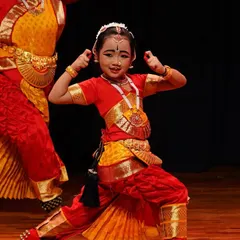
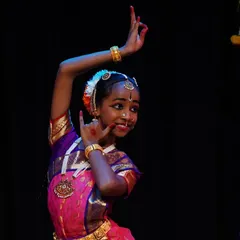
The Art of Abhinaya: Expression in Motion
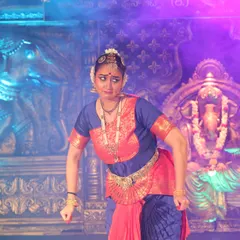
Mastering Abhinaya and Expressions in Bharatanatyam
More from Dance Classes & Workshops by Myna
More services by Myna