The Art of Storytelling: Abhinaya & Classical Dance Theory
Dance is a language of gestures and expressions. We go beyond the steps to teach you the Natyashastra and the nuances of Abhinaya.
This is our student Prakruthi demonstrating the 'Tripataka Hasta Viniyoga', or the usages of the Tripataka hand gesture, as described in the ancient text Abhinaya Darpana.
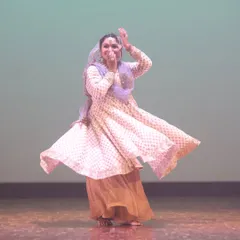
An 'abhinaya' piece on Lord Krishna for Janmashtami. Here, I am using facial expressions and hand gestures to narrate the 'Kasthuri Tilakam' shloka, describing the beauty of Krishna.
'Padhant' is the art of reciting Kathak 'bols' or rhythmic syllables. Here, I am reciting a complex Chakkardar Paran in Teentaal, a crucial practice for understanding the rhythm before dancing it.
A short, informal practice of 'abhinaya' or facial expression. Even without costume or stage, a dancer can convey a range of emotions and stories through nuanced expression.
An unplanned 'abhinaya' session with my daughter Alar. We are exploring a composition by the legendary Pt. Birju Maharaj, showing the playful interaction between Krishna and a Gopi.
A simple play of light and shadow, creating a silhouette of the 'Hamsasya' hasta. This hand gesture is used to denote many things, including a pearl, a drop of water, or the act of drawing.
About The Art of Storytelling: Abhinaya & Theory
You won't just learn steps here. We spend time breaking down the Abhinaya Darpana and rhythmic bols so your movements have intent. Whether you are in our Rustambagh studio or joining online, you will understand why a specific hasta matters before you perform it.
For us at Rhythmotion, dance is a complete conversation between the body, the rhythm, and the emotion. If you have been looking for training that respects the depth of Indian classical dance, this is where you start.
Why Theory Matters
Many students focus only on footwork, but true grace comes from understanding the theory behind it. In our classes, we study the Abhinaya Darpana to learn the precise application of hastas (hand gestures). When you understand the meaning behind a gesture, your performance changes—it stops being just movement and starts telling a story.
What You Will Learn
- Abhinaya: We train you to convey emotions through subtle facial expressions, using compositions like those of Lord Krishna as practical examples.
- Rhythmic Bols: We demystify the complex syllables of Kathak. By learning how to recite and understand the structure of a Chakkardar Paran, you will find it much easier to execute the physical footwork later.
- Structured Training: Whether you join our in-studio batches in Rustambagh, Bengaluru, or our online sessions, the curriculum follows a clear path. We cover theory exams, technique corrections, and the history of the art form.
A Hybrid Approach
We believe high-quality training should be accessible. Our online students receive the same attention as those in our studio, with verbal feedback and video analysis to correct your posture and mudras. If you are serious about Bharatanatyam or Kathak and want to move beyond the surface level, we invite you to join our next cycle.
Similar work from other experts
Browse through Curated picks from other experts on mytribe
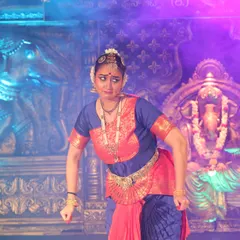
Mastering Abhinaya and Expressions in Bharatanatyam
Mastering Kathak Abhinay and Expressive Dance
 17
17Kathak & Classical Traditions
Master Classical Dance: Authentic Kathak & Bharatanatyam
Bharatanatyam & Kathak Classes in Bangalore for All Levels
The Art of Bharatanatyam: Technique and Storytelling
More from Classical Indian Dance Classes by Rhythmotion
More services by Rhythmotion