Filmmaking Tutorials: How to Make Every Shot Cinematic
Making a video look professional isn't about expensive gear—it's about how you see the world. Here are my favorite tips and tricks to turn ordinary moments into cinema, using whatever camera is in your hand.
A quick demonstration of the power of color grading. This video shows a side-by-side comparison of raw footage from my iPhone 15 and the final graded version, highlighting how color transforms the mood.
The title card for my tutorial on 5 simple camera movements to make your shots instantly cinematic. It proves that you can achieve great results with any camera, from a DSLR to a phone.
This clip demonstrates the 'Pan' movement. A simple pan is a fundamental storytelling tool, guiding the audience's eyes to follow the action, like this Mumbai local train pulling out of the station.
Here, I explain the 'Push-In/Out' camera movement. A push-in drives you into the moment and builds tension, while a push-out lets the scene breathe and reveals the larger context.
This shot demonstrates a 'Crane/Jib' movement, using a drone to create a sweeping vertical motion. It’s a powerful way to reveal a landscape and add a grand, cinematic feel.
The intro to my tutorial on making static shots cinematic. Even without camera movement, you can create a dynamic frame, as shown in this moody shot of Marine Drive in the rain.
This clip explains how 'Movement' within the frame can keep a static shot alive. The people walking and the bus moving create visual interest even though the camera itself is still.
Using 'Frame within a Frame' is a great technique for adding depth. Here, I used the structure of a bridge to frame a distant building, creating a more composed and interesting shot.
This shot demonstrates using 'Depth of Field' to make a static shot more dynamic. The blurred leaf in the foreground adds layers to the image, drawing focus to the BMC building behind it.
A reel showing how an anamorphic lens can turn simple video clips into pure cinema magic. The lens creates those classic widescreen flares and a unique field of view.
About The Art of Filmmaking: Tutorials & Tips
People always ask me about my gear, but the secret really lies in your color grading. A simple teal and orange adjustment can shift the mood of a scene instantly, turning a standard Mumbai street shot into something straight out of a film. You don't need a heavy setup; you just need to understand how to guide the viewer’s eye through simple camera movements.
Most people think you need a massive cinema camera to create a movie-like look, but that is a myth. In these tutorials, I break down how I use everyday gear—like my phone or a mirrorless camera—to capture the soul of Mumbai.
The Fundamentals of Cinematic Motion
Great footage is about movement. Whether it is a 'Push-In' to build tension during a brand launch or a 'Crane' shot to establish a landscape, these movements guide the audience. I show you how to execute these with simple tools, so your social media content feels like a piece of cinema rather than a quick clip.
Color Grading and Tone
Color is where the mood happens. I spend hours on Premiere Pro because that final grade is what separates a snapshot from a story. We will look at how simple teal and orange grading can transform a rainy day at Marine Drive or a chaotic street in Bandra into a stylized, emotional frame.
Why Frame Composition Matters
Even in static shots, you can create drama. Using leading lines, framing within a frame, and managing your depth of field are skills that turn a boring video into something people stop to watch. If you want to learn how to apply these techniques to your next project, or if you are looking for someone to bring this cinematic vision to your brand, let's talk.
Similar work from other experts
Browse through Curated picks from other experts on mytribe
Behind the Scenes & Photography Tutorials
 11
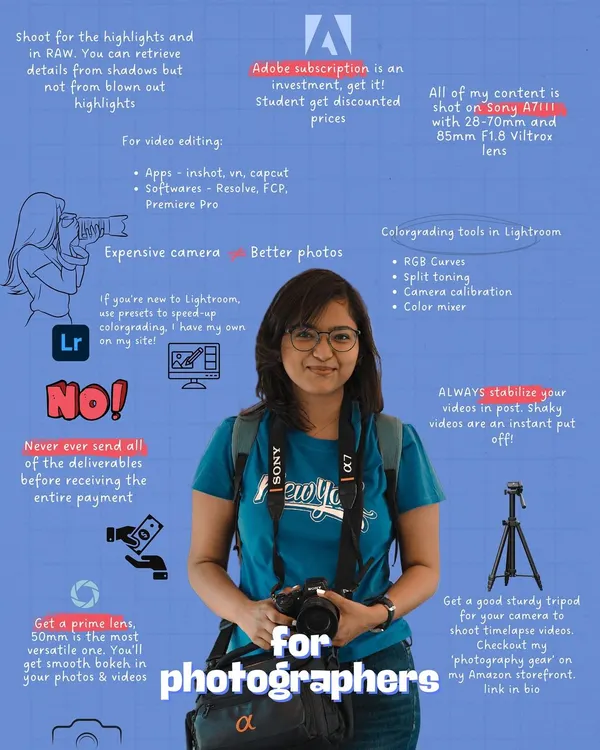
11The Filmmaker's Craft: My Camera Settings & Cinematic Editing Tips
Fashion in Motion and Cinematic Campaigns
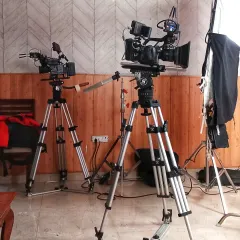
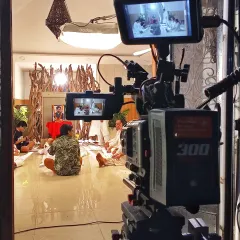
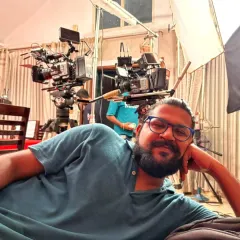
Behind the Lens: My Filmmaking Process and Journey
 24
24
Master Mobile Photography: Workshop & Creative Tips
Cinematic Fashion Reels & Portrait Films in Mumbai
More from Brand & Commercial Videography by Avinash
More services by Avinash