Understanding Hair Loss: Stages, Causes, and Solutions
Hair loss doesn't happen overnight, and understanding the stages is key to regaining control. Before deciding on a procedure, you need to know exactly what is happening to your follicles.
Hair loss happens in predictable stages. This series will help you understand the 7 stages of male pattern baldness and identify the right time to start treatment.
Stage 1 of hair loss is minimal thinning, often at the temples. At this point, the hairline is still intact, and preventive measures like supplements and treatments can be very effective.
In Stage 2, the hairline recedes at the temples, forming a distinct 'M' shape. The crown density is usually unaffected, and early treatments can help slow down progression.
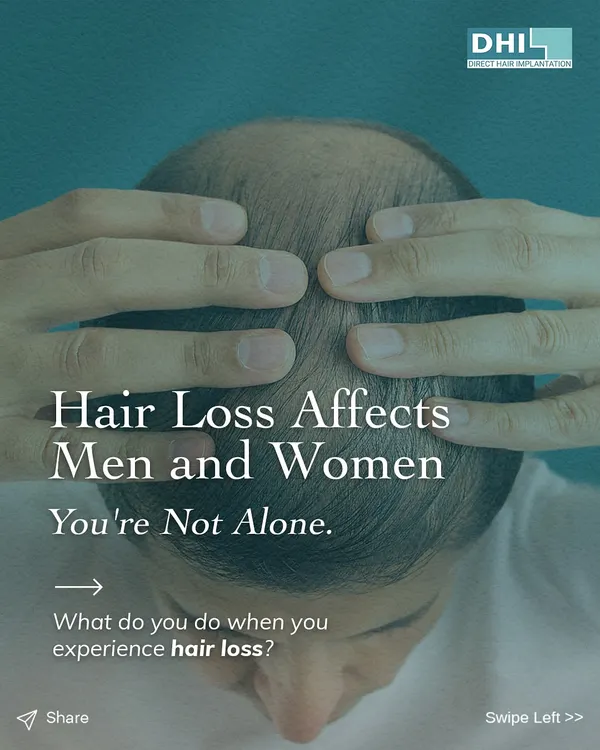
Hair loss is a widespread issue, affecting over 100 million Indians, including men in their 20s and 30s. Understanding its prevalence is the first step toward seeking a solution.
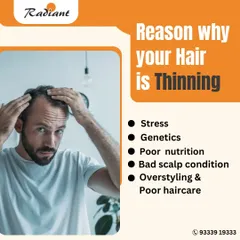
Why does hair loss happen? It can be due to genetics, stress, nutritional gaps, pollution, or even tight hairstyles. Losing 50-100 strands a day is normal, but visible thinning requires a deeper look.
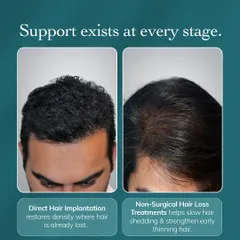
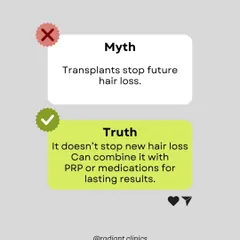
Here is the truth: once hair follicles die, no oil or shampoo can revive them. If you are seeing bald patches, a hair transplant is the only way to restore hair in that area.
This series breaks down the top causes of hair loss and helps you understand when it's time to seek professional help.
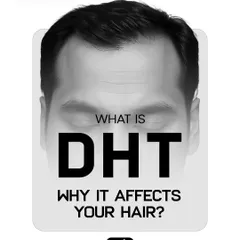
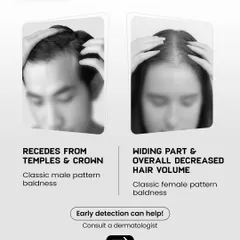
Genetics play a major role in both male and female pattern baldness. For men, it causes receding hairlines, while for women, it often leads to overall thinning, especially on the scalp.
Stress, poor sleep, and an unhealthy lifestyle are major triggers for hair fall. Managing stress and maintaining a balanced diet are crucial for protecting your hair health.
Underlying medical conditions like thyroid issues, PCOS, and iron deficiency can also cause hair loss. A proper medical diagnosis is essential for effective treatment.
About Understanding Hair Loss
At MedLinks, we do not believe in guesswork. Before recommending any procedure, I conduct a high-definition AI scalp analysis to measure your follicle density per square centimeter and shaft thickness. This data determines if you need a medical treatment plan to revive existing follicles or if a transplant is actually the right path for your specific stage of thinning.
Why Early Action Matters
Many patients come to me after trying every oil, shampoo, and DIY remedy they could find. The harsh truth is that once a hair follicle dies, no topical product can revive it. If you see a bald patch, the root is likely inactive. However, if you are in the early stages of thinning (the 'M' shape receding hairline or general crown density loss), there is a significant window of opportunity to slow down the process and stimulate regrowth through medical management.
The Science of Restoration
My approach focuses on regenerative medicine rather than just surgery. We use:
- AI Scalp Analysis: This isn't just a look-see. We use 3D modelling to predict future coverage zones.
- Exosome & GFC Therapy: These treatments use advanced biological factors to boost stem cell activity. It is the next step up from standard PRP, providing higher potency for hair revival.
- Medical Management: Sometimes, all you need is a regulated dosage of Minoxidil or Finasteride, combined with specific lifestyle changes in your protein and Omega-3 intake, to stabilize your condition.
Knowing When to Transplant
I only recommend a transplant (specifically our Perfect-i technique) when there is significant baldness that cannot be reversed. If you are young, I will often advise against it unless there is a clear, long-term requirement. My goal is to save the hair you have before we discuss replacing what you have lost. You deserve honest advice, not just a procedure.
Similar work from other experts
Browse through Curated picks from other experts on mytribe
 5
5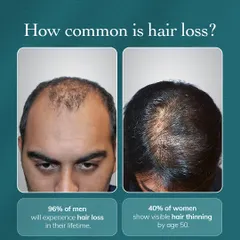

Understanding Hair Loss: Causes, Solutions, and Expert Care

Understanding Hair Loss: Expert Guidance on Causes & Care

Identifying the Root Causes of Your Hair Loss
Understanding Your Hair Loss: Diagnostic Medical Care
Diagnosing the Real Cause of Your Hair Loss
Understanding the Root Causes of Your Hair Loss
More from Non-Surgical Hair Loss Treatment by MedLinks Hair Transplant
More services by MedLinks Hair Transplant