Expert Hair Health & Transplant Advice from Dr. Gaurang Krishna
Straight talk on hair loss, myths, and science-backed solutions. I believe in honest, practical advice, not just procedures.
Many young men with only minor hairline recession worry about needing a transplant. I usually advise against it. A slightly mature hairline is normal, and we should first focus on medical management to prevent further loss.
After a hair transplant, post-care is crucial. I recommend avoiding smoking and alcohol, eating a nutritious diet, and using Minoxidil to support the growth of the new baby hair roots for the best results.
You may have seen news about "magic potions" for hair growth. I want to warn you that many of these are unverified and can be dangerous. Always trust a qualified dermatologist for hair loss treatments.
In this rapid-fire round, I answer some of the most common questions I get, from the biggest cause of hair fall to whether oil or serum is better for your hair health.
A village in Maharashtra recently experienced a sudden, widespread hair loss epidemic. I explain the likely cause, a condition called Telogen Effluvium, which is typically temporary and can be triggered by environmental factors.
Genetic hair loss is the most common cause of balding, but you are not helpless. While you can't change your genes, you can manage hair loss with medications, lifestyle changes like quitting smoking, and a healthy diet.
In the age of AI and Photoshop, it's easy to be fooled by fake before-and-after pictures. I always tell my patients to insist on seeing videos or meeting other patients in person to verify the results.
A recent news article created panic about Minoxidil. I want to clarify that it does not cause genetic defects. The issue reported was due to direct skin contact with babies, which is why I always advise parents to wash their hands after application.
A common question is about post-transplant medications. I recommend a short course of antibiotics and strongly advise using Minoxidil for at least a year to increase blood flow and support the new hair growth.
Many patients ask how to protect their newly transplanted hair. The good news is that in the long run, this hair is very robust and doesn't need special shampoos or oils. A healthy lifestyle is the best care you can provide.
About Expert Advice from Dr. Gaurang Krishna
Before you jump into a hair transplant, let's look at why your current donor area matters more than the ads you see online. A transplant isn't a quick fix for thinning hair; it is a surgical redistribution of what you have left. If you are noticing early thinning, you likely do not need a surgeon yet—you need a diagnostic plan to stabilize the hair you currently have. Surgery is the last step, not the first.
My Approach: Diagnosis Before Treatment
I treat hair loss as a medical condition, not a cosmetic hurdle. Every patient journey at MedLinks begins with an AI-powered scalp analysis. We measure follicle density and shaft thickness to create a roadmap tailored to you, not a generic package.
Debunking Common Myths
- The 'Magic Potion' Trap: Social media is full of influencers selling miraculous oils. Real hair growth comes from established medical management—Minoxidil, DHT blockers, and proven regenerative therapies—not secret mixtures that can irritate your scalp.
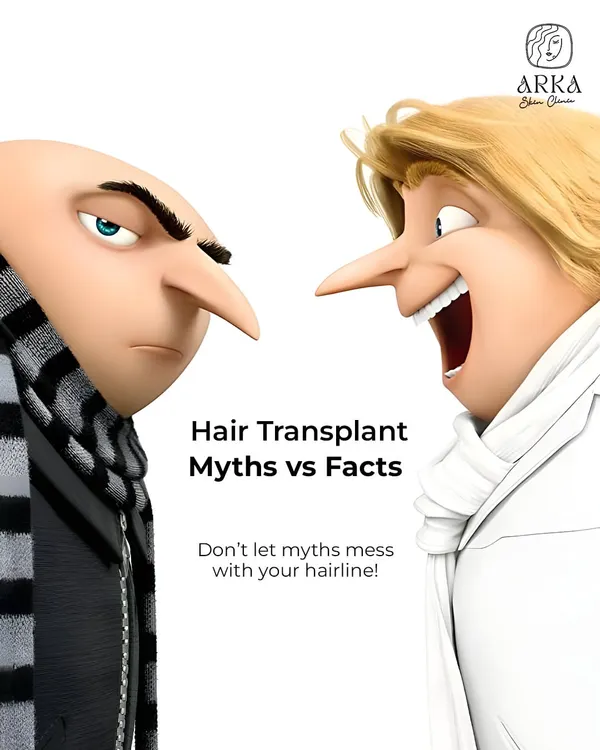
- Transplant vs. Medication: Many young men come to me asking for a transplant when their hair is merely thinning. If you are under 25, a transplant is rarely the right call. We should focus on medical management to prevent further loss first. My role is to tell you when not to get surgery, just as much as when you should.
The Science of Restoration
When we do move to procedures, we focus on results that look natural.
- Exosome Therapy: We use lab-derived growth factors that stimulate stem cells more effectively than standard PRP. It is about using biological markers to signal your hair follicles to wake up.
- Post-Care Reality: After a transplant, your hair doesn't need expensive oils. It needs a clean, healthy lifestyle. We advocate for a combination of proper diet, stress management, and, if necessary, Minoxidil to support the new roots.
If you are feeling overwhelmed by conflicting advice, stop guessing. Let’s look at your scalp, analyze the root cause, and decide on a path that actually works for your specific genetic profile.
Similar work from other experts
Browse through Curated picks from other experts on mytribe
Hair Transplant Questions Answered by an Expert
Expert Advice on Hair and Scalp Health
Expert Hair Restoration Advice from DHI Surgeons
 12
12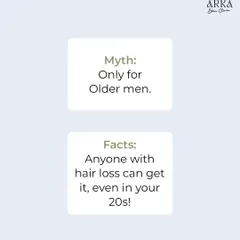


Hair Care Facts and Myths: Dr. Dikshak Chawla’s Expert Guidance
Expert Hair Restoration Facts & Truths
Hair Transplant Truths: Expert Answers to Your Doubts
More from Non-Surgical Hair Loss Treatment by MedLinks Hair Transplant
More services by MedLinks Hair Transplant