Navigating Criminal Law in India
Don't let the legal system intimidate you. Whether it's understanding bail, police procedures, or your rights as an accused, I make Indian criminal law easy to grasp, no lawyer-speak included.
If you or someone you know is arrested, understanding the types of bail is critical. I explain the five main types of bail in India: regular bail, anticipatory bail, interim bail, default bail, and medical bail. Knowing the difference helps you apply for the right one at the right time.
Getting bail granted is one thing, but you can't get out of jail without a bail bond. I explain what a bail bond is, the role of a surety, and what happens if the accused person doesn't appear in court. This is a crucial step in the release process that many people don't know about.
If you are arrested, you have the right to meet an advocate of your choice during interrogation. This is a key protection under Section 41D of the CrPC. I explain why it's important to have your lawyer present and how it prevents your words from being used against you.
What should you do if the police call you to the station regarding a complaint? I advise on the immediate steps to take, whether for a bailable or non-bailable offense. I also warn against trying to settle matters with "kharcha paani" as only a court, not the police, can grant bail in serious cases.
If you face harassment or misconduct from a police officer, you have the right to file a complaint. I outline five effective ways to take action, from using social media to filing a formal complaint with the Superintendent of Police or the magistrate under Section 156 of the CrPC.
In some situations, a person can be excused from criminal liability even if they've committed an offense. I explain the concept of 'General Exceptions' under the Indian Penal Code, covering cases involving children under a certain age, persons of unsound mind, and involuntary intoxication.
How long does an anticipatory bail last? I discuss the landmark Supreme Court judgment in the Sushila Aggarwal case, which ruled that there is no fixed time limit. Generally, an anticipatory bail can last until the very end of the trial, offering significant protection from arrest.
If you are an accused in a criminal case, do you have to be present in court on every single date? I explain how you can file an exemption application under Section 205 of the CrPC, which allows you to be represented by your counsel if you have a valid reason for not attending.
For an accused person with serious medical issues, appearing physically in court can be impossible. I discuss a Delhi High Court ruling that allows such individuals to appear via video conferencing. This ensures the trial proceeds without compromising the health and rights of the accused.
Fighting in a public place can land you in legal trouble. I explain the offense of 'Affray' under Section 159 of the IPC. If two or more people fight in public and disturb the peace, they can face imprisonment and a fine, even for what might seem like a minor scuffle.
About Navigating Criminal Law
Getting bail is just the first step. Many people do not realize that even after a court grants bail, you are not actually released until your bail bond is filed and surety is accepted. I see clients get stuck here often, so knowing the specific paperwork requirements is just as important as the hearing itself.
Understanding Bail
Bail is often misunderstood as just one process, but it involves several types tailored to your situation. Whether it is Anticipatory Bail to protect yourself from arrest, Regular Bail after arrest, or specific provisions like Default or Medical Bail, the timing and grounds matter immensely. I have seen too many people lose time because they filed for the wrong type of bail at the wrong stage.
Dealing with Police
If you receive a call from the police, remember that you are not always legally bound to walk into the station blindly. There are rights protected under Section 41D of the CrPC, such as the right to have your lawyer present during interrogation. If the police suggest settling matters with cash, understand that they do not have the authority to grant bail for non-bailable offenses. That power lies only with the Magistrate or higher courts.
The Trial Process
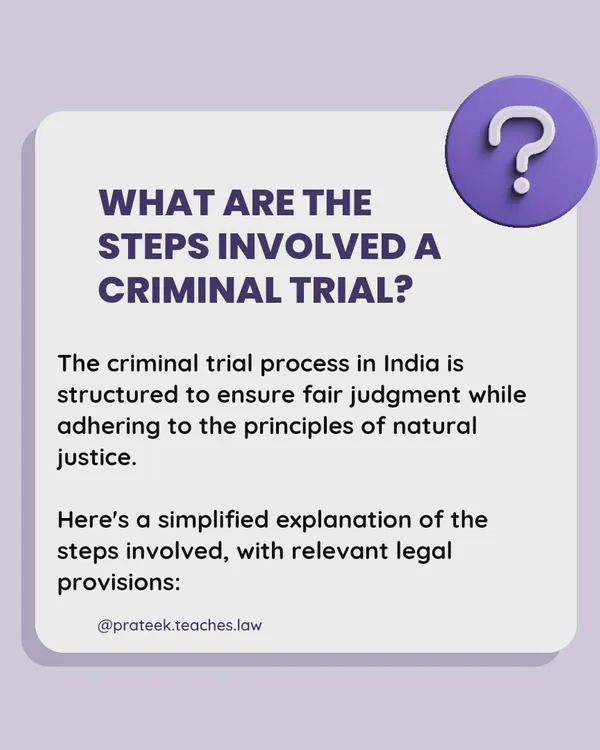
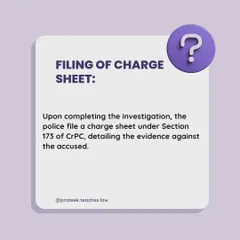
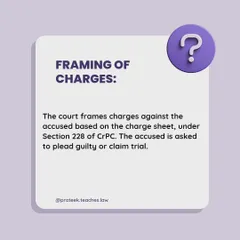
Criminal trials can feel like a labyrinth, but they follow a structured path. From the FIR filing to the framing of charges, evidence recording, and final judgment, knowing which stage you are at helps in preparing your defense. For many, physical presence at every date is a challenge. If you have valid medical reasons or genuine constraints, you can move an exemption application under Section 205 of the CrPC or request video conferencing, as supported by recent Delhi High Court observations.
General Exceptions
Not every act defined as an offense under the IPC is punishable. The law provides for 'General Exceptions' that recognize factors like age, lack of maturity, or involuntary intoxication. If you find yourself in a situation that feels black and white, it is worth exploring these nuances to see if your specific facts allow for a defense.
Similar work from other experts
Browse through Curated picks from other experts on mytribe
Know Your Rights: Police & Court Procedures
 43
43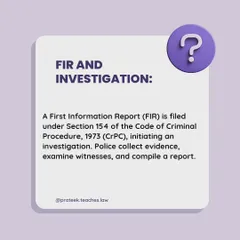
Understanding Criminal Proceedings in India
Criminal Law Defence: Know Your Legal Rights
Understanding Criminal Law & Court Procedure

Understanding Criminal Law: Your Rights and Defense
Know Your Rights and understand your legal position in Delhi
More from Legal Consultation by Priyanshi Bhardwaj
More services by Priyanshi Bhardwaj