Mutual Consent Divorce: A Smoother Legal Path
A mutual consent divorce is often the most dignified way to end a marriage. I guide you through the process, from filing the joint petition to the final decree, ensuring clarity and minimal conflict.
A mutual consent divorce is a legal process where both spouses agree to end their marriage amicably. I guide you through this process to ensure it is as smooth and straightforward as possible, avoiding lengthy court battles.
To demystify the legal process, here is a clear, four-step guide to the procedure for a mutual consent divorce. I manage each stage for you, from filing the petition to obtaining the final decree from the family court.
This visual guide explains the step-by-step procedure for a divorce through mutual consent. Understanding these steps can help you navigate the legal requirements with confidence while I handle the complexities.
A mutual consent divorce is a no-fault legal process where blame is not placed on either spouse. As your lawyer, I facilitate this agreement to ensure the marriage is dissolved amicably and legally.
My goal in a mutual divorce is to make your split as smooth as possible. By handling all the legal details efficiently, I help you and your spouse move forward to the next chapter of your lives with minimal conflict.
I handle all aspects of a divorce by mutual consent, including addressing any potential issues like contempt of court if agreements are not followed. My expertise ensures a legally sound and final separation.
When both husband and wife wish to separate by their own will, hiring a mutual consent lawyer is the best course of action. I provide the necessary legal framework to formalize your separation agreement.
About Amicable Separations: Mutual Consent Divorce
A mutual consent divorce is not just about filing papers, it is about drafting a Memorandum of Understanding that actually holds up. I focus on creating an MOU that clearly defines your separation terms, from asset division to child custody, so that once the six-month cooling-off period ends, the final decree is not delayed by misunderstandings or objections from the court registry.
Understanding the Mutual Consent Process
Many couples assume mutual consent is a simple sign and leave process. In reality, it involves two distinct motions before the Family Court. The first step is the joint filing of the petition, accompanied by the Memorandum of Understanding. This document is crucial because it outlines the terms of your separation, including permanent alimony, return of dowry articles, and custody arrangements.
The Timeline and Legal Requirements
In Delhi, the law typically mandates a cooling-off period of six months between the First and Second Motion. While the court has the discretion to waive this in exceptional circumstances, I generally advise clients to use this time to finalize financial settlements and transition arrangements. My role involves managing the paperwork, drafting the petitions, affidavits, and the MOU, and ensuring we clear any objections raised by the registry early on.
Why Representation Matters
Even when both parties agree, the court requires strict procedural compliance. From filing the initial petition at the Dwarka Court to appearing for hearings, I manage the logistics. I also ensure that you do not face last-minute hurdles, like issues with the final decree or contempt risks due to poorly drafted settlement terms. You are not just paying for filing; you are paying for an outcome that is legally binding and offers a clean break, allowing you to move forward without looking back at old disputes.
Similar work from other experts
Browse through Curated picks from other experts on mytribe
Navigating the Divorce Process: From Filing to Decree
 6
6

Divorce and Legal Separation Support in Delhi NCR
 13
13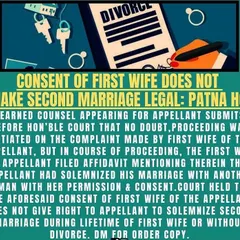
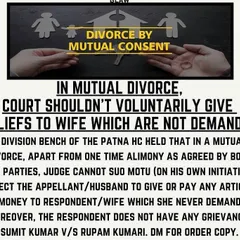

Divorce and Separation Legal Services in Delhi
 8
8

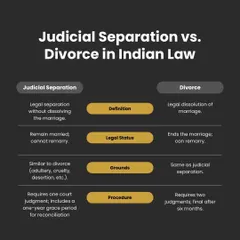
Navigating the Divorce Process in India
Expert Family Law & Relationship Guidance in Delhi

Divorce and Separation: Finding a Path Forward
More from Family Law by Peeyush Kaushik
More services by Peeyush Kaushik