Financial Rights and Divorce Settlements
Financial separation is often the most complex part of any dispute. I help you understand your legal entitlements regarding maintenance, alimony, and the division of assets, ensuring you have a clear picture of your position before moving forward.
A Wife's Right to Maintenance Even When Living Separately. Indian courts have been clear that a husband has a duty to provide maintenance if he is capable and she is not. I explain the two major grounds that make a wife eligible for maintenance even if she is not living with him.
Can a Husband Claim Maintenance From His Wife? Yes, under the Hindu Marriage Act of 1955, a husband who cannot support himself can claim maintenance from his wife if she has sufficient means. I explain the conditions the court considers before granting such a claim.
How Assets Are Divided in a Divorce. Upon divorce, a wife may be entitled to a share in her husband's property, whether it is self-acquired or ancestral. I explain that the division of assets depends on factors like personal law, customs, and the state where the property is located.
About Financial Rights & Settlements
Maintenance is not an automatic right or a standard fixed amount, and it is not limited only to wives. The court assesses both parties' actual financial capacity, income streams, and standard of living when deciding on alimony or maintenance. If you are preparing for a separation, your priority must be documenting financial trails and liabilities to ensure any settlement reflects your true economic reality, rather than just what the other party claims.
Understanding Financial Settlements
Separation involves more than just ending a marriage; it requires a fair division of financial responsibility and assets. My practice focuses on the practical application of the law, cutting through the confusion of Section 125 CrPC and the Hindu Marriage Act.
Maintenance and Alimony Realities
- It's not one-sided: Under the Hindu Marriage Act, both a husband and wife can claim maintenance if they are incapable of supporting themselves and the other party has sufficient means. It is a provision for support, not a punitive tool.
- Actual vs. Claimed Income: Courts look for evidence of real income. We focus on organizing financial documents—tax returns, bank statements, and salary slips—to counter exaggerated claims or concealments.
- The Two-Pronged Test: Maintenance claims depend on the claimant's need and the respondent's ability to pay. I help clients build a case based on these objective facts.
Asset Division
Division of property is often misunderstood. The distinction between ancestral and self-acquired property is vital:
- Self-acquired property: Generally, this is governed by the individual’s will or personal law, but specific rights may arise upon divorce.
- Ancestral property: The rules here are rigid and involve the rights of coparceners. I help you identify what can and cannot be claimed.
My Approach to Strategy
Legal battles over money are draining. I emphasize mediation and clear-headed documentation. Whether you are seeking maintenance or defending against an unreasonable claim, we establish a roadmap that prioritizes legal accuracy. My goal is to prevent the court from making decisions based on incomplete information. If you are unsure about your rights, we can evaluate your specific case to determine what is legally defensible and what is merely emotional leverage.
Similar work from other experts
Browse through Curated picks from other experts on mytribe
Understanding Maintenance, Alimony, and Property Rights

Understanding Alimony, Maintenance, and Property Rights



Alimony vs Dowry Rights: Understanding Your Legal Entitlements
Maintenance and Alimony: Understanding Your Financial Rights
Navigating Family & Marriage Laws in India
 18
18


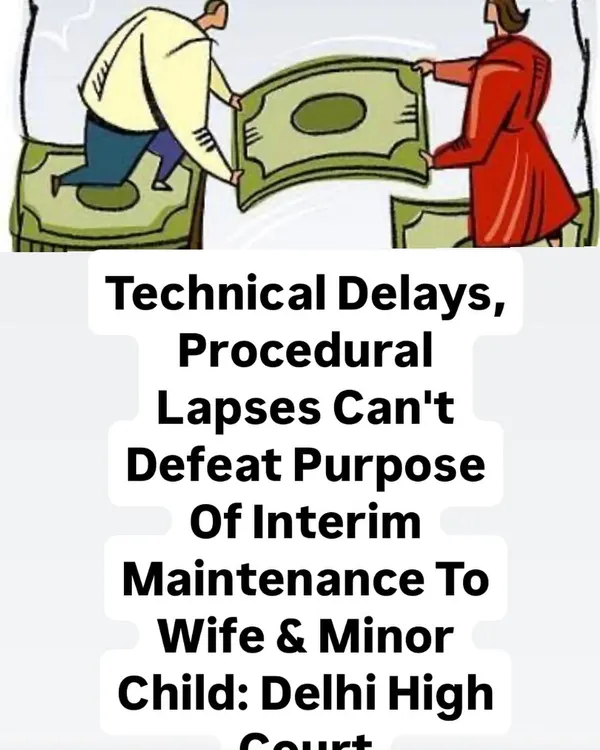
Maintenance and Alimony Rights in Delhi
More from Family & Matrimonial Law by Kamaluddin Ahmed
More services by Kamaluddin Ahmed