Vitiligo and Pigmentary Disorder Treatments
Managing vitiligo requires patience and a personalized medical approach. Whether you are seeking medical management or exploring surgical options for stable patches, I focus on evidence-based care to help restore your skin's natural appearance.
This infographic outlines the various treatment options available for vitiligo. From topical creams and light therapy to advanced surgical procedures like skin grafting, I create a personalized plan to manage the condition effectively.
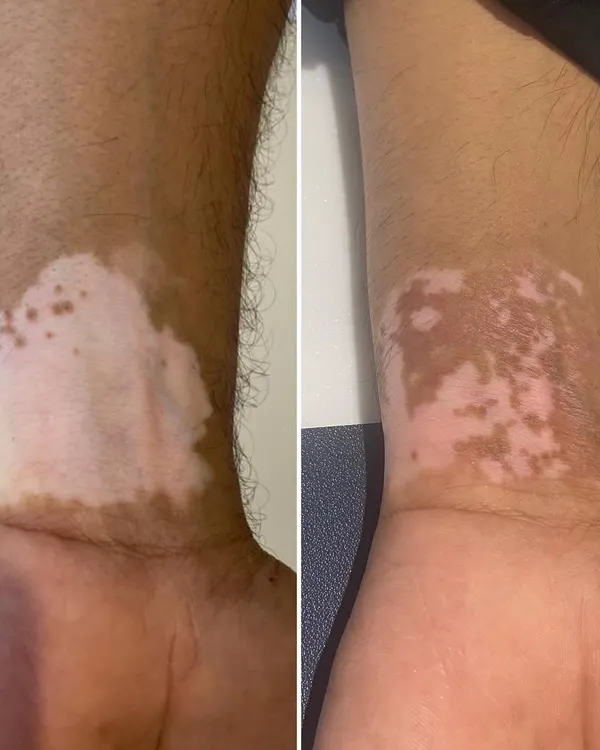
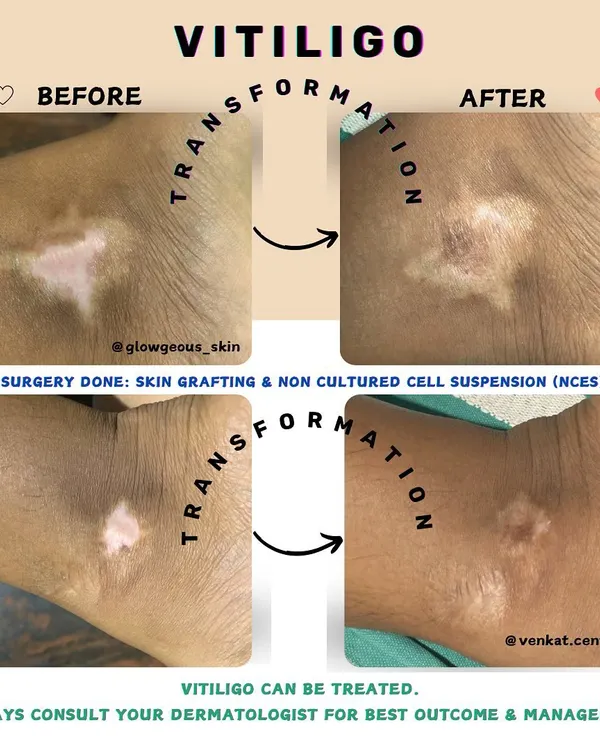
For patients with stable vitiligo, where patches have not changed for a year or more, vitiligo surgery can be an excellent option. This procedure involves transplanting pigment-producing cells to restore color to the affected areas.
About Vitiligo and Pigmentary Disorders
The primary consideration for vitiligo surgery is whether your patches are stable. If they have shown no change in size or spread for at least 12 months, you may be a candidate for procedures like skin grafting or melanocyte transfer to restore pigmentation in affected areas.
My management approach for vitiligo begins with a thorough diagnosis using dermoscopy to assess the activity of your patches. For active or progressive stages, we utilize medical therapies such as Narrowband UVB (NB-UVB) phototherapy or excimer laser treatment to stimulate melanocytes. These treatments require consistency and regular clinic visits to monitor progress and adjust the intensity as needed.
For patients with stable vitiligo, where patches have remained unchanged for at least 12 months, surgical intervention becomes a viable option. Procedures such as punch grafting or melanocyte transfer involve transplanting pigment-producing cells from a healthy donor area to the affected skin. These methods are designed to restore color gradually, aiming for a natural match with your surrounding skin tone.
Safety and precision guide every step of my process. Whether you are starting with medical therapy or considering surgery, I prioritize evidence-based protocols to manage the condition while minimizing any potential side effects. During your consultation, we will review your skin history, discuss expected timelines for results, and set realistic goals based on your specific case.
Similar work from other experts
Browse through Curated picks from other experts on mytribe
 5
5

Expert Medical and Surgical Vitiligo Treatment
 6
6


Vitiligo Care and Pigment Management


Advanced Vitiligo Treatments and Procedures

Step-by-Step Vitiligo Treatment Plan
 14
14Vitiligo Treatment and Advanced Scar Revision
 5
5

Compassionate Vitiligo Care and Treatment
More from Dermatosurgery (Minor Skin Surgery) by Bhagyashri Daulatabadkar
More services by Bhagyashri Daulatabadkar