Easy DIY Science Experiments for Curious Kids
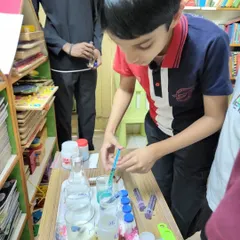
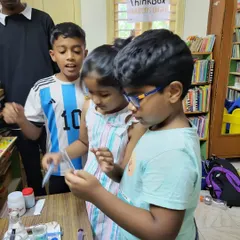
Science isn't just for laboratories. It is right here in your kitchen, living room, and bathtub. These simple, screen-free experiments use everyday household items to spark your child's curiosity about how the world works.
Watch how a balloon inflates using just a bottle and hot water. This is a fantastic and safe way to demonstrate Charles' Law, showing kids that hot air expands and science is all around us.
Can you keep your hand dry in water using just powder? This hydrophobic powder experiment is a mind-bending way to explore water repellency and surface tension, leaving kids amazed and full of questions.
This "Flip Fish" experiment is a magical introduction to the science of refraction. See how placing a glass of water in front of a drawing makes the fish appear to swim in the opposite direction.
Make salt dance with the power of sound vibrations. This simple setup with a bowl and plastic wrap is a cool, hands-on way for children to see and feel how sound travels.
Let's create smoky bubbles. This activity is a visual treat and a great way to talk about states of matter, as the smoke trapped inside the bubble creates a magical, cloudy effect.
Watch a container pop with a bang using just citric acid and baking soda. This film canister rocket experiment is a thrilling demonstration of a chemical reaction producing CO2 gas and building pressure.
Create your own water sprinkler with a plastic bottle. This activity is a fun lesson in air pressure, showing how air entering a hole at the bottom can push water out through the top.
How can insects walk on water? This experiment with a floating coin demonstrates the concept of surface tension, showing how water molecules create a "skin" strong enough to support light objects.
What happens when soap meets color? This beautiful experiment shows how a drop of dish soap breaks the water's surface tension, causing colors to burst outwards in a stunning display.
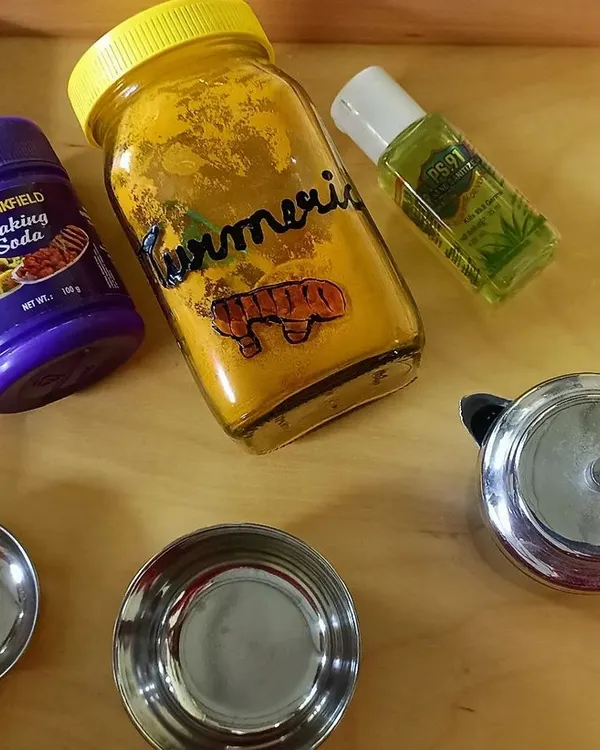
This color-changing turmeric experiment is a perfect introduction to acids and bases. Using simple kitchen ingredients like turmeric and detergent, your child can see a chemical reaction turn yellow to red right before their eyes.
About Fun Science at Home
Forget expensive kits or complicated prep. Most of the magic here happens with basic kitchen ingredients like turmeric, dish soap, or baking soda. The goal is not to get a perfect result every time but to watch your child's eyes light up when they see science happen right in their hands. Embrace the spills, accept that sometimes an experiment will be a 'tappu' (wrong), and focus on the joy of the question rather than the accuracy of the answer.
Science at home is less about the end result and more about building a growth mindset. When we play with things like surface tension, air pressure, or chemical reactions, we are teaching children to observe, predict, and wonder.
Why Play-Based Science Matters
At this age, children do not need textbooks. They need to see a balloon inflate without touching it, watch soap repel colors, or see turmeric turn red. These moments create concrete associations that stay with them longer than any classroom lesson.
How We Make It Simple
- Use What You Have: I focus on items you already own—plastic bottles, spoons, bowls, and pantry staples.
- Safe Exploration: Every experiment is designed to be safe for supervised toddler and preschool play.
- Educational Foundation: We subtly introduce core concepts like Charles' Law, refraction, and surfactant behavior in a way that feels like play, not a lecture.
Getting Started
If you are worried about the mess, start small. Try the 'Flip Fish' refraction trick or the 'Dancing Salt' experiment. These are quick, containable, and require almost zero cleanup. My focus is on making science a part of your daily routine, whether you have five minutes before dinner or an hour on a rainy Saturday. If you are ever unsure how to explain a concept or how to adapt an activity for your child's age, I am here to help you tailor these experiments to your home setup.
Similar work from other experts
Browse through Curated picks from other experts on mytribe
DIY Science Experiments to Spark Curiosity at Home
 30
30
Hands-on Science and Discovery Activities for Kids
Creative DIY Play Ideas to Try at Home
Hands-On Science Experiments for Young Explorers
Early STEM and Science Fun for Kids
Awesome Chemistry Reactions and Experiments for Kids
More from Early Learning & Development Activities by Sarvani Adabala
More services by Sarvani Adabala