Rewilding Gurgaon: Restoring Native Aravali Biodiversity
We bring back the species that actually belong here. From the Khari Jaal to the Indian Raft Spider, see how native restoration brings local wildlife back to our city.
Lilies, once hidden in the wetlands of the Mewat region, now float across the serene ponds of Aravali Nagar Van. We transplanted these native aquatic plants to our restored water bodies, bringing back a piece of the original Aravali ecosystem.
A close-up of native water lilies blooming in one of our restored ponds. These beautiful flowers not only add color and life but also provide habitat for aquatic insects and help keep the water clean.
An overhead view of lily pads and flowers on the water's surface. The return of aquatic plants like these is a key indicator of a healthy, functioning wetland ecosystem.
Bright yellow flowers of the native Aanval shrub (Senna auriculata) bloom at Ghata Bundh, with Gurgaon's skyline in the background. This species is a pioneer plant that thrives in poor soils and attracts pollinators.
A delicate pink flower blooms at our Ghata Bundh restoration site. The return of such small, beautiful wildflowers is a sign that the soil is recovering and the ecosystem is becoming more diverse.
A ladybug rests on a leaf at Ghata Bundh. The presence of beneficial insects like ladybugs, which prey on pests, indicates a balanced and healthy ecosystem without the need for chemical pesticides.
The small, vibrant blue flower of the Dayflower (Commelina) plant. This native species is often one of the first to appear in restored areas, helping to cover the ground and retain moisture.
"This is exactly what this place is meant for." Our rewilding expert shows us the eggs of a bug on a native Jhinjheri plant. The return of insects, butterflies, and other wildlife is the ultimate goal of our creek restoration projects.
A grasshopper rests on a quartzite rock at Aravali Nagar Van. These insects are a vital part of the food chain, providing sustenance for birds and other predators.
The shed exoskeleton of a grasshopper clings to a plant. This fascinating sign of molting and growth is a small but wonderful mystery discovered at our restoration site.
About The Science of Rewilding: Native Species & Biodiversity
When we rewild, we don't just pick 'pretty' trees. We select native species like the Khari Jaal and Bistendu specifically because they have evolved to thrive in Gurgaon’s rocky, semi-arid soil with minimal water. By focusing on these keystone species, we create a self-sustaining habitat where insects, pollinators, and birds return naturally, proving that biodiversity is not about adding greenery, but about restoring what was lost.
Why Native Species Matter
Most urban landscaping focuses on ornamental plants that demand constant watering and fertilizers. In the Aravalis, that approach fails. Our restoration work prioritizes species that have called this region home for centuries. Plants like the Dhok and Chamrod are not just resilient; they are the bedrock of the food chain.
The Ripple Effect of Biodiversity
When you see a ladybug at Ghata Bundh or a Jewel Beetle at one of our sites, you are seeing success. These insects return only when the local flora provides the right nectar, shelter, and pest-control balance. We aren't just planting a tree; we are creating a home for the Indian Honey Bee, the Indian Raft Spider, and the many pollinators that keep our city's ecosystem functional.
Our Approach
- Soil & Site Analysis: We understand the drainage and soil composition before planting.
- Nursery-Grown Native Saplings: We nurture species like Bistendu and Khari Jaal in our own nursery to ensure they are acclimated.
- Habitat Focus: By restoring wetlands and bandhs, we provide the water sources essential for wildlife survival.
Whether you are looking to support a massive forest restoration or maintain a local wetland, the focus remains the same, ensuring the Aravali landscape breathes again. We invite you to join our drives and witness the return of native wildlife firsthand.
Similar work from other experts
Browse through Curated picks from other experts on mytribe
 20
20
Restoring Biodiversity: Bringing Nature Back to Urban Spaces
 5
5

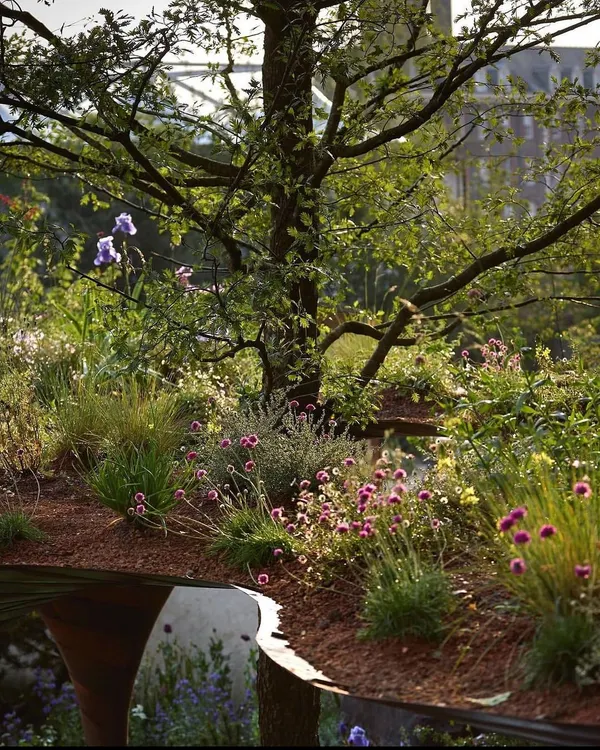
The Art of Planting and Professional Softscaping
Butterflies, Bees & Other Garden Friends
 9
9
Community-Led Environmental Action in Gurgaon
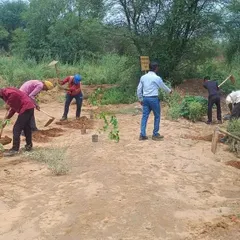
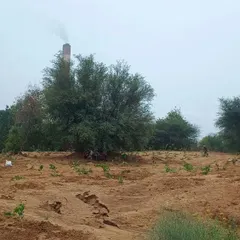
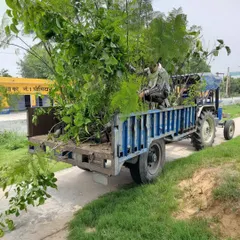
Our Green Initiatives & Plantation Drives
 12
12
Professional Planting Design & Garden Landscaping
More from Eco-Restoration Projects by Iamgurgaon
More services by Iamgurgaon