Restoring Biodiversity: Bringing Nature Back to Urban Spaces
Jab aap nature ko uski space dete ho, life apne aap wapas aa jati hai. We don't just plant trees; we build thriving, self-sustaining biodiversity parks where butterflies, birds, and insects find a home.
A beautiful Lesser Grass Blue butterfly rests on a leaf at our Jaunapur City Forest. The presence of such delicate insects is a clear indicator of a healthy, chemical-free environment where pollinators can thrive.
A Lime Butterfly, with its intricate wing patterns, finds a resting spot in our forest. By planting specific host plants, we actively encourage different butterfly species to make our sites their home.
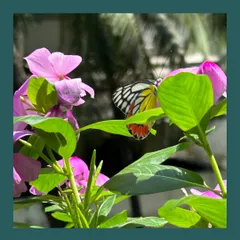
A tiny butterfly feeds on a wildflower, playing a crucial role in pollination. Our focus on creating a diverse, multi-layered ecosystem with native grasses and flowers supports a wide range of insect life.
A dragonfly rests on a water lily bud at one of our site ponds. Dragonflies are not only beautiful but are also excellent indicators of good water quality and a healthy aquatic ecosystem.
A golden-winged dragonfly perches on a flowering plant. These skilled aerial predators help control mosquito populations and are a welcome sign of a balanced insect community at our sites.
A White-throated Kingfisher and a Little Cormorant spotted at our Lucknow site. The presence of water birds is a direct result of our practice of building ponds and restoring wetlands within our projects.
A Red-wattled Lapwing and an Indian Pond Heron find a home at our HCL Foundation site. These ground-nesting and wading birds thrive in the mixed habitats of grassland and water bodies that we create.
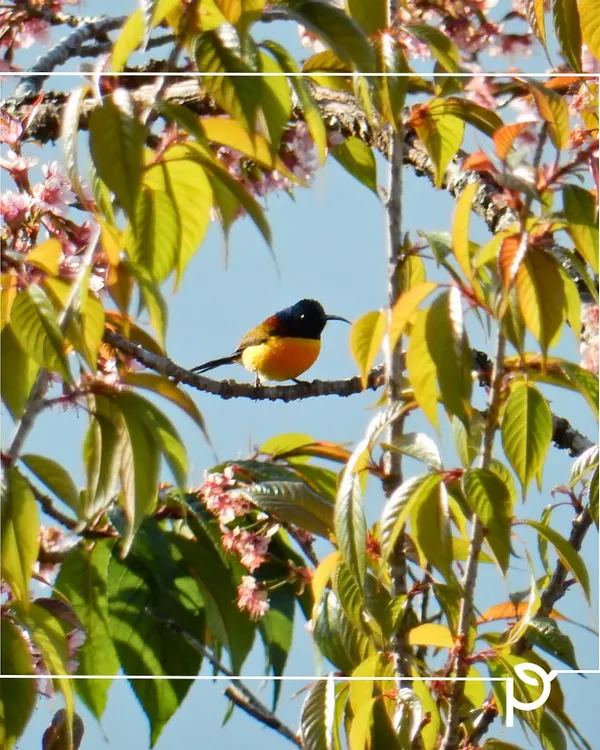
A Black Drongo perches on a branch while a Blister Beetle hangs from a leaf below. This image captures the diversity of life, from the sky to the foliage, that a restored ecosystem supports.
An Indian Bullfrog, a sign of a healthy amphibian population, is seen on the forest floor. Frogs are sensitive to pollution, so their presence is a strong testament to the clean and natural state of our sites.
A Cicada camouflaged on the bark of a tree. The loud, buzzing song of cicadas is a quintessential sound of a healthy Indian forest, and we are delighted to hear it at our restored sites.
About Life Returns: A Showcase of Biodiversity
When we talk about biodiversity, we aren't just planting saplings. We are setting the stage for a food web. By avoiding chemicals, building simple water ponds, and retaining native grasses, we see frogs, dragonflies, and butterflies return on their own. It is a slow, patient process, but watching a dead patch of land turn into a living, breathing ecosystem is the only result that matters.
Nature has its own intelligence, and our job is to step back and let it flourish. A true biodiversity park isn't manicured; it is messy, wild, and alive.
Our Approach to Restoration
We don't use chemicals or pesticides because they kill the very life we want to invite. Instead, we focus on the foundations:
- Water Sources: Even a simple earthen depression acts as a magnet for birds and dragonflies. When water is available, the ecosystem fills in the gaps.
- Native Flora: We plant species that belong to the local soil. These plants need less water, attract specific pollinators, and survive without pampering.
- Ground Layer: We keep the grass and creepers. Soil is a carbon sink, and native grasses provide critical shelter for insects like beetles and grasshoppers.
What to Expect
Whether we are working on a site like our Sector 150 project in Noida or our Lucknow forest, the results take time. You will start by seeing the small things: a few butterflies, a drongo, or a patch of cicadas. Over three years, with our maintenance team ensuring the saplings take hold, this transforms into a self-sustaining habitat.
We don't just hand over a forest; we create a space for students, corporates, and families to see how nature repairs itself. If you are looking to turn a barren plot into a living sanctuary, understand that this is a commitment to the long term.
Similar work from other experts
Browse through Curated picks from other experts on mytribe
 7
7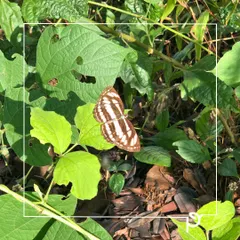
Pollinator-Friendly Garden Design
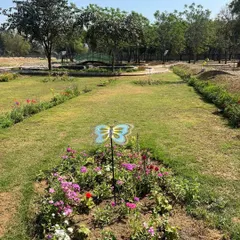
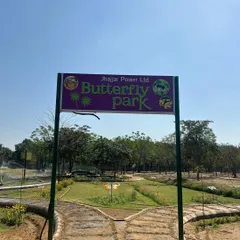
Project Spotlight: Butterfly Park at Jhajjar Power Ltd
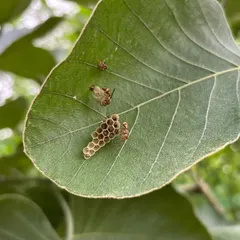
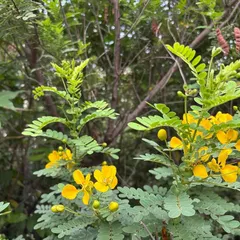
Rebuilding Habitats, Not Just Planting Trees
 17
17Sustainable Landscape Design and Integration
Urban Oases and Master Planning Design
Featured Landscape Projects and Signature Greenery Designs
More from Ecosystem & Habitat Restoration by Give Me Trees Trust
More services by Give Me Trees Trust