Butterflies, Bees & Other Garden Friends
A healthy garden is alive. It is not just about plants; it is about the buzzing, winged visitors that turn a patch of soil into a thriving ecosystem. Here is how I invite nature’s architects into my city home.
Our garden is home to 39 varieties of butterflies and moths. Creating a diverse ecosystem with native plants is the key to attracting these beautiful pollinators.
In the moments of darkness, focus on the transformation that is about to happen. A beautiful Plain Tiger butterfly emerges from its chrysalis.
From struggle to strength. The journey of a Red Pierrot butterfly from a tiny caterpillar to a beautiful winged creature is a lesson in perseverance.
Isn't it magical to witness metamorphosis? A Crimson Rose butterfly emerges, dries its wings, and prepares for its first flight.
Can you guess what this is? This tiny, spiky creature is a Red Pierrot caterpillar, waiting to transform into a beautiful butterfly.
A closer view of a Red Pierrot butterfly drinking nectar from a yellow flower. The intricate patterns on its wings are stunning.
Butterflies cannot see their own wings, but we can see how beautiful they are. Likewise, you may not realize how amazing you are, but others do.
Have you ever seen a butterfly feeding on a fruit instead of a flower? This Common Baron butterfly is enjoying the sweet juices of a guava.
Another amazing sight: butterflies feeding on a ripe Sapodilla (chikoo) fruit. A healthy garden provides food in many forms.
A thought for Monday: Comparison makes you feel small, individuality makes you beautiful. This tiny Grass Blue butterfly is perfect just as it is.
About Butterflies, Bees & Other Garden Friends
Creating a sanctuary for pollinators isn't about buying expensive houses; it’s about choosing the right host plants. For instance, growing native flowering plants instead of exotic hybrids creates a natural food source for local butterflies and bees. When I started seeing caterpillars and mud daubers on my window frames, I knew my Bengaluru balcony was finally a real part of the local habitat. If you have the right nectar sources, they will find you.
Building an Urban Ecosystem
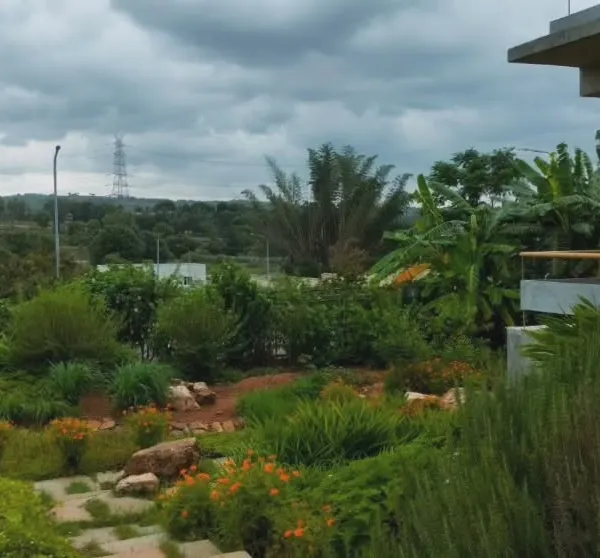
Many people worry that their urban garden lacks the space to attract wildlife. I have found the opposite to be true. Whether it is a tiny balcony or a 1500 sq ft terrace, the moment you stop using chemical pesticides, the local ecosystem responds. I have documented 39 different species of butterflies and moths right here in my city garden, simply by creating a safe space for them.
My Approach to Pollinators
I don't look at pests as something to eliminate; I look at my garden as a shared space. Here is what worked for me:
- Host Plants Matter: Butterflies need specific host plants to lay eggs. If you want to see a Red Pierrot, you need the right host plant for its caterpillars.
- Water Sources: A small shallow dish with pebbles provides a safe place for bees and butterflies to drink without drowning.
- Safe Havens: Allowing mud daubers to build nests on window frames and keeping corners of the garden 'messy' with dry leaves or twigs provides shelter.
Why No Chemicals?
Chemicals don't just kill the 'bad' bugs; they wipe out the bees, the butterflies, and the very predators that keep your garden balanced. When I see a potter wasp building a nest, I know my garden is healthy enough to sustain them. It is about patience. You will see lifecycles play out—from a tiny caterpillar to a chrysalis, to a winged beauty. It is the most rewarding part of gardening in Bengaluru.
Similar work from other experts
Browse through Curated picks from other experts on mytribe
 30
30
Gardening Tips and Expert Advice for Bengaluru Homes
A Thriving Ecosystem: Farmland Beyond Just Crops
Organic Pest and Disease Control for Terrace Gardens
Practical Gardening Tips for Bengaluru Homes
My Terrace Garden: Blooms and Spiritual Journey
 5
5