Master Khaliji, Pakistani, and Intricate Mehndi Styles
From the bold, flowy lines of Gulf-style Khaliji to the delicate, lace-like details of Pakistani henna, here is where we push boundaries and master the art of fine-line precision.
A finished Khaliji design with the henna paste applied. This style is known for its bold, dark-staining elements and the beautiful use of negative space on the skin.
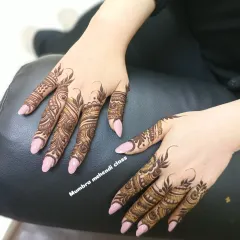
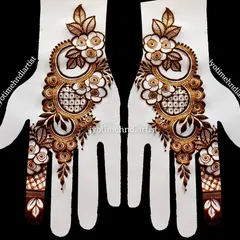
This is a classic Pakistani henna design, characterized by its very fine lines and detailed, almost lace-like patterns. We work on specific drills to achieve this level of intricacy.
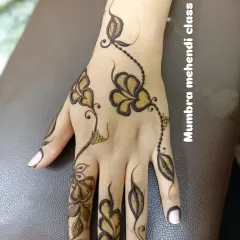
A video showing the application of a Khaliji-style floral vine. Notice the combination of fine outlines with bold, filled-in leaves, which gives the design its signature look.
This video shows the process of creating a modern Khaliji design on a practice hand. The style often features prominent floral and paisley motifs that flow across the hand.
A beautiful example of a sider design done in a fusion style, combining Khaliji leaves with more traditional Indian fillers. My classes teach you how to mix and match elements.
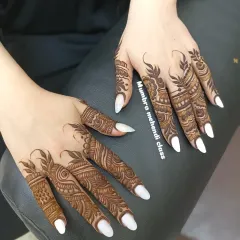
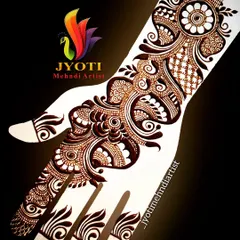
This is a Doha-style pattern, a variation of Gulf henna. It features repeating motifs and intricate linework, covering the hand in a very structured and elegant way.
A full-arm Gulf design featuring a cascade of roses. This shows how the flowing, organic elements of Khaliji art can be extended to create a stunning bridal sleeve.
About Exploring Styles: Khaliji, Pakistani & More
Many beginners rush their lines, but the secret to these styles is pressure control. If your grip is not steady, you will lose the sharpness needed for Khaliji and Pakistani patterns. In my classes, we work specifically on your cone hold and paste consistency so you can master these intricate designs without shaky hands.
These styles are all about the contrast between negative space and dense patterns. Whether you are aiming for the dramatic roses of a Khaliji design or the tiny, repetitive geometric fillers of a Pakistani bridal arm, the approach is different from traditional Indian mehndi.
Technical Focus
We focus on line weight. For Khaliji, you need to know how to switch from thick, bold outlines to super-fine details in the same piece. For Pakistani work, it is about patience—creating that lace effect requires slow, steady hand movements that cannot be rushed.
My Teaching Approach
In these sessions, we use acrylic practice hands and sketchbook drills before moving to skin. I show you how to map out a design so the spacing stays consistent. If you are struggling with shaky lines or paste that spreads too much, we will fix your cone recipe and grip technique first.
Whether you are a total beginner or an artist looking to refine your current portfolio, these techniques will help you offer something distinct to your clients. I conduct these sessions at my home in Wadala or online, and I make sure every student gets my full attention until they feel confident.
Similar work from other experts
Browse through Curated picks from other experts on mytribe
Exploring Diverse Mehendi Styles: Mumbai, Arabic & Bridal Art
Bold Arabic & Gulf Mehendi Design Classes
Explore Diverse Mehendi Design Styles: Learn from a Pro
Learn Advanced Mehendi Techniques and Custom Designs
Arabic & Gulf Style Mehndi Designs
 23
23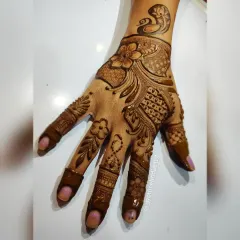
Arabic and Indo-Western Mehndi Designs and Training
More from Henna Art Classes by Saniya Javed Khan
More services by Saniya Javed Khan