Arabic & Gulf Style Mehndi Designs
Arabic mehndi is known for its bold lines, flowing vines, and elegant negative space. Whether you are learning to create simple floral patches or complex Gulf-style compositions, our modules guide you through every stroke.
This video shows the creation of a simple but elegant leaf-shaped motif on the palm, a common element in Arabic designs.
Learn how to draw a "Kairi" or paisley motif using the cutwork technique. This is a staple in both traditional and Arabic mehndi.
This tutorial shows how to create a startup design using vines, a foundational element for many Arabic-style patterns.
Many beginners find leaves tricky. This video shows a very easy way to create beautiful, bold leaves for your Arabic vine designs.
A tutorial on creating a simple floral vine, a classic and versatile element that is central to Arabic mehndi.
This video teaches how to make detailed Arabic-style leaves with internal netting and shading, adding texture to your designs.
Another variation of an Arabic leaf or "vein" motif, this one with bold shading and delicate lines.
Here are some examples of different leaf and vine styles we practice in class, which are the building blocks of Arabic mehndi.
Learn how to draw two different styles of Arabic flowers. These bold, open flowers are characteristic of the style.
This video shows how to create a detailed finger design, a key component of any full-hand mehndi look.
About Arabic & Gulf Style Designs
Creating Arabic designs is often about mastering pressure control and understanding where to leave empty space. We teach you how to maintain the balance between bold, dark strokes and delicate internal netting or shading, which is the secret to that classic, elegant Gulf-style look.
The Arabic mehndi style is defined by its clean, flowing lines and the strategic use of open space. Unlike traditional bridal styles that cover the entire hand, Gulf and Arabic designs rely on floral motifs, thick vines, and geometric patterns to create a contemporary look.
In our training modules, we break down the process into actionable steps:
- Understanding Flow: Learning how to map a vine across the natural curvature of the hand.
- The Floral Logic: Mastering the balance of bold outlines with internal shading or netting.
- Pressure Control: Using the cone to create consistent thickness, which is crucial for those dark, clean lines.
Many students struggle with making their patterns look light or airy. We focus on the art of subtraction—knowing exactly where to stop drawing to let the design breathe. Whether you are learning for personal application or to add a popular style to your professional portfolio, our live Zoom sessions provide real-time corrections. You get to see the hand movement up close, practice on templates, and receive feedback on your vine structure. We keep the instruction bilingual so you never feel lost, ensuring you master the art of the perfect Arabic leaf and flower.
Similar work from other experts
Browse through Curated picks from other experts on mytribe
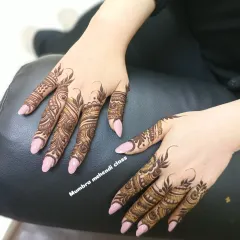
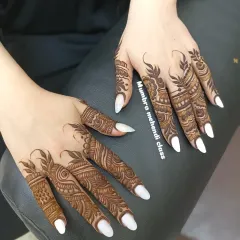
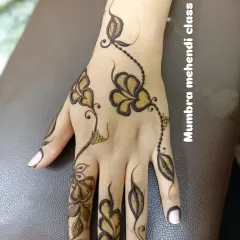
Bold Arabic & Gulf Mehendi Design Classes
Arabic and Modern Floral Mehndi Designs
 23
23
Arabic and Indo-Western Mehndi Designs and Training
 24
24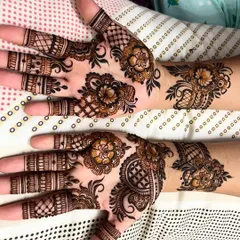
Elegant Floral Mehndi Designs
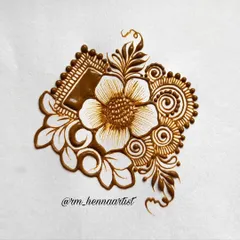
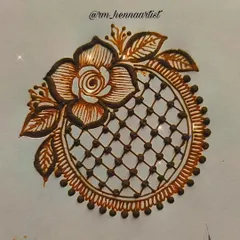
Mehendi Design Motifs and Floral Bunches
Exploring Diverse Mehendi Styles: Mumbai, Arabic & Bridal Art
More from Mehndi Art Classes & Training by DS Mehndi Artist
More services by DS Mehndi Artist