Start Your Own Organic Terrace Garden
From the first seed to your own organic harvest, here is how you can turn your terrace into a green space. Gardening is all about patience and getting the basics right, ahista ahista.
This is the result of patience and good mitti. I harvested the biggest lot of organic tomatoes from my terrace garden, including red cherry, yellow cherry, hybrid, and desi varieties. Growing your own food is super easy if you get the basics right, and the feeling of accomplishment is worth every bit of effort. It all starts with spreading the seeds, transplanting them into a fertile mix, and maintaining moisture, especially during the hot summers.
If your plants are struggling with flowering and fruiting, this is my go-to growth booster. I make this fertilizer mix with one part bone meal, one part neem khali, and four parts well-decomposed compost. Bone meal provides phosphorus for blooms, neem khali acts as a natural pest repellent, and compost provides all the essential micro and macro nutrients. I add about 100 grams to my plants once a month to recharge the soil.
This is your reminder that it's time to start your summer vegetable garden. Here, I am preparing a seedling mix of 50% compost and 50% cocopeat to sow seeds for ghia, zucchini, tori, bhindi, and melons. I also show my main potting mix recipe: 30% river sand, 30% garden soil, 30% compost, and 10% neem khali and bone meal. Getting the seed starting mix right is the first step to a successful summer garden.
I ran out of space with my grow bags, so I decided to make these DIY raised garden beds from some old tin sheets and wood I had lying around. I show the entire process, from building the frame to filling it up. The trick is to fill the bottom 70% with dry leaves and garden waste, which makes the beds lighter and provides nutrition as it decomposes. I then top it with my standard vegetable potting mix.
Cocopeat is a must-have if you want to save your plants in the summer. It's a compressed block of coconut husk that expands in water. I use it in my potting mixes to make them lighter, improve soil quality, and hold moisture for longer, which is crucial during hot weather. It's also fantastic for starting seeds, as its porous nature helps in developing strong roots. I use a mix of 50% compost and 50% cocopeat for all my seedlings.
Weight is a big concern for terrace gardening. Here’s a simple trick I use to make my planters lighter. I fill the bottom of the pots with dry leaves before adding my potting mix. Over time, these leaves decompose, providing valuable nutrients to the plant while keeping the overall weight of the planter down. This method is perfect for balconies and rooftops.
Setting up a winter garden is more than just sowing seeds; it involves some back-breaking work like preparing and moving the potting mix. Here you can see me mixing my trusted formula for vegetables: 40% compost, 30% river sand, and 30% garden soil. I also add neem khali and bone meal for extra nutrition and pest control. Good soil is the foundation of a healthy garden.
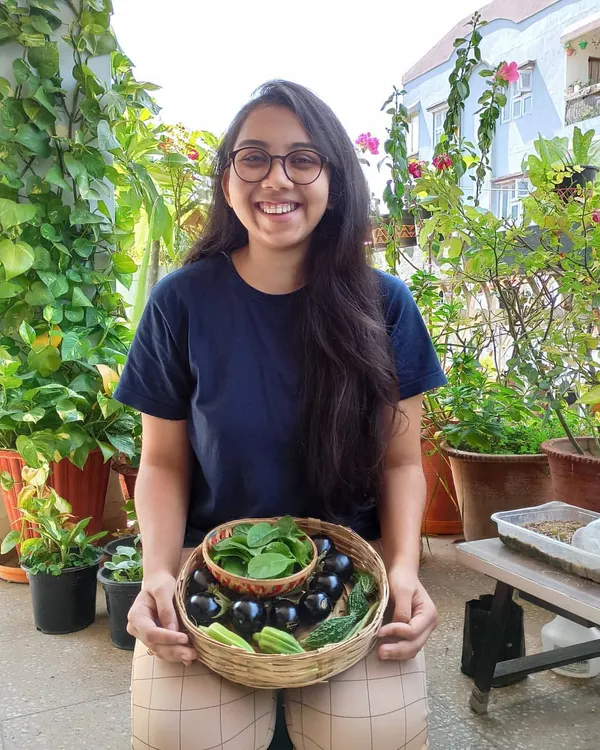
The season of good harvests is the most rewarding part of gardening. Here is a glimpse of my winter vegetable harvest, including fresh cauliflower, turnips, and different types of radishes. Seeing your hard work turn into fresh, organic food for the family is a feeling like no other.
About Featured
The secret to a thriving garden isn't just about watering or sun; it's about the mitti. My go-to formula is simple: 30% river sand, 30% soil, and 30% compost, mixed with neem khali. If your plants are struggling, it is usually because the soil is either too heavy or lacking nutrition, not because you do not have a green thumb.
Beyond the Surface
Gardening is my therapy, but I won’t sugarcoat it—it involves some back-breaking work. Whether it is moving bags of soil to the terrace or protecting seedlings from my 'friend' the peacock, you have to be ready for the reality. But when you finally harvest your own tomatoes or cauliflower, the effort feels worth every bit.
The Soil-First Approach
If you want healthy plants, you have to get the potting mix right. I avoid one-size-fits-all mixes. For vegetables, I swear by the 30-30-30 rule (Soil, Sand/Cocopeat, Compost). For beginners, adding neem khali is a must—it keeps the fungus away and acts as a mild pest repellent. If you are struggling with flowering, a mix of bone meal and compost once a month works wonders.
Managing Your Terrace Space
Weight is a huge concern for terrace gardeners. I don't use heavy pots alone. I use a 'bottom-fill' trick: I fill the bottom 40-70% of my planters with dry leaves, cardboard, and empty bottles. This makes the setup lighter and, as the waste decomposes, it feeds the plants from below. It is a win-win for your slab safety and your plant health.
Seasonal Planning
Don't try to grow everything at once. I categorize my work by season—sardi for cauliflower and radishes, garmi for ghia, tori, and melons. It is all about working with nature, not against it. If you are just starting, do not spend money on fancy containers. Use what you have, focus on the soil quality, and watch your garden grow.
Similar work from other experts
Browse through Curated picks from other experts on mytribe
Terrace Gardening: My Organic Garden Journey
My Proven Terrace Gardening Methods & Results
My Organic Garden Journey and Featured Setups
 7
7
My Urban Gardening Experiments & Tips
 31
31
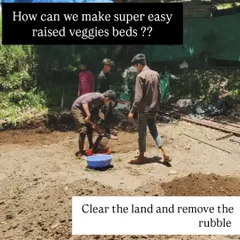
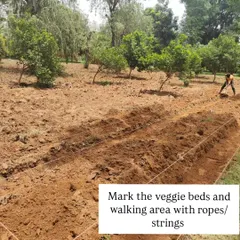
How we build your organic kitchen garden
 8
8
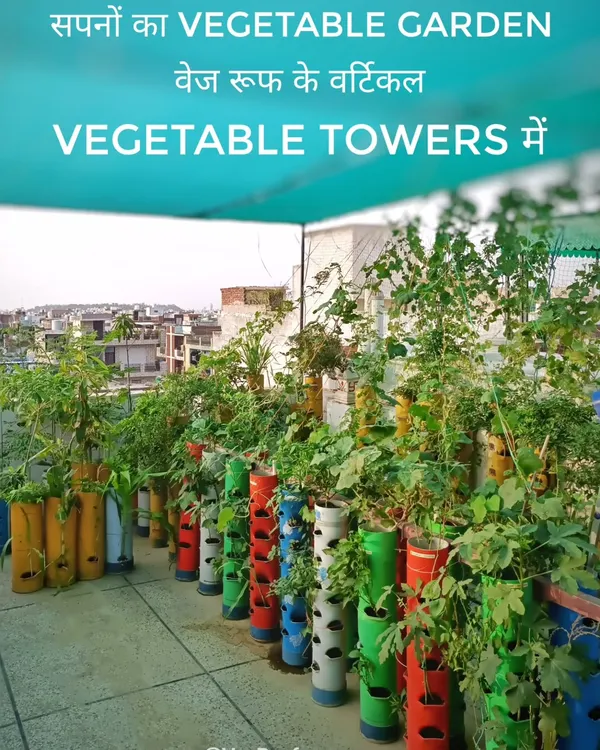
Vertical Vegetable Gardening Solutions
More from Garden Setup & Soil Formulation by Himanshu Mann
More services by Himanshu Mann