Mastering Hair Science & Client Consultation
Stop guessing and start knowing. I teach the science behind hair and scalp care, so you can offer solutions that actually work for your clients.
I explain the three scientific reasons why scalps feel more sensitive in winter. It's not just dryness; it's also about reduced blood flow and a slower repair of the scalp's protective barrier.
Why does dry scalp get worse in winter? I break down the causes: low humidity, hot water stripping natural oils, and hard water deposits. Understanding this helps you give better advice to your clients.
The Hair Porosity Test is a simple yet crucial step in hair analysis. This graphic explains how to test for low, medium, and high porosity and why it matters for product choice and application.
A simple but vital reminder for all stylists. Don't get confused: a strand test is for checking hair color results and integrity, while a patch test is for checking skin sensitivity to the color.
This is my reaction when a stylist asks if they can mix a permanent color like Koleston Perfect with a demi-permanent like Color Touch. The answer is no, and I explain why in my classes.
About Hair Science & Consultation
You often hear 'just apply this', but I focus on the chemistry behind it. Whether it is analyzing scalp sensitivity to winter dryness or understanding why you should never mix Koleston Perfect with Color Touch, I teach the technical protocols that stop common salon mistakes before they start.
To be a true expert, you must understand the 'why'. Many stylists get stuck in a rut because they memorize steps rather than internalizing the science. My training focuses on demystifying hair care and scalp analysis, giving you the confidence to troubleshoot any issue in your chair.
The Science of Scalp & Hair
Understanding hair porosity is the first step to successful color and treatment. I teach you how to analyze whether a client's hair has low, medium, or high porosity, which directly impacts how you choose your product and developer ratios. We also dive into common scalp issues—like why winter humidity, hot showers, and hard water cause flakiness and itching—and what advice you should actually give your clients to fix it.
Essential Safety Protocols
Don't get confused. A strand test is for checking hair color results and structural integrity, while a patch test is specifically for checking skin sensitivity. I walk you through these non-negotiable safety steps during every consultation workshop. My teaching is rooted in the Wella Professionals ecosystem, so we cover the exact mixing ratios (like 1:1.5 vs 1:1) and the differences between demi-permanent and permanent formulas.
My goal is to help you observe your clients, know your products, and ultimately, become your own teacher. We cover the real-world scenarios that happen on the salon floor so you can provide professional solutions, not just services.
Similar work from other experts
Browse through Curated picks from other experts on mytribe
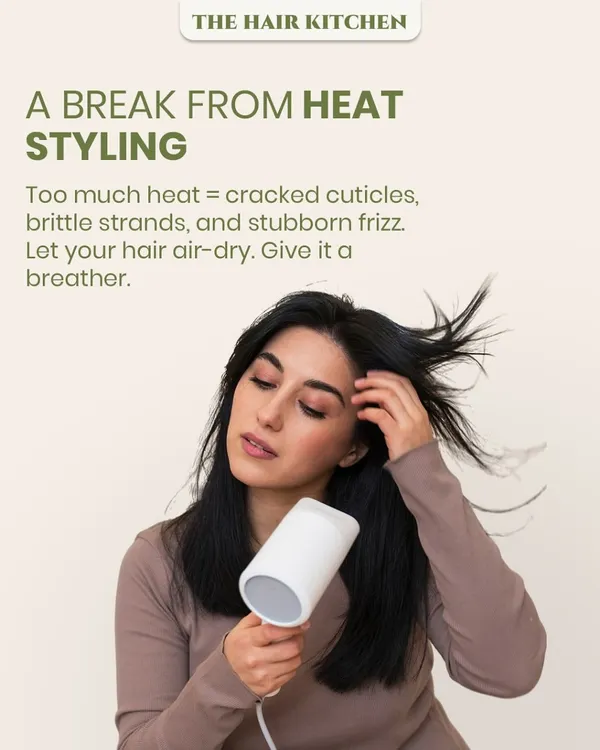
Professional Salon Training: Hair Science & Fundamentals
 24
24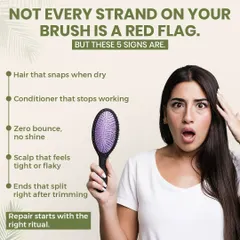

Understand Your Hair, Don't Just Style It
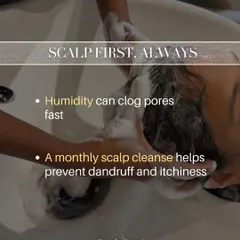
Scalp Health Assessment and Targeted Treatments
Healthy Hair Treatments and Professional Rehab
Personalized Hair Consultation & Expert Advice
Advanced Scalp & Hair Treatments
More from Professional Hairdressing Education by Gaurav Gupta
More services by Gaurav Gupta