Practical Resin Art Tips for Beginners
Not a pro yet? I'm sharing the messy, real-world hacks—from fixing bubbles to picking the right glue—that I learned the hard way in my Bangalore studios.
Want to know the real secrets to beautiful resin art? It comes down to using quality materials and having patience with your layers. Here I share some truths about what it really takes to create pieces that shine.
Wondering which glue is best for sticking photos into your resin art without leaving marks? I recommend B-7000 glue. It dries clear, has no residue, and is perfect for ensuring your precious photos are secure.
Having trouble with metal stickers peeling off your resin pieces? Here is a simple trick I use. Applying a bit of strong craft glue before placing the sticker ensures it stays put permanently.
Don't throw away your paint pen just because the tip is ruined. Most of these pens have a reversible tip. Just pull it out, flip it around, and you have a brand new point for creating fine lines.
Has your favorite silicone mould gotten old and lost its shine? You can still use it. A quick blast with a heat gun or blow torch on the final resin layer will bring back that glossy finish.
Here's a pro tip for working on mirrors. To avoid getting marks on the mirror surface while you work, you can use liquid latex. It's easy to apply and peels right off when you're done.
About Resin Tips for Beginners
The biggest secret to resin isn't just the pour; it's the prep work. If you're struggling with photos peeling off or metal stickers lifting after you demold, stop forcing it. I personally use B-7000 glue for photo applications because it dries clear and leaves zero residue, which saves me from those heartbreak moments where a perfect piece gets ruined at the final stage.
Resin art looks aesthetic on Instagram, but behind the scenes, it's a lot of chemistry and patience. Whether you're working out of my Nagarbhavi or Kammanahalli studios, or from your own home, understanding the technical side is non-negotiable. I've spent six years failing so you don't have to.
Troubleshooting Hacks
- Mirror Work: To avoid scratches or marks on mirrors, apply liquid latex before you start. It peels off cleanly once you're done, leaving the glass surface pristine.
- Pen Tips: If your paint pen tip is ruined, don't throw it away. Most have a reversible tip—just pull it out, flip it, and you have a fresh point for those fine details.
- Mold Maintenance: Old molds losing their shine? A quick blast with a heat gun or blowtorch on the final resin layer can often bring back that glossy, 'new' finish.
Why Start with a Workshop?
There is a lot of bad advice online. You can waste hours of expensive material trying to figure out mixing ratios or why your piece stayed tacky. In my workshops, I cut through the noise. We skip the boring theory and focus on the practical stuff: how to avoid air bubbles, how to handle deep pours, and the actual business of sourcing materials. If you're serious about taking your art from a kitchen-table experiment to something you can actually sell, I'm here to show you how to do it without the burnout.
Similar work from other experts
Browse through Curated picks from other experts on mytribe
Practical Art Tips for Every Beginner
 23
23Behind the Scenes: The Real Art of Resin Making
The Complete Resin Table Journey: From Wood to Wow
 15
15

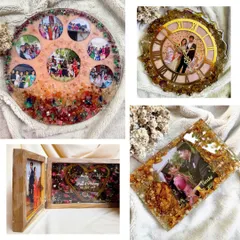
A peek inside my resin art studio
Resin Art Magic: Learn to Create Ocean Clocks & Geodes
Behind the Scenes: How We Create Your Resin Keepsakes
More from Personalized Resin Art Classes by Flicker Colors
More services by Flicker Colors