Practical Art Tips for Every Beginner
I am Namratha, and I believe art is a skill you learn, not just a talent you're born with. These tips are small, actionable steps to help you avoid common mistakes and get better at painting, sketching, and preserving your work.
In this video, I explain when and how to prime your canvas. This simple step can make a huge difference in your painting, creating a smoother surface and making your colors appear more vibrant.
Here, I break down how to approach a black and white artwork. I explain the importance of value and layering to create depth and realism, focusing on how to preserve the white highlights for a striking contrast.
Did you know you can use salt in your watercolor paintings? I demonstrate this simple trick to create beautiful, crystal like textures, perfect for painting skies, water, or abstract backgrounds.
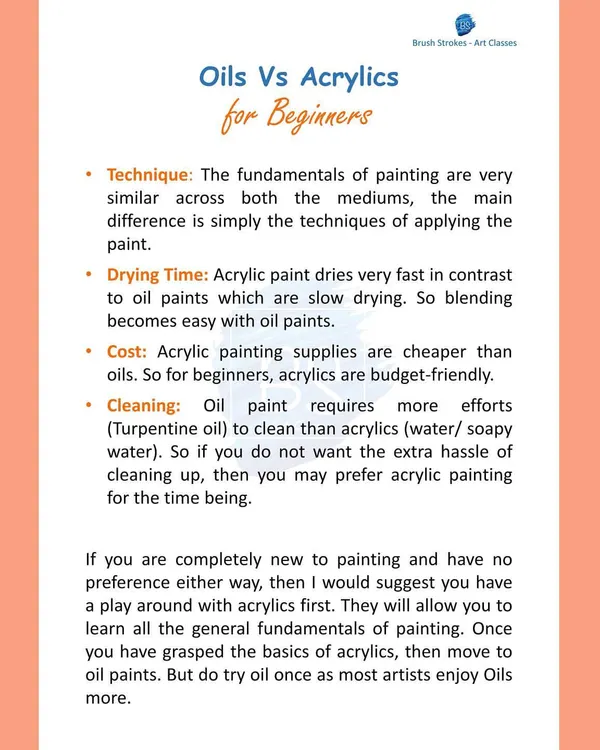
If you're a beginner and don't know what to paint, my advice is to start with a landscape. I explain why landscapes are forgiving and teach you a few simple techniques like blending and dabbing to get started.
Many students struggle with acrylic paint not sticking to the canvas. In this video, I diagnose the common mistakes, such as not priming the canvas or using paint that is too thin, and show you how to fix them.
Fixative or varnish? It's a common point of confusion. I clarify the difference between the two, explaining that fixative is for dry mediums like charcoal and varnish is for wet mediums like acrylics and oils.
About Expert Art Tips from Our Founder
A lot of students ask me if they need expensive tools to start, and my answer is always no. The real difference in your work often comes down to basics like canvas preparation. For example, applying a simple coat of gesso in thin, alternating layers doesn't just make the surface smoother—it ensures your acrylic paints adhere properly and stay vibrant rather than peeling or fading over time.
Mastering the Fundamentals
Whether you are picking up a brush for the first time or looking to refine your technique, the approach matters more than the gear. In my studio, we focus on demystifying the process.
Preparing Your Canvas New or raw canvases can be rough, which makes painting a struggle. Always prime your surface with gesso. Thin it with a little water and apply it once vertically, let it dry, then apply a second layer horizontally. This simple step creates a professional-grade surface that makes blending significantly easier.
Fixatives vs. Varnishes One common confusion is how to finish your work. If you are using dry mediums—like charcoal, pencil, or soft pastels—you need a fixative spray to stop the artwork from smudging. If you are working with wet mediums like acrylics or oils, you need a varnish. This seals the painting, protects it from dust, and adds that final polished finish.
Building Confidence If you don't know what to paint, start with a landscape. Unlike portraits or realistic objects, landscapes are forgiving. They rely on textures like dabbing for foliage or blending for skies, so there are no wrong shapes. It is the best way to get comfortable with your materials before moving on to more complex subjects.
Join Our Community in HSR
At Art Beat, we don't just teach you to draw; we teach you how to see. My workshops in HSR Layout are designed for people who want to learn a skill in a relaxed, judgement-free space. Whether it is an 8-week specialist course or a weekend workshop, we provide everything you need. You just have to show up.
Similar work from other experts
Browse through Curated picks from other experts on mytribe
 17
17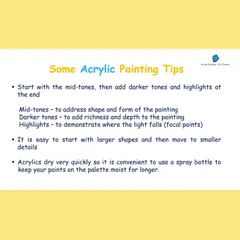
Art Fundamentals & Tips: Simple Guides to Start Painting
Art Tutorials and Beginner Painting Inspiration
From My Sketchbook: Tutorials & Process
Guided Art Sessions for All Skill Levels
 7
7
Art Basics & Creative Tips for Beginners


Watercolor Demos and Painting Tips by Basit
More from Art Classes for Kids & Teens by Art Beat
More services by Art Beat