Large-Scale Land Regeneration & Permaculture Design
We restore degraded landscapes by working with nature's own design. From contour mapping to water-harvesting swales, we turn large, empty plots into thriving, productive ecosystems.
A view of the completed organic veggie garden we designed in Ranthambore. The curved terracotta beds are now filled with thriving plants like corn and gourds, creating a productive and aesthetically pleasing landscape.
A walkthrough of the Ranthambore garden, showing the layout of the raised beds and the variety of plants growing. We use natural pest control methods like sticky traps, seen here as yellow and blue tags, to protect the crops organically.
The garden in Ranthambore is teeming with life. This video shows the lush growth of pumpkin vines and other vegetables, demonstrating the success of our ecological design approach in creating a fertile environment.
Here we are on-site in Ranthambore, walking through the newly established organic orchard. We work closely with our clients to design and execute projects that align with their vision and the land's natural potential.
For a large permaculture site in Rajasthan, our first step was to map the land's contours and natural water flow. This technical drawing shows our plan to create swales along the contour lines to slow and capture rainwater.
Before our intervention, rainwater would cause significant soil erosion on this site in Rajasthan. Our goal was to mimic nature's way of slowing water flow to prevent this loss of valuable topsoil.
This is the result. By digging swales, we created channels that capture monsoon rains, allowing the water to percolate slowly into the ground. This simple technique transforms an erosion problem into a water conservation solution.
Here you can see the machinery at work, digging the swales. These trenches are crucial for increasing water percolation and managing the energy of stormwater, recharging the groundwater and building soil moisture.
This diagram explains how a swale and bund system works. The swale, or trench, holds water, while the bund, or mound, on the downhill side allows it to retain even more, maximizing water absorption into the soil.
This aerial map shows our comprehensive water conservation strategy for a site near Jaipur. We designed a network of swales, ponds, and check dams to capture monsoon runoff and channel it across the landscape.
About Large-Scale Land Regeneration
When we assess a large plot, the first thing we look at is water movement, not soil quality. By mapping contours and building swales, we capture monsoon energy and store it in the ground, solving erosion before we even plant a single seed. If you have land that struggles with dry spells or topsoil loss, this is where your transformation begins.
Restoring the Earth's Natural Rhythm
Large-scale regeneration is not about fighting the terrain. It is about listening to it. When we take on a project, whether in the arid landscapes of Rajasthan or the outskirts of Delhi, we start with a deep dive into the land's hydrology.
Our Regenerative Design Approach
We use permaculture principles to transform barren patches into living, breathing farms. Our process typically involves:
- Contour Mapping: Before any digging, we map the natural flow of rainwater to understand how to keep it on your land.
- Swale Systems: We dig shallow trenches along contour lines to slow down stormwater. This allows water to percolate deep into the water table rather than washing away fertile topsoil.
- Earthwork & Bunds: The soil excavated from swales creates 'bunds,' which act as natural barriers and planting zones to maximize water absorption.
- Biological Stabilization: We plant local grasses and deep-rooted species on slopes to bind the soil and create habitats for beneficial insects.
- Protective Mulching: We cover the root zones of new saplings with organic mulch, mimicking the forest floor to keep moisture in and protect roots from the harsh sun.
Why Regeneration Matters
It is not just about aesthetics. It is about building a system that becomes self-sufficient. By focusing on water conservation—through ponds, check dams, and swales—we ensure your land stays resilient during dry seasons. We are not just designing a farm; we are creating an ecosystem that heals itself, season after season.
Similar work from other experts
Browse through Curated picks from other experts on mytribe
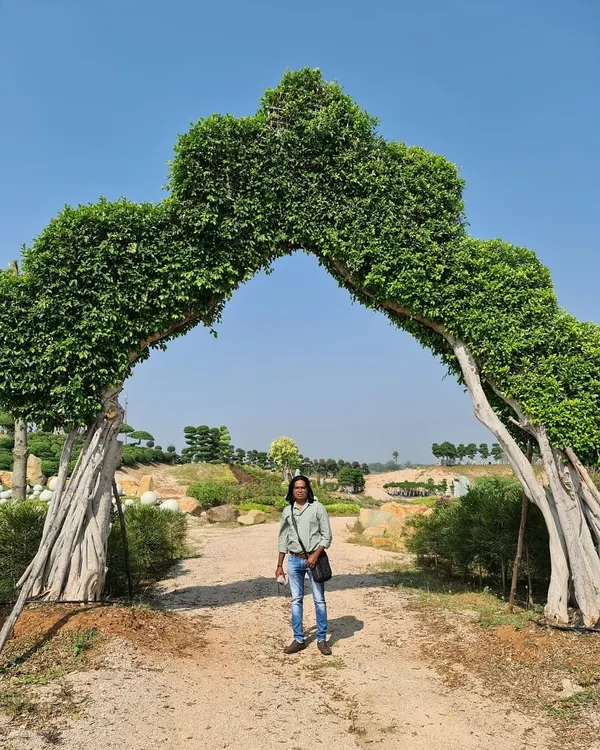 21
21
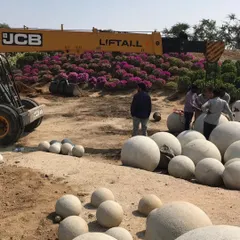
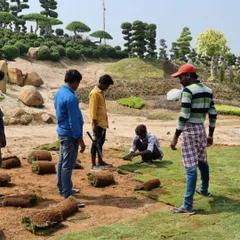
Grand-Scale Farmhouse and Botanical Garden Landscapes
 6
6

Learn Permaculture and Soil Health Management
Backyard and Farmhouse Landscape Design
Expansive Landscapes and Farmhouse Garden Design
 7
7
Professional Landscape Design and Construction
 17
17Sustainable Landscape Design and Integration
More from Farm Management & Leasing by Edible Routes
More services by Edible Routes