The Veena: An Enduring Passion and History
Looking at these 1950s veenas reminds me why I love this instrument so much! It is not just about the music—it is about the deep history embedded in the wood and strings.
I was fascinated by this historical veena from the 1950s or 60s at the Venkatappa Art Gallery. The craftsmanship and design details, like the small resonators on the top board, offer a glimpse into the instrument's evolution.
A closer look at the unique bridge and inlaid patterns on one of the vintage veenas. Studying these historical instruments provides deep insights into the art of veena making.
This beautiful veena, preserved in a glass case, is a piece of history. Understanding the instrument's past enriches my own approach to playing and teaching it today.
About The Veena: An Enduring Passion
These antique instruments are not just relics; they teach us so much about the evolution of the Meetu—the plucking technique that defines the veena's soul. When I teach my students, I often refer back to how these classic builds prioritized natural resonance, which is exactly why we train in a non-AC acoustic room in Malleswaram. Understanding the 'how' behind these vintage designs is a core part of how we approach tone and technique in my classes today.
Studying these instruments at the Venkatappa Art Gallery was a reminder of the craftsmanship that defines our tradition. The placement of those five small resonators on the top board is something that continues to intrigue me, as it speaks to the experiments instrument makers were conducting decades ago to enhance projection.
This pursuit of knowledge—understanding the mechanics of the sound, the history of the ragas, and the legacy of composers like Muthuswami Dikshitar—is what I bring to every class. Whether you are picking up the veena for the first time or looking to refine your Manodharma for a Vidwat-level performance, the approach remains the same: we balance rigorous technique with deep research.
At Tarangini Arts Foundation in Malleswaram, we focus on Meetu and sitting posture in an acoustic environment designed to let the wood breathe. My classes are structured to help you understand the 'why' behind the music, just as much as the 'how'. If you are curious about the evolution of the veena or want to start your own practice, I would love to guide you through it.
Similar work from other experts
Browse through Curated picks from other experts on mytribe
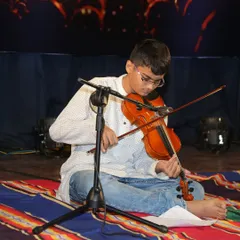
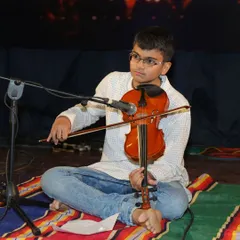
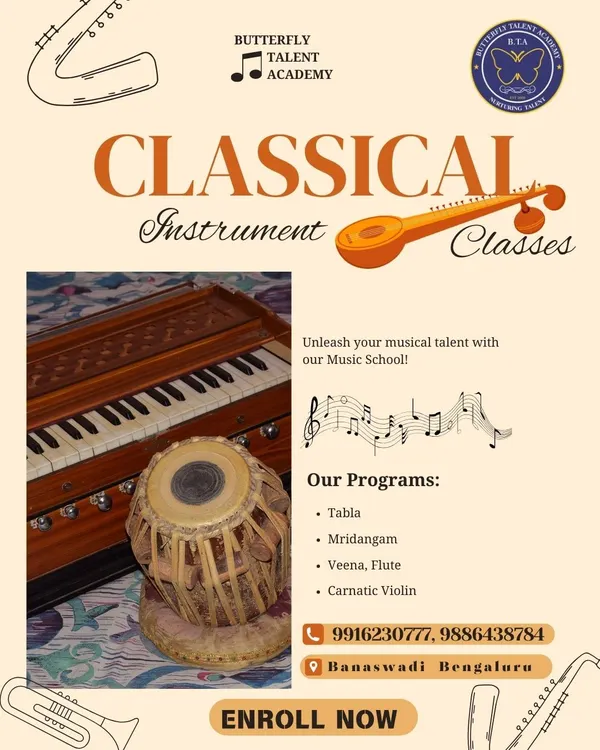
Violin and Veena Classes in Bangalore
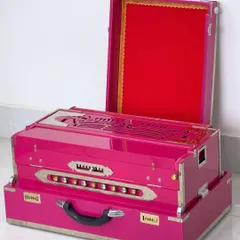
Indian Classical & Folk Instruments
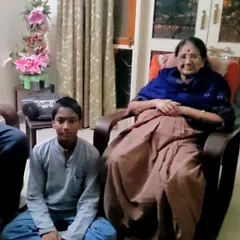
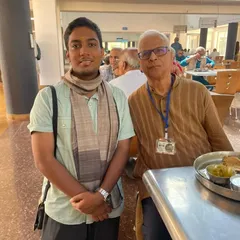
Moments With Mentors And Fellow Musicians
 7
7

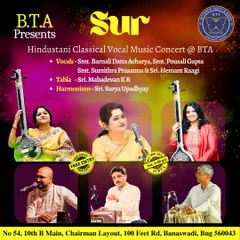
Learn Indian Classical Music in Banaswadi
 22
22

Learn Hindustani and Carnatic Music
 4
4
Learning Sitar in the Tradition of Masters
More from Veena & Carnatic Music Education by Suma Sudhindra
More services by Suma Sudhindra