Understanding and Diagnosing Hair Fall: Science-Backed Solutions
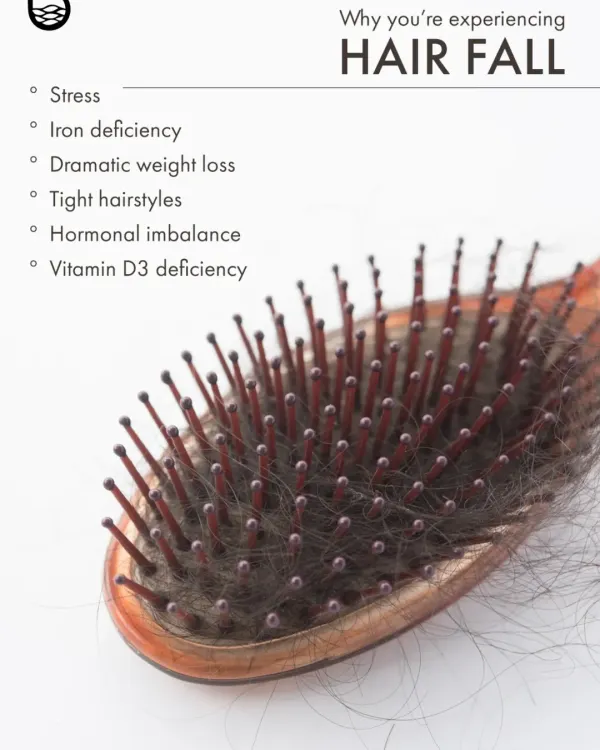
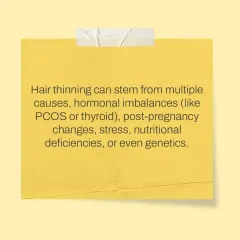
Hair fall isn't just about changing your shampoo or applying oil. Often, it is an internal signal your body is sending. I focus on uncovering the root cause, whether it is nutritional, hormonal, or stress-related, before we even start a treatment plan.
"Doc, should I get tests for my hair fall?" Yes, absolutely. Checking levels of Vitamin B12, Vitamin D, ferritin, and thyroid function is essential. This data helps me move beyond guesswork and find the true root cause of your hair loss.
Sudden and significant hair shedding is often telogen effluvium, a delayed reaction to a past event like a high fever, major stress, or a crash diet. While your hair will come back, consulting a dermatologist ensures a faster and healthier recovery.
If you notice more hair fall during the monsoon, you are not alone. This is seasonal telogen effluvium, caused by increased humidity and moisture. I recommend avoiding heavy oils and using a scalp-cleansing shampoo to manage it.
About Understanding & Diagnosing Hair Fall
Most people start by trying different oils or expensive shampoos, but that rarely touches the actual cause. When you visit me for a consultation, we do not start with a generic prescription. We run a digital trichoscopy scan to see what is happening at the follicle level and review your blood work for deficiencies like low Vitamin D, B12, or ferritin. This data is the only way to move beyond guesswork and find out why you are actually losing hair.
The Diagnostic Difference
My approach is simple: diagnose first, treat later. If you are experiencing shedding, simply buying a new product is not going to fix the issue if your iron levels are tanked or your thyroid is acting up. During a consultation at my Ghaziabad clinic, we look for:
- Nutritional Deficiencies: I check your blood markers for Vitamin D3, B12, and ferritin. If your body lacks the building blocks for hair, no topical product can compensate for that.
- Digital Trichoscopy: This is not a guess; it is a visual. I use a dermatoscope to look at your scalp density and hair shaft quality, which helps us differentiate between pattern thinning and acute shedding.
- Hormonal & Stress Factors: We review recent history like high-grade fevers, crash diets, or periods of high stress, which often lead to conditions like Telogen Effluvium.
Why 'Oiling' Isn't the Answer
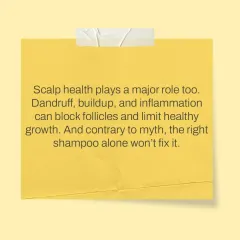
There is a massive amount of misinformation online. Oiling does not make hair grow faster, and for someone with an already oily scalp or dandruff, heavy oils can actually create a breeding ground for fungal growth. My goal is to stop you from wasting money on products that aren't solving the problem. Whether it is seasonal shedding due to monsoon humidity or chronic thinning that requires GFC therapy, the treatment plan must be specific to your scalp health.
Getting Started
We start with a 20-minute discussion where we map out your history and current routine. From there, we build a path that is actually meant for you. If you have been struggling with hair loss and nothing seems to work, it is time to stop the trial-and-error cycle.
Similar work from other experts
Browse through Curated picks from other experts on mytribe
Diagnosing the Real Cause of Your Hair Loss
 6
6
Diagnostic Approach to Hair Loss
Hair Loss Diagnosis: Why Root Cause Matters More Than Treatment
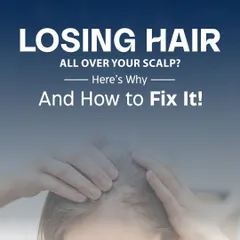
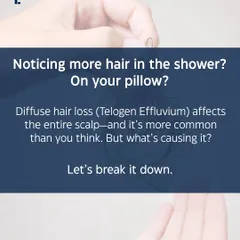
Identifying the Root Cause of Hair Loss
Finding the Root Cause of Hair Loss
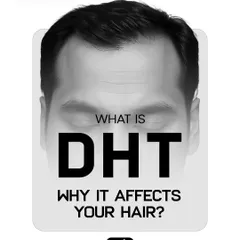
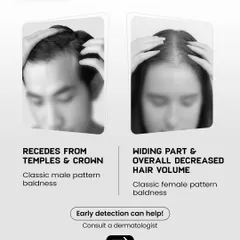
Understanding Your Hair Loss: Diagnostic Medical Care
More from Hair & Scalp Treatments by Meha Tyagi
More services by Meha Tyagi