Nutrition and Lifestyle Habits for Stronger Hair
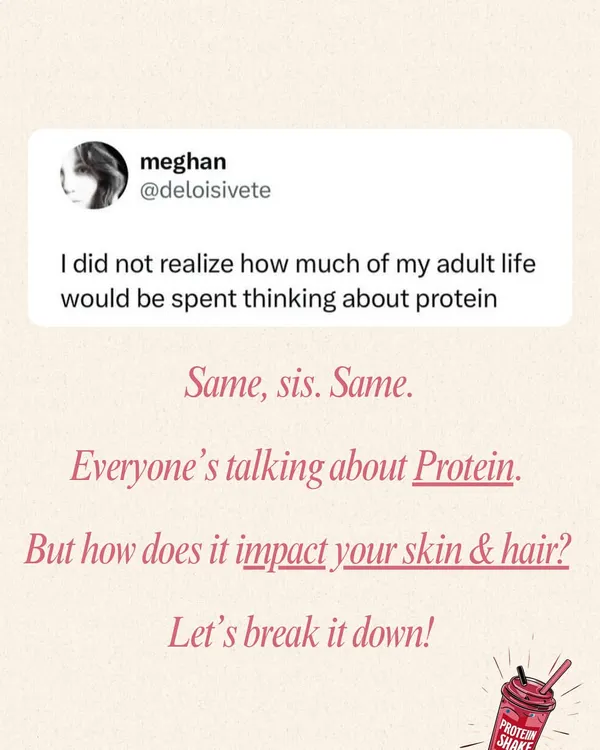
Healthy hair starts from within. Forget expensive serums for a moment—if your protein intake is low or your lifestyle habits are off, no bottle will fix it. Let’s get to the root of your hair health.
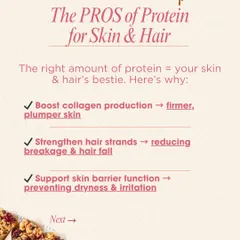
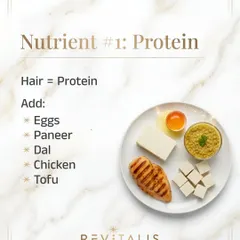
To nourish your hair from the inside, focus on your diet. The most important thing is increasing your protein intake through eggs, paneer, soya, and dals. Adding a spoonful of seeds like flax or pumpkin daily also provides vital nutrients.
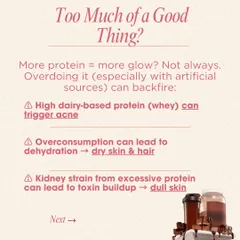
A healthy lifestyle is key for healthy skin and hair. Simple changes like eating fresh fruits and vegetables, exercising regularly, staying hydrated, and cutting down on sugar and smoking can make a huge difference in preventing premature aging and hair issues.
About Nutrition & Lifestyle for Strong Hair
If you are struggling with hair thinning, the first thing I look at is your protein intake. Supplements are secondary, but if your daily meals do not have enough paneer, eggs, or legumes, your hair follicles simply do not have the building blocks they need. Before trying new serums, we need to fix your nutritional baseline and identify the lifestyle habits—like irregular sleep or stress—that are holding your hair growth back.
Beyond the Bottle
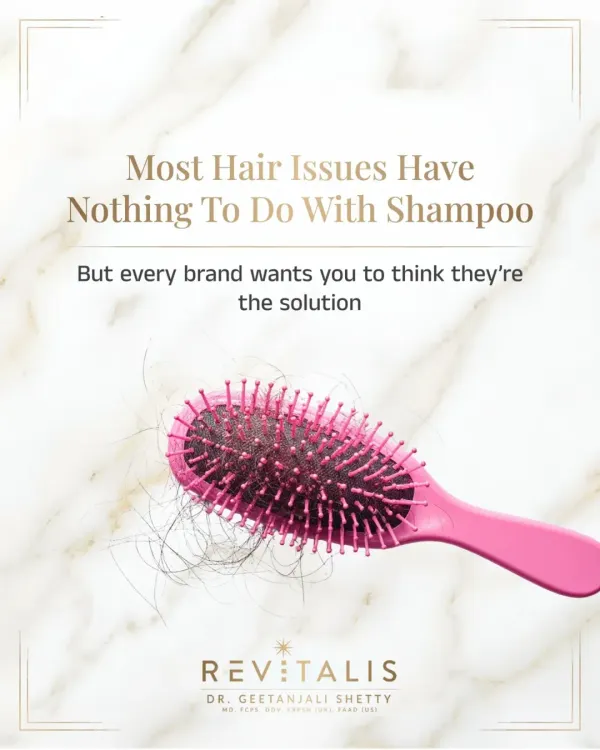
We often look for a quick fix in a shampoo bottle, but hair is a mirror of your internal health. If you are dealing with chronic hair fall or slow growth, we need to look at your biochemistry, not just your bathroom cabinet.
Why Protein Matters
Your hair is made of keratin, which is a protein. If you are vegetarian, it is very easy to miss your daily protein requirements. I often see patients with thinning hair who are unknowingly starving their follicles. I don't just tell you to 'eat healthy.' We look at incorporating specific sources like seeds (flax, pumpkin), paneer, legumes, and eggs into your daily routine. It is about consistent habits, not crash diets.
Lifestyle Triggers
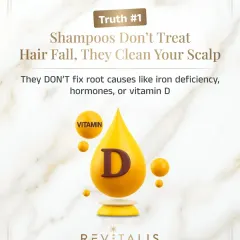
Your hair cycle is sensitive to stress, sleep deprivation, and hydration. Smoking and high sugar intake are major enemies of hair density. In my clinic, we often find that the 'mystery' hair fall is actually tied to high cortisol levels from stress or a Vitamin D deficiency that has gone undiagnosed.
Diagnosis Over Guesswork
I don't believe in guesswork. Before we change your diet or start supplements, I conduct a digital trichoscopy to visualize your scalp density and hair shaft quality. This helps us distinguish between temporary shedding and actual thinning. If you are ready to stop relying on influencer trends and get a plan that is backed by real medical science, let’s sit down, review your blood work, and build a strategy that actually works.
Similar work from other experts
Browse through Curated picks from other experts on mytribe
Nourish From Within: Diet & Lifestyle for Strong Hair
 6
6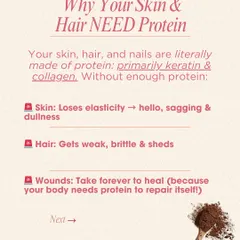
Nutrition for Hair Health
 12
12
Eat Your Way to Stronger Hair
Nutrition: Fueling Your Hair from Within
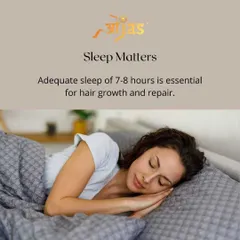
Fix Your Hair Health with a Holistic Lifestyle Approach
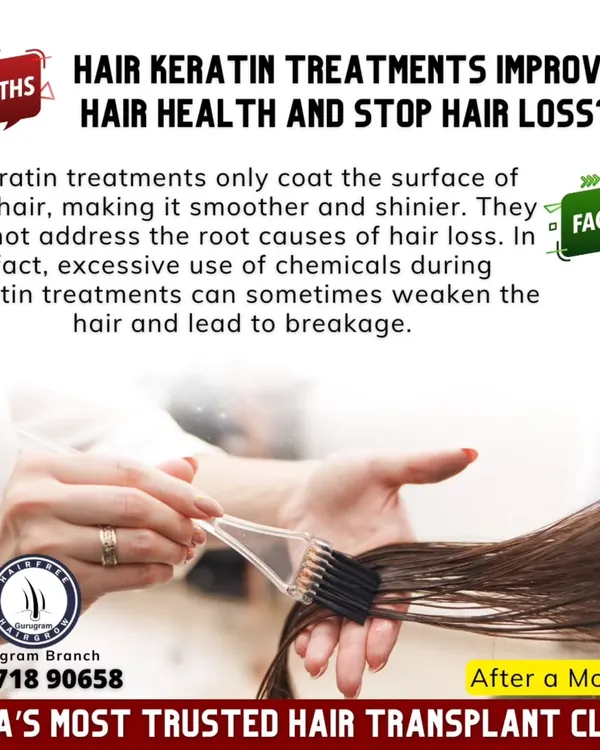 12
12
Hair Health: Busting Myths and Practical Lifestyle Tips
More from Hair & Scalp Treatments by Meha Tyagi
More services by Meha Tyagi