Risky Skincare Routines: The Truth About DIY Hacks
Don't let a viral trend damage your skin. Get the facts on what to avoid so you can focus on treatments that are actually safe and effective.
Stop doing these things at home. Your skin and hair deserve professional care, not DIY disasters that can lead to burns, scars, and infections. This series covers the treatments you should never attempt yourself.
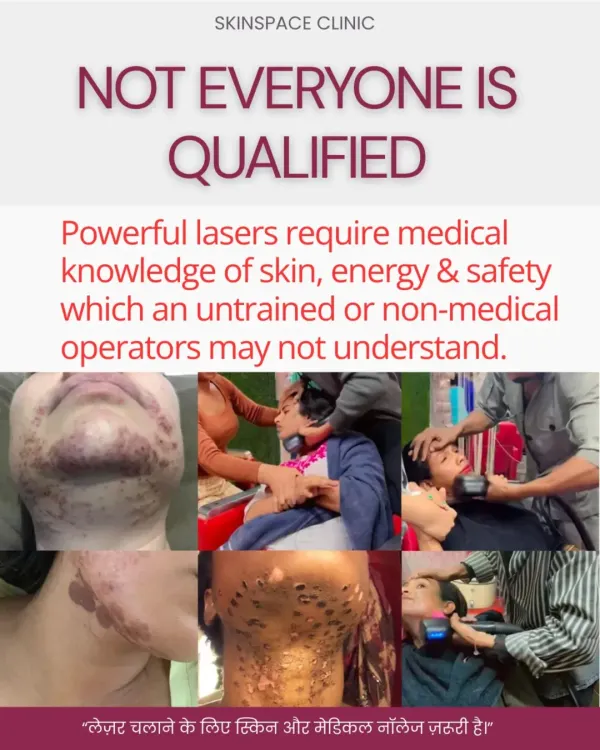
At-home or salon laser hair reduction is risky. These settings often use devices with unsafe wavelengths and lack proper skin typing, leading to a high risk of burns and pigmentation. Leave lasers to dermatologists.
At-home or salon IV drips for skin glowing are a huge risk. Without medical supervision, you face the danger of infection, air embolism, and electrolyte imbalance. Not every drip makes you glow; some can make you very sick.
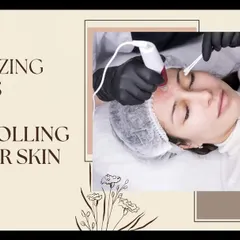
Using dermarollers or microneedling devices at home is a recipe for disaster. You risk using the wrong needle depth, causing infection, scarring, and pigmentation. This is not DIY; it's DIY regret.
At-home chemical peels are dangerous. Using the wrong acid, strength, or timing can result in severe chemical burns, hyperpigmentation, and permanent scarring. Peel sessions should come with credentials, not kitchen towels.
Facials at salons that use bleaching agents or "fairness" creams often contain harsh steroids or even mercury. These can permanently damage your skin barrier. Your skin doesn't want to be 'fair'; it wants to be healthy.
Seeing laser hair reduction done at a salon like this is concerning. LHR is a medical procedure that requires an FDA-approved device and a certified professional who can evaluate your skin and hair type to ensure safety and effectiveness.
Your hair styling products can cause breakouts. Hairspray contains alcohol and other ingredients that can clog pores if they land on your skin. Always use a face shield or towel to protect your skin during application.
I'm seeing 13-year-olds using 10-step routines with retinols and acids because of social media. This is a huge problem. Teenage skin is still developing and only needs a simple routine: cleanser, moisturizer, and sunscreen.
Skincare is not one-size-fits-all. A treatment that worked for an influencer online may not be right for your skin type, your concern, or your stage of life.
About Risky Routines: What to Avoid
Before you buy that at-home dermaroller or book a 'whitening' salon IV drip, look at the actual risk. These are medical procedures, not DIY projects. Attempting them without a diagnostic assessment of your skin type often leads to permanent scarring, chemical burns, or infections. Your skin barrier is resilient, but it is not indestructible, and no viral video is worth a trip to the emergency room.
Why Trending Hacks Fail
Social media loves a quick fix, but biology doesn't work that way. Most viral skincare routines are designed for engagement, not your skin health. When you copy an influencer's routine without knowing your specific skin type, history, or underlying conditions, you are gambling with your health.
The Danger of 'Salon' Medicine
Procedures like Laser Hair Reduction (LHR) or chemical peels require medical expertise. When these are performed by salon technicians without a dermatologist's supervision, the risks are real:
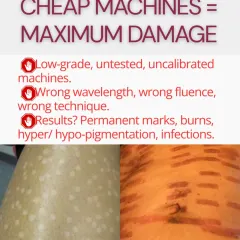
- Deep Burns: Poorly calibrated lasers cause irreversible damage.
- Pigmentation: Incorrect chemical strengths lead to long-term discoloration.
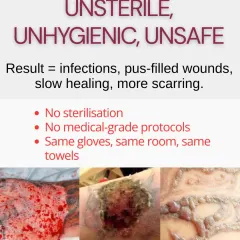
- Infections: Non-sterile DIY microneedling creates micro-tears that invite bacteria.
Teenage Skincare: Start Smart
I see 13-year-olds using retinols and 10-step routines because they saw it online. This is damaging their developing skin barrier and potentially disrupting their hormonal balance. Teenage skin needs simplicity: a gentle cleanser, a basic moisturizer, and a good sunscreen. Anything more is not just unnecessary; it is a recipe for future acne and irritation.
Your Skin, Your Plan
Instead of guessing, come for a proper consultation. We do not do 'one-size-fits-all' care. Whether you are dealing with acne, pigmentation, or just want to improve your skin texture, we assess your medical history, blood reports, and lifestyle to build a routine that is safe and effective. Don't waste money on products that aren't for you. Let's start with a proper diagnosis instead of a random trend.
Similar work from other experts
Browse through Curated picks from other experts on mytribe
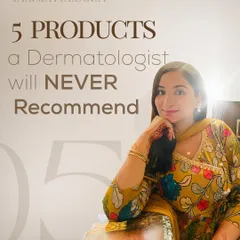

Stop Following These Dangerous Skincare Myths
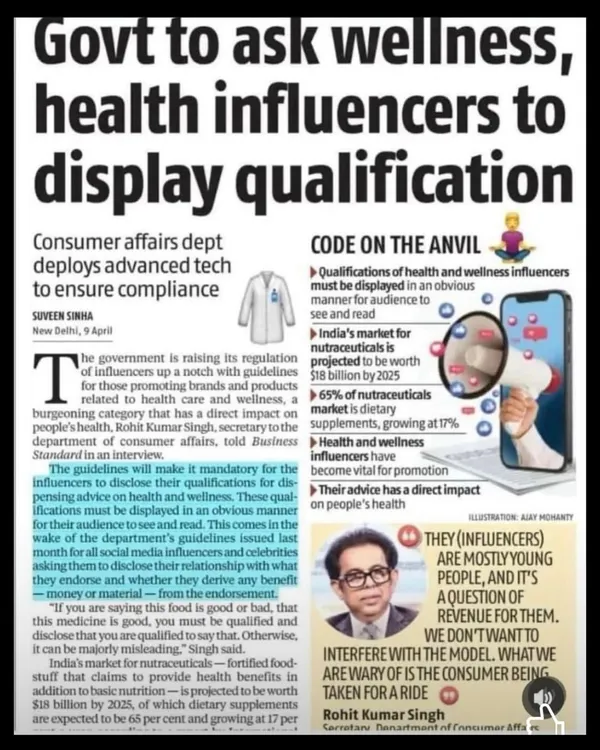 17
17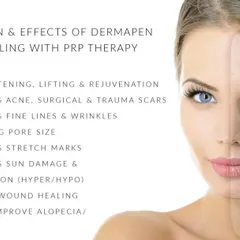

Dermatologist-Approved Skincare Advice and Skin Health Tips
 5
5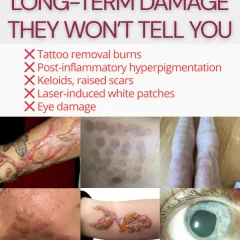
Why Expert Laser Safety Matters at SkinSpace Clinic
Safe Skincare: A Doctor’s Guide to Avoiding Myths


Laser Hair Removal: Professional Treatments vs. At-Home Devices
Skincare Myth-Busting: Science-Backed Facts for Healthy Skin
More from Dermatology & Trichology Consultation by Saloni Vora-Gala