Stop Following Viral Skincare Myths: Truth vs. Trends
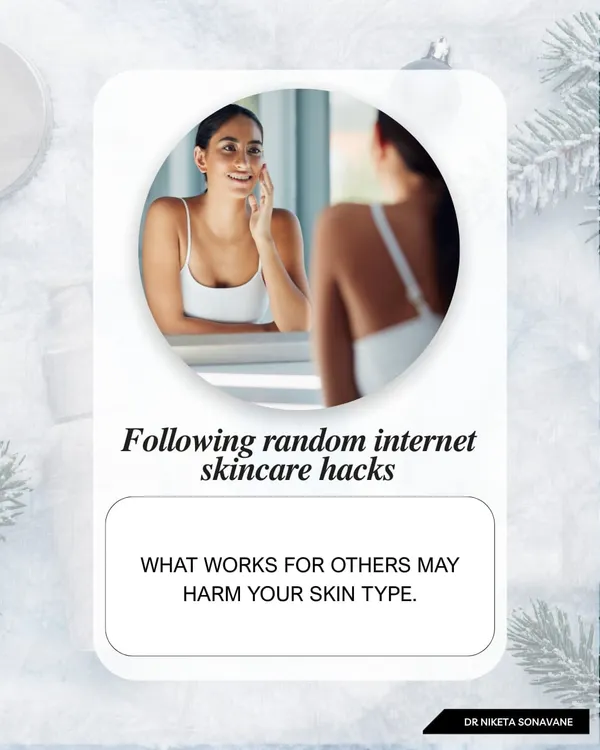
Social media is full of quick fixes and DIY hacks that often do more harm than good. I break down the science behind popular trends so you can stop guessing and start treating your skin right.
Putting lemon on your face is a popular DIY, but its high acidity can damage your skin's protective barrier, leading to irritation, burns, and hyperpigmentation. I explain why this is a risky hack and what you should use instead for safe skin brightening.
I'm rating viral beauty trends from a dermatologist's perspective. From skin icing and at-home LED masks to pimple patches, I give my honest score on what's worth the hype and what could be damaging your skin.
Do collagen powders and drinks really give you youthful skin? The science shows that your body breaks them down into amino acids, which may not go directly to your skin or hair. I explain what collagen supplements can and cannot do, so you can manage your expectations.
One of the most common fears I hear in my clinic is that chemical peels thin out the skin. This is a myth. When performed correctly by a professional, peels actually stimulate collagen and thicken the dermis over time.
It's not the chemical peel that thins your skin. The real culprits are things like unsupervised use of steroid creams, long-term misuse of strong actives, and incorrect DIY treatments. It's crucial to seek professional guidance.
Can you reverse grey hair with amla or dahi packs? Sorry, but that's not how science works. I explain the real causes of premature greying, like genetics and nutritional deficiencies, and why these viral videos give you unrealistic hope.
Does "natural" always mean safe? Not necessarily. Many natural products contain essential oils and fragrances that can cause allergic reactions. I discuss the difference between good and bad chemicals and why well-formulated products are often safer.
There is a lot of fear around sulfates in shampoos. Sulfates are what create lather to clean away dirt and oil. For most people, they are perfectly safe in the small amounts used in products. I explain when you might need a sulfate-free option.
Parabens have a bad reputation, but they are effective preservatives that keep your products free of harmful bacteria and mold. In the regulated, small quantities used in skincare, they are safe and essential for product stability.
Pimple patches can be very effective, but only for a specific type of acne. They work by absorbing pus from surface-level pimples. However, they don't treat the root cause of acne or work on deeper cysts.
About Truth vs. Trends: Busting Viral Myths
Before you try that next viral DIY recipe, consider this: many popular home hacks, like using lemon for brightening, actually disrupt your skin's pH balance and cause lasting hyperpigmentation. My goal isn't just to tell you 'no', but to explain the why so you can stop risking your skin barrier for temporary hype.
Why Science Beats Trends
Ye jo viral hacks hote hain na, they are designed for engagement, not for your skin. When you see someone on a screen applying lemon, chili, or harsh scrubs, remember that your skin is an organ, not a science experiment.
Common Myths I Regularly Debunk
- The Lemon Trap: Lemon is acidic (pH ~2), while your skin is naturally 4.5–5.5. Using it directly leads to irritation, burns, and sun sensitivity. It is a quick fix that causes long-term damage.
- The Collagen Question: Do gummies and powders give you youthful skin? Rarely. Your body digests collagen as amino acids, sending them where it needs them, not necessarily to your face. It is a support system, not a magic wand.
- The 'Natural' Fallacy: Just because something is 'natural' doesn't mean it’s safe. Essential oils and plant extracts are frequent causes of contact dermatitis. Chemicals, when formulated correctly by experts, are often safer and more stable.
- The Paraben Scare: Parabens are efficient preservatives that stop mold and bacteria in your products. If you are comfortable using ketchup (which is full of preservatives), your skincare products likely need them to stay safe for use, too.
My Approach to Your Care
I treat acne, hair loss, and pigmentation using clinical protocols, not social media trends. My clinic at Marine Lines and Juhu is a space for honest conversations. We won't just follow a checklist; we will look at your blood reports, your diet, and your lifestyle to find the root cause of what’s bothering you.
If you are tired of the guesswork and want a routine that actually works for your unique skin type, let's talk.
Similar work from other experts
Browse through Curated picks from other experts on mytribe
Debunking Viral Skincare Myths
Skincare Myths vs. Facts: The Truth Behind Viral Trends
Real Skincare Facts: Debunking Viral Myths
 18
18
Stop Guessing: Skincare Myths vs. Science-Backed Facts

Stop Following These Dangerous Skincare Myths
Skincare Science & Myth Busting in Mumbai
More from Dermatology & Trichology Consultation by Saloni Vora-Gala