A Dermatologist's Guide to Common Skin Concerns
Stop guessing with viral hacks. From acne and melasma to stubborn dark circles, your skin issues have a root cause that needs medical, not internet-based, attention. Let’s look at the facts and find the right treatment.
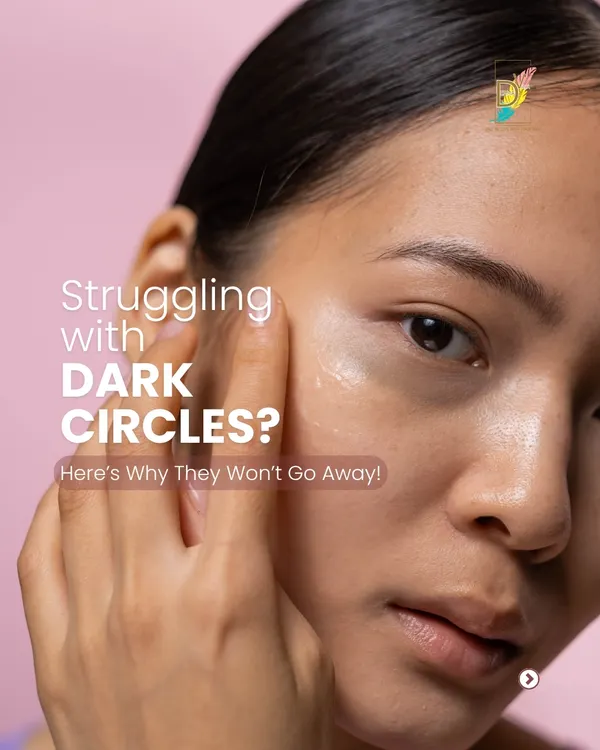
Not all dark circles are the same, which is why your eye cream might not be working. This guide helps you understand the different types of dark circles so you can find a treatment that addresses your specific under-eye concern.
Before you can treat your dark circles, you need to identify the cause. Is it pigmentation, thin skin, or something else? Let's break it down step-by-step to find the right solution for you.
The first step is to look at the color of your under-eyes in natural light. Are they brownish or greyish? The color provides a clue to the underlying cause, guiding us toward the correct treatment path.
If your dark circles are greyish or bluish, it's usually due to very thin under-eye skin where blood vessels are visible. This is not a pigmentation issue and requires treatments that improve skin quality and thickness, not bleaching creams.
Those dark patches might not be simple pigmentation; they could be melasma. This condition is triggered by sun, heat, and even hormones. I explain why DIY treatments don't work and how a dermatologist can help you manage it effectively.
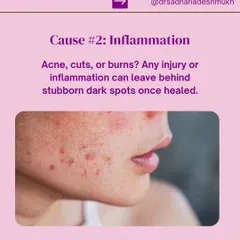
Sudden acne breakouts can be frustrating. I discuss the most common triggers, including hormonal changes from stress or menstruation, high-sugar diets, and using the wrong skincare or hair products that clog pores.
Those tiny white bumps, often around the eyes, are called milia. They are not pimples but small cysts of trapped keratin. I demonstrate how they are professionally and safely removed in a clinical setting, a procedure that should not be tried at home.
Underarm pigmentation is a common concern. In-clinic procedures like specialized chemical peels and lasers can significantly reduce darkness in this area. A dermatologist can determine the best treatment plan for you.
If you experience persistent redness and flushing, you might have Rosacea. While gentle skincare can help manage symptoms, medical treatments like prescription topicals and Intense Pulsed Light (IPL) therapy are often needed to control flare-ups effectively.
Those painful red bumps after shaving are often folliculitis. I provide a guide on how to prevent them by prepping your skin, using a sharp razor, shaving in the right direction, and soothing your skin afterward.
About A Dermatologist's Guide to Common Skin Concerns
Before you try another viral remedy, consider this: many patients arrive at my clinic with compromised skin barriers because they followed online advice that wasn't meant for their skin type. In my clinic, I start with dermoscopic analysis—not guesswork—to determine if your concern is pigmentary, vascular, or structural. This ensures we stop wasting money on products that don't match your diagnosis.
Skin health isn't about finding the perfect serum on Instagram. It is about understanding your biology. Whether you are dealing with persistent acne, melasma triggered by heat, or milia that won't go away, these conditions require specific, science-backed protocols rather than one-size-fits-all routines.
Why Diagnosis Matters
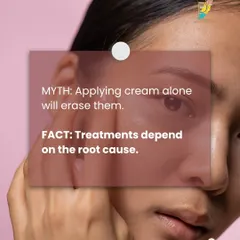
Common concerns are often misidentified. For instance, you might think you have pigmented dark circles, but dermoscopy could reveal the issue is actually thin skin or vascularity. Applying bleaching creams to thin skin won't help; it will only cause irritation.
Common Concerns We Treat
- Acne & Breakouts: We look at your stress levels, hormonal health, and diet. It is rarely just about washing your face.
- Melasma: This is not just 'dark spots.' It is sensitive to heat, light, and hormones. We manage it with medical-grade sunscreen and targeted clinical procedures, not DIY hacks.
- Milia: These tiny white bumps are keratin cysts. Trying to extract them at home can cause scarring. We remove them safely using sterile, in-clinic methods.
- Folliculitis: Those bumps after shaving are usually an infection, not just sensitive skin. We adjust your shaving technique and skin prep to stop the cycle.
The 'Wait and See' Approach
Sahi ilaaj (the right treatment) starts with honesty. I will always tell you if a treatment is risky or unnecessary. If you have been struggling with a skin issue that just isn't getting better, it is time to move past viral trends and start a routine designed specifically for your skin's health.
Similar work from other experts
Browse through Curated picks from other experts on mytribe
 6
6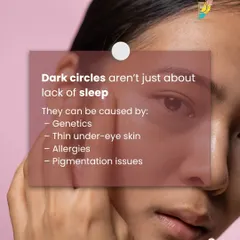
Expert Guidance for Your Unique Skin Concerns
Science-Backed Acne and Pigmentation Treatments
Acne, Pigmentation & Scarring: Science-Backed Treatments
Science-Backed Skin Health and Myth-Busting
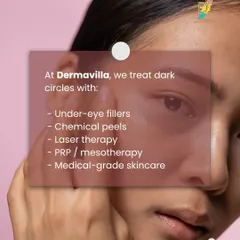
Targeted Skin Solutions for Acne, Pigmentation, and Dark Circles
 12
12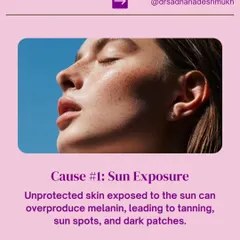

Expert Pigmentation and Melasma Treatment
More from Dermatology & Trichology Consultation by Saloni Vora-Gala