Building a Skincare Routine That Actually Works
Stop guessing with viral hacks. A proper routine isn't about having ten products—it's about having the right ones. Let’s build a plan that respects your skin barrier and delivers real, long-term health.
Choosing the right sunscreen can be confusing. I break down what to look for on the label, including SPF, PA rating, and broad-spectrum protection. I also explain the difference between gel, cream, and matte textures for different skin types.
Your moisturizer should match your skin type. This guide explains whether you need a lightweight gel for oily skin, a richer cream for dry skin, or a soothing formula for sensitive skin. Choosing the right one is key to a healthy skin barrier.
Are you confused by retinoids? I'm here to help with four simple rules to use them safely and effectively. Following these steps will help you get the anti-aging and acne-fighting benefits without the common side effects.
Rule number one for retinoids: use them only at night. Sunlight can degrade the active ingredient, making it less effective. Nighttime application allows the product to work while your skin is in its repair mode.
Rule number two for retinoids is to use only a pea-sized amount and follow it with a moisturizer. This helps prevent dryness and irritation. You can also try the "sandwich method" by applying moisturizer before and after the retinoid.
Rule number three for retinoids: wear sunscreen every single day. Retinoids can make your skin more sensitive to the sun, so protecting it with a high SPF is non-negotiable to prevent damage.
Rule number four for retinoids is to start slow. Begin with a low concentration just twice a week to allow your skin to build tolerance. This minimizes initial side effects like redness and peeling.
We all know sunscreen needs reapplication, but it can be tricky. I show you my methods for reapplying throughout the day, whether I'm at work or on the go, using sticks, powders, and sprays over my initial cream application.
Stop damaging your skin with harsh scrubs. The right way to exfoliate depends on your skin type. I explain how to choose the right chemical exfoliant, whether it's salicylic acid for acne or lactic acid for dry, dull skin.
Once you've chosen the right exfoliator, here are five simple steps to use it safely. This includes cleansing first, protecting sensitive areas, and following up with a hydrating moisturizer and sunscreen to keep your skin happy.
About Building Your Best Skincare Routine
A great routine starts with understanding your specific skin barrier, not copying someone else's 10-step process. In my clinic, we don't just pick products; we audit your lifestyle, check for ingredient conflicts, and map out a realistic, medical-grade regimen that you can actually stick to.
The Truth About Routines
Social media loves to push complex, 10-step routines that promise instant results. But here is the reality: your skin is an organ, not a science experiment. Overloading it with multiple active ingredients often leads to a compromised barrier, causing redness, irritation, and breakouts. Real improvement comes from consistency and the right diagnosis, not the latest viral trend.
The Three Pillars
My approach is built on three essentials that form the backbone of a healthy routine:
- Cleansing: The base of everything. We choose this based on your skin type—whether you need a gentle hydrating cleanser or something to manage acne-prone oiliness.
- Moisturizing: This isn't just for 'dry skin.' It is for protecting the barrier. We identify if you need a lightweight gel, a cream, or a barrier-repair balm.
- Sun Protection: This is non-negotiable. Whether you are in Marine Lines or Juhu, UV exposure is the biggest cause of aging and pigmentation. We find a texture (gel, cream, fluid) that you will actually enjoy wearing every single day.
When to Add Actives
Once the basics are solid, we introduce actives like retinoids, vitamin C, or exfoliating acids. But we do this slowly. We start low, build tolerance, and pair them correctly to avoid the 'over-exfoliation' damage I see too often in my clinic.
My Diagnostic Approach
When you book a consultation, we don't just guess. We look at your blood reports, your current product shelf, and your lifestyle. We identify which myths you've been following that might be hurting your skin. If you are ready to stop wasting money on products that don't work, let's look at your skin properly.
Similar work from other experts
Browse through Curated picks from other experts on mytribe
Building a Science-Backed Skincare Routine

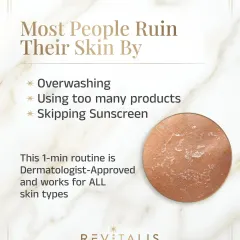
Your Personalised Skincare Routine


Your Daily Skincare Playbook
Build a Custom Skincare Routine with Expert Ingredient Advice
Your Daily Skincare Ritual: Expert Guide to Simple, Effective Care
Your Daily Skincare Blueprint
More from Dermatology & Trichology Consultation by Saloni Vora-Gala